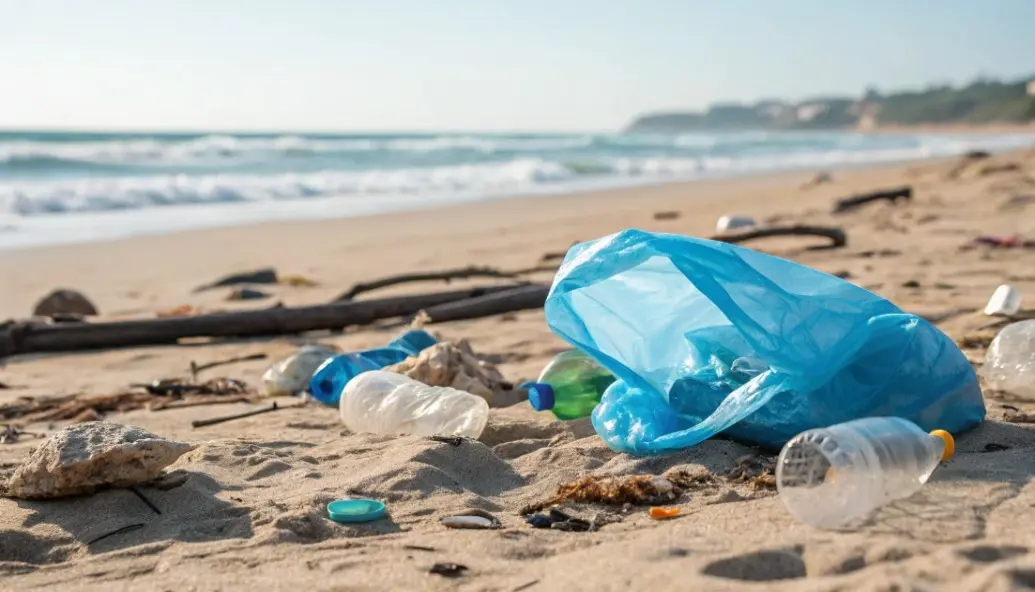
The initiative comes at a critical juncture for marine conservation, as recent data highlights a persistent and troubling rise in the volume of debris found along international shorelines. For Seatrium Offshore, a business deeply embedded in the development and maintenance of offshore renewable energy infrastructure, the health of the marine environment is not merely a matter of corporate social responsibility but a fundamental aspect of their operational landscape. The company’s leadership has emphasized that the same waters providing the foundation for the world’s transition to green energy are currently under siege from various forms of waste, much of which originates far inland before finding its way to the coast.
Colin Yaxley, the managing director of Seatrium Offshore Renewable Services, underscored the symbolic and practical importance of the dual-location cleanup. He noted that while the teams involved were separated by thousands of miles of ocean, the underlying mission remained identical. According to Yaxley, the geographical distance between the UK and Singapore branches does not diminish the common commitment shared by the workforce to protect coastlines and contribute positively to the local communities in which they operate. This sense of global solidarity is increasingly common in the energy sector, where multinational corporations are beginning to align their local environmental efforts with a broader, more cohesive corporate strategy.
The decision to involve staff directly in the physical removal of waste serves a dual purpose. Beyond the immediate benefit of clearing debris from the sand and shingle, it provides employees with a firsthand look at the scale of the pollution problem. Yaxley pointed out that as a business working specifically within the offshore renewable energy sector, Seatrium possesses an inherent understanding of the importance of the marine environment. The company’s day-to-day operations involve the installation of wind turbines and other renewable energy assets that rely on a stable and healthy sea. By giving their time to support coastal health, the staff are essentially protecting the very ecosystem that sustains their industry.
The scale of the challenge facing these volunteers is underscored by sobering statistics recently released regarding the state of British and Singaporean coastlines. In the United Kingdom, the latest beach litter figures for 2025 have revealed a stark reality for conservationists. On average, surveyors recorded 141 items of litter for every 100 meters of beach. This metric provides a clear indication of the density of pollution, suggesting that even in areas that appear clean to the casual observer, a significant amount of waste remains embedded in the shoreline. The 2025 data reflects an ongoing struggle to manage waste disposal and prevent the leakage of domestic and industrial materials into the sea.
Further analysis of the UK data reveals that the composition of this litter is overwhelmingly synthetic. In various studies, plastic has been identified as the primary pollutant, accounting for approximately 87% of all recorded litter on British beaches. This high percentage of plastic is particularly concerning for marine life and offshore operators alike, as plastic does not biodegrade but rather breaks down into microplastics that can enter the food chain or interfere with offshore equipment. The ubiquity of plastic waste—ranging from single-use packaging to discarded fishing gear—highlights the systemic nature of the pollution problem and the need for comprehensive waste management strategies that go beyond simple cleanup efforts.