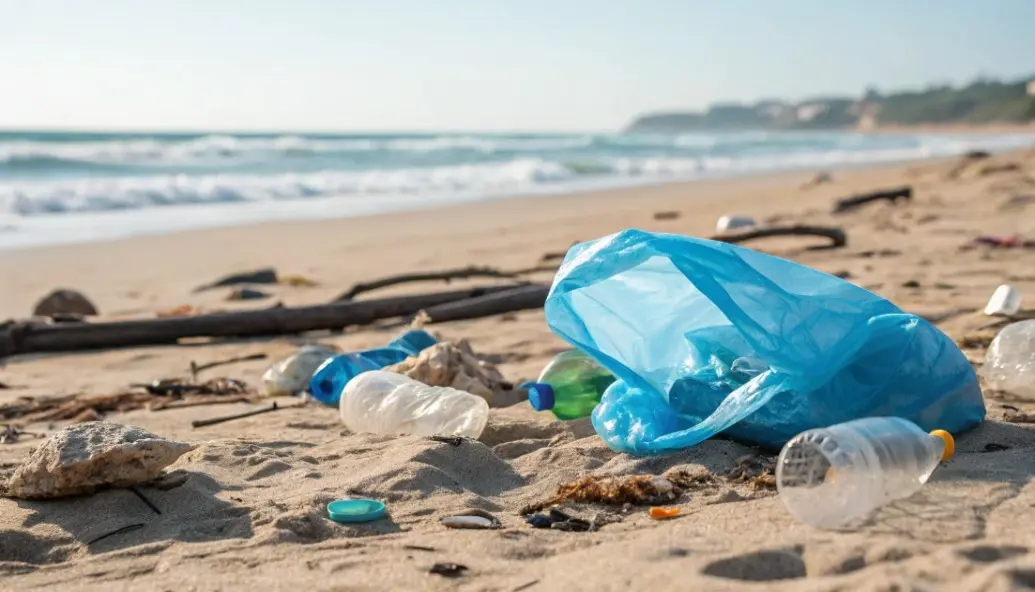
The situation in Singapore mirrors these findings, though the concentration of plastic waste is even more pronounced. A coastal study conducted in the city-state found that more than 90% of marine litter is comprised of plastic materials. As a major global maritime hub with high levels of coastal activity, Singapore faces unique challenges in managing the debris that washes up on its shores. The high density of shipping traffic and the proximity of urban centers to the coastline contribute to a constant influx of waste, making regular cleanup initiatives a necessity rather than an occasional luxury. The Seatrium staff in Singapore, working in tandem with their UK counterparts, focused their efforts on these plastic-heavy zones, removing significant volumes of material that would otherwise have continued to circulate in the regional waters.
This synchronized effort by Seatrium is part of a much larger movement within the global energy industry. As the world shifts toward more sustainable forms of power generation, the companies leading this transition are under increasing pressure to demonstrate their commitment to environmental health across all facets of their business. Seatrium is not alone in this endeavor; other major players in the energy landscape, including ExxonMobil, Cooec, and QatarEnergy, have also taken part in significant beach cleaning operations this year. This collective action suggests a growing industry-wide recognition that the "trash" problem is a shared burden that requires a collaborative response.
The involvement of these major energy firms reflects a broader societal and governmental crackdown on waste. In many jurisdictions, including the UK, there has been a renewed focus on "taking out the trash" through stricter regulations and more aggressive enforcement against waste criminals. Illegal dumping and the mismanagement of industrial waste have long contributed to the degradation of coastal environments. By participating in visible, community-focused cleanup events, companies like Seatrium are positioning themselves as allies to the government and the public in the fight against environmental crime. These initiatives serve as a reminder that while regulatory frameworks are essential, the voluntary participation of the private sector is equally vital in achieving long-term sustainability goals.
For Seatrium Offshore Renewable Services, the focus on the marine environment is also a practical necessity. The offshore renewable sector is one of the fastest-growing industries in the world, with massive investments being made in offshore wind farms, wave energy converters, and tidal power systems. These technologies are designed to coexist with the marine ecosystem, and their long-term viability depends on the health of that ecosystem. Debris and litter can pose significant risks to offshore operations, from fouling the cooling systems of support vessels to complicating the installation of subsea cables. By taking an active role in cleaning the coastlines, Seatrium is effectively conducting preventive maintenance on the environment that hosts its core business assets.
The parallel initiatives in the UK and Singapore also highlight the importance of corporate culture in driving environmental change. When staff members from different parts of the world engage in the same activity for the same cause, it fosters a sense of purpose that transcends national borders. This cultural alignment is particularly important for a company like Seatrium, which operates in diverse regulatory and social environments. The shared experience of removing plastic bottles, discarded nets, and industrial scraps from the shoreline creates a common language of conservation among the workforce, reinforcing the idea that the company’s mission is about more than just profit—it is about the responsible management of the planet’s resources.