Tokyo’s reputation as a global culinary capital is built upon the foundation of shokunin—craftspeople who dedicate their entire lives to the mastery of a single skill. In the kitchens of this sprawling metropolis, this obsession manifests in the pursuit of perfection: the exact second a piece of tempura reaches its peak crispness, the precise temperature of sushi rice to complement the oils of the fish, or the ideal depth of flavor in a bowl of ramen broth. This long-term commitment to detail has created a unique continuity within the city’s dining scene. While Tokyo is a center for cutting-edge innovation, many of its most revered establishments still serve the same staples—sushi, unagi, soba, and sukiyaki—that defined the city during the Edo period.
Navigating this massive dining metropolis can be daunting for visitors, especially given the city’s penchant for hidden, exclusive spots that require personal introductions. However, Tokyo offers a wealth of accessible, world-class experiences for those who know where to look. This curated guide, updated for October 2026, features recommendations from Yukari Sakamoto, a graduate of the French Culinary Institute, a certified sommelier, and a shochu advisor. Sakamoto, the author of Food Sake Tokyo, brings a local expert’s perspective to the city’s ever-evolving food scene, from historic "shinise" (centenarian) shops to modern Michelin-starred innovators.

The October 2026 update introduces several notable shifts in the landscape. These include the arrival of a new head chef at the world-renowned Sézanne, the opening of an elevated tea experience at Chokeikyo in Daikanyama, and the expansion of the city’s artisanal pizza offerings. Whether seeking a quick $10 meal or a multi-course $$$$ investment, the following 38 destinations represent the pinnacle of Tokyo’s gastronomic diversity.
Koffee Mameya Kakeru
Located in a spacious warehouse-style setting, Koffee Mameya Kakeru is the sophisticated sister shop to the original boutique in Omotesando. This destination treats coffee with the same reverence usually reserved for fine wine or high-end cocktails. The cafe specializes in coffee flights that explore the various expressions of a single bean, moving through pour-overs, espressos, and milk-based lattes to complex mocktails. The interior is minimalist and sleek, featuring a U-shaped limestone counter and staff who wear white lab coats and bowties, reinforcing the "laboratory" feel of the service. In the evenings, the menu expands to include spiked coffee cocktails. Due to its popularity, reservations are required.

Tanikoretani
In the Kiyosumi Shirakawa neighborhood, Tanikoretani offers a modern take on the traditional izakaya. Founded by Shinji Mizutani, a former architect based in New York City, and his brother Tomoji, the restaurant reflects a "hipster" sensibility with a deep focus on seasonal produce. While classic sake-friendly plates like karaage (fried chicken) and potato salad are available, the vegetables are the true stars. Standout dishes include mizu nasu (eggplant) sashimi, mountain vegetable tempura, and a unique "wafu" (Japanese-style) ratatouille. For the best experience, diners are encouraged to opt for the omakase menu, allowing the brothers to showcase the best ingredients of the day.
Yamariki

Yamariki is a "shinise" restaurant in Morishita with a history stretching back over a century. It is most famous for its nikomi (offal stew), which is widely considered one of the three best versions in Tokyo. The stew is a complex, slow-simmered blend of Hatcho miso, zarame sugar, red wine, and a traditional bouquet garni. Beyond the stew, the menu features a vibrant array of vegetable dishes, including tsukemono pickles and a hearty salad with anchovy dressing. Yamariki is also a destination for yakiton (grilled pork skewers), serving specialized cuts like heart, stomach, and skirt steak. While sake and shochu are staples, the restaurant maintains a curated wine list designed to pair specifically with its rich, savory cuisine.
Tsukishima Monja Street
For a more interactive and local experience, Tsukishima Monja Street is home to dozens of shops dedicated to monjayaki. A liquid-based relative of Osaka’s okonomiyaki, monja is a communal dish cooked by the diners themselves on a large iron griddle built into the table. Common fillings include mentaiko (spicy pollack roe), mochi, and cheese. The goal is to spread the batter thin until it becomes crispy on the bottom, a process facilitated by tiny metal spatulas. The street is particularly festive at night when it becomes a pedestrian-only zone, filled with the aroma of grilled batter and the sound of clinking beer mugs.

Taimeiken
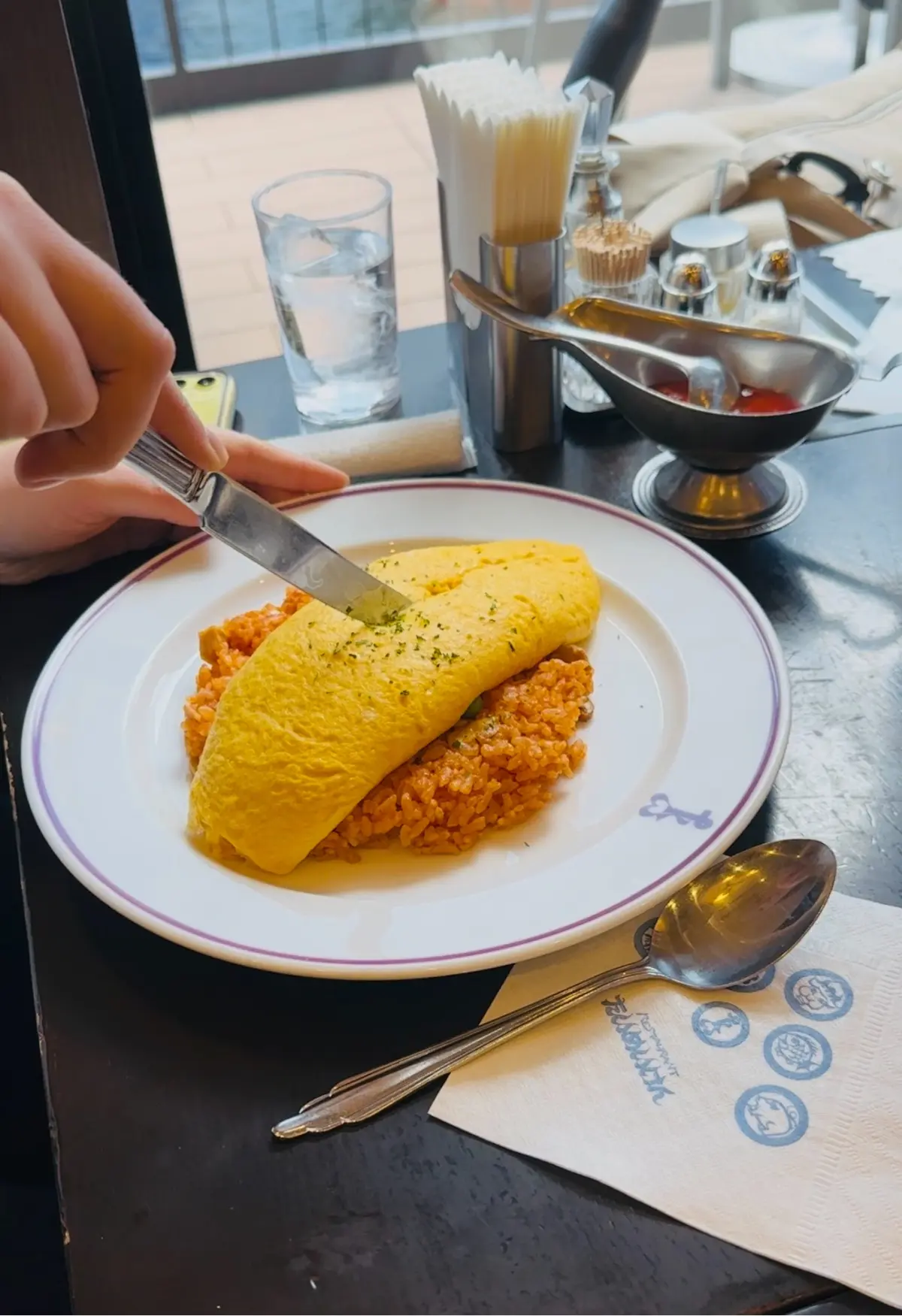
Located in the historic Nihonbashi district, Taimeiken is a landmark of "yoshoku"—Western-style dishes adapted for the Japanese palate. The restaurant gained cinematic fame through Juzo Itami’s film Tampopo, which featured a specific version of omurice: a soft, creamy omelet sliced open over a mound of ketchup-flavored fried rice. Today, third-generation chef Hiroshi Modegi continues this legacy. The first floor of the restaurant is a casual, walk-in-only space where diners can order small portions of borscht and coleslaw for a nominal fee, while the second floor offers a more formal, reservation-based dining experience.
Yamamoto Noriten

Yamamoto Noriten has been a specialist in nori (dried seaweed) since 1849. While it remains a premier retail shop, it has recently embraced the modern handroll trend by opening a dedicated temaki counter. Curated by Iron Chef Kimio Nonaga, the counter serves DIY handrolls featuring premium fillings like soy-marinated egg yolk, grilled eel, caviar, and tuna sashimi. A unique touch is the inclusion of a small brick of roasting charcoal in a wooden box, which keeps the nori warm and crisp until the moment it is consumed.
Il Ristorante – Niko Romito
Perched on the 40th floor of the Bvlgari Hotel Tokyo, this restaurant is a temple to contemporary Italian haute cuisine. Chef Mauro Aloisio emphasizes seasonal Japanese seafood, such as smoked longtooth grouper or amberjack sashimi, alongside Italian techniques. The dining room, characterized by carnelian orange tones and a vaulted ceiling, offers a dramatic setting for dishes like braised wagyu beef tongue. Because it is located within a luxury hotel, it is a reliable high-end option during national holidays when many independent restaurants are closed. For a more casual visit, the Bulgari Bar on the 45th floor serves artisanal pizza.

Sézanne
Recently under the leadership of Chef Steve Lancaster, Sézanne continues to be one of Tokyo’s most prestigious dining rooms. Lancaster brings experience from Singapore’s Michelin-starred Poise, where he spent years working with Japanese seafood. His French-leaning menu at the Four Seasons Hotel Tokyo at Marunouchi incorporates Japanese pantry staples like koji, mirin, and soy sauce. The meal is noted for its exceptional seafood—including uni, scallops, and monkfish liver—and a sophisticated beverage program that pairs fine wines with unique kijoshu (sweet) sakes.
Ekibenya Matsuri

Located inside the bustling Tokyo Station, Ekibenya Matsuri celebrates the Japanese tradition of the "ekiben"—the station bento box. The shop stocks approximately 170 different types of regional bentos from across the country. It offers a rare opportunity to sample regional flavors, such as Hokkaido seafood or Sendai beef tongue, without leaving the city. Some boxes even include a self-heating pull-string mechanism to ensure a hot meal during a shinkansen journey. The shop opens at 5:30 a.m., catering to travelers on the earliest trains.
Shabusen
Shabusen offers high-quality sukiyaki and shabu-shabu in a format that feels more like a casual diner than a formal banquet hall. Seated at a counter, each guest is provided with an individual hot pot to cook thinly sliced wagyu beef or pork and seasonal vegetables. The experience is defined by the quality of the meat and the house-made dipping sauces, including a rich sesame dressing and tart ponzu. The restaurant is also notable for its use of "mingei" (folk craft) tableware, adding a layer of traditional Japanese aesthetics to the meal.

Torigin Honten
Hidden in a narrow alley in Ginza, Torigin Honten is a specialist in two things: yakitori and kamameshi. The latter is a traditional dish of rice cooked with various ingredients—such as bamboo shoots, salmon, or mountain vegetables—in a personal iron pot. Their chicken skewers are grilled over Kishu bincho charcoal, providing a subtle smokiness that complements the savory rice pots. Despite its prime location, it maintains a classic, unpretentious atmosphere.
Est

At the Four Seasons Hotel Tokyo at Otemachi, Chef Guillaume Bracaval executes a contemporary French menu with a remarkable 95 percent of ingredients sourced locally from Japan. The Michelin-starred restaurant is particularly well-regarded for its vegetable-focused tasting menus, which serve as a masterclass in Japanese produce. Highlights include monkfish with house-made yuzu kosho and desserts by Michele Abbatemarco that utilize artisanal honeys from different Japanese prefectures. The wine list is a great resource for those looking to explore Japanese viticulture, featuring grapes like Koshu and Muscat Bailey A.