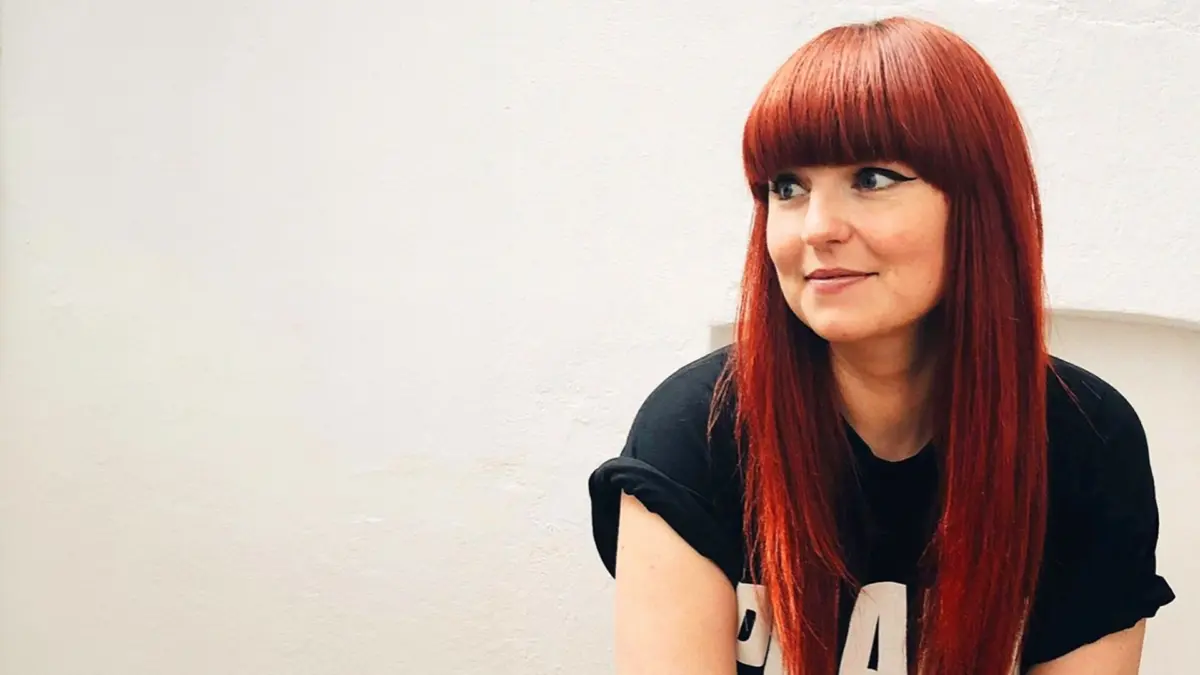
In the fast-paced world of global brand strategy, where the visual landscape is often dominated by polished minimalism and data-driven precision, Chloë Templeman stands as a champion for a more visceral, human-centric approach. As the Executive Creative Director at Pearlfisher, a renowned design agency that prides itself on creating "irresistible human connection," Templeman occupies a pivotal role in shaping how consumers interact with some of the world’s most recognizable names.
Originally hailing from Scotland, Templeman has spent nearly two decades at the heart of London’s competitive design scene. With 17 years of experience navigating the city’s top-tier agencies, her portfolio includes transformative work for heritage brands and multinational giants alike, ranging from the refined elegance of Fortnum & Mason to the expansive portfolios of Diageo and Unilever. Beyond her creative output, Templeman has established herself as a vital voice in the industry’s ongoing evolution, serving as a long-standing mentor dedicated to fostering the next generation of talent and advocating for a more equitable representation of women in creative leadership.
In a wide-ranging discussion as part of the "5 Questions" series, Templeman reflects on the shifting aesthetics of modern design, the psychological hurdles of professional growth, and why the creative mind never truly finds a "power off" switch.
The Allure of the Imperfect: Embracing Anti-Design
In an era where digital tools allow for surgical precision in layout and typography, there is a growing counter-movement that rejects the "clean" aesthetic in favor of something far more chaotic. When asked about the design trends or "ugly" objects she secretly admires, Templeman points toward the deliberate "so bad it’s good" movement—a style often categorized as "anti-design."
"I’m increasingly drawn to the deliberate ‘so bad it’s good’ design trend," Templeman explains. "I am seeing a resurgence of anti-design, clumsy typography, clashing color palettes, bad font choices, and layouts that break every traditional rule until they somehow right themselves again."
This aesthetic is more than just a rejection of modern standards; for Templeman, it is a deeply nostalgic journey. It evokes the early days of digital experimentation, characterized by the lo-fi graphics and "cringeworthy" clip art of the 1990s. For a generation that grew up "blindly tinkering on MS Paint" at the age of ten, these visual cues carry a unique emotional weight.
However, Templeman notes that executing "intentional chaos" is significantly more difficult than it appears. To push a design until it loops back from "objectively bad" to "iconic" requires a masterful understanding of the rules being broken. "There’s a real charm in this intentional chaos that makes me smile," she says. "By pushing objectively bad design until it loops back to being iconic, it injects a much-needed playfulness into the landscape. It requires a masterful touch, and the right context and application to communicate the intended message. But when done well, it’s the ultimate nostalgic guilty pleasure."
Navigating the Psychological Toll of Leadership
Despite her high-profile successes, Templeman is candid about the internal challenges that accompany a rise through the professional ranks. Imposter syndrome—the persistent inability to believe that one’s success is deserved or has been legitimately achieved—is a common hurdle in the creative industries, particularly for women.