As the morning mist settles over kitchens across the globe, a familiar ritual unfolds for millions. For some, it is a utilitarian necessity; for others, it is a moment of quiet contemplation. Today, however, that ritual carries a bit more weight. If you find yourself reaching for a second cup, you are in good company, as today marks the official celebration of International Coffee Day. Established to honor the "diversity, dedication, and passion" of the global coffee sector, the occasion serves as more than just a reason to indulge in a favorite brew. According to the International Coffee Organisation (ICO), October 1st signifies the official start of the "coffee year," a calendar designation that aligns with the harvest cycles in major coffee-producing nations—a fact that remains a piece of trivia even for many dedicated enthusiasts.
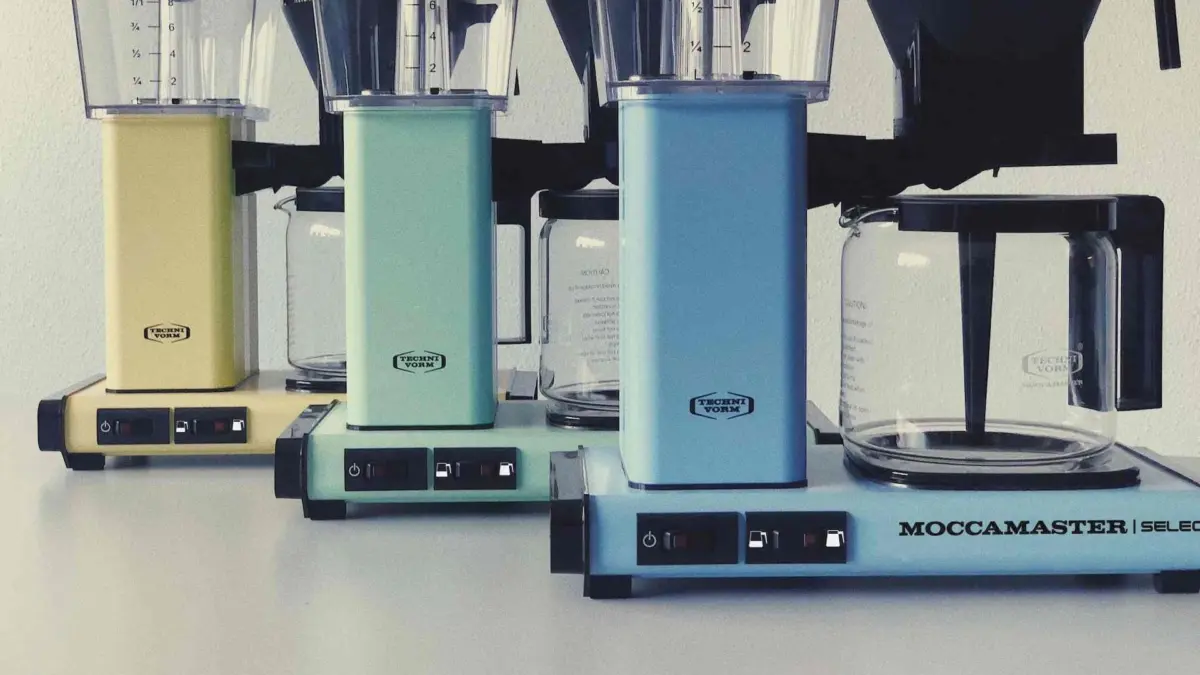
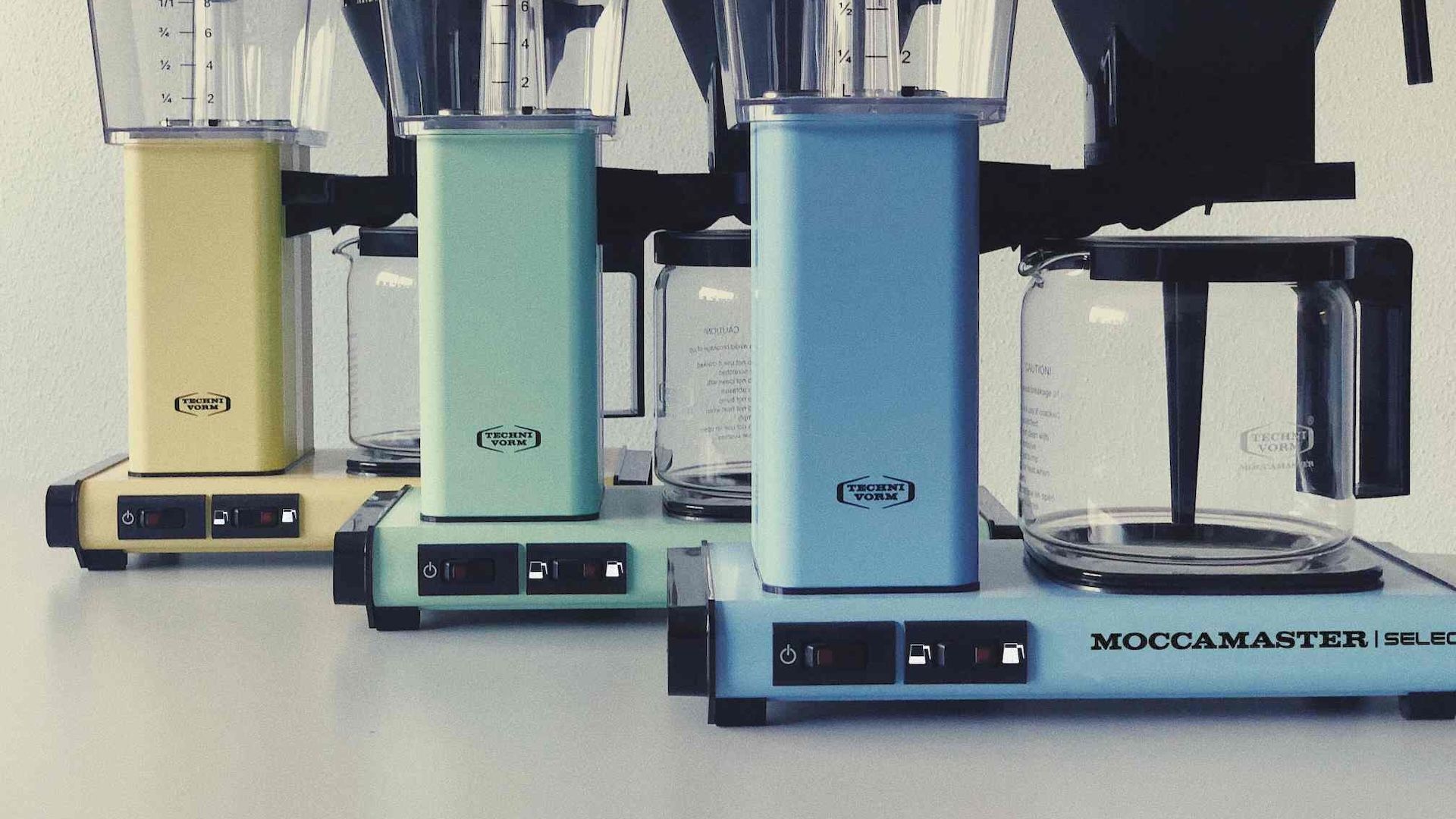
To mark this global celebration, the design world is turning its attention to a piece of hardware that has defined the intersection of form and function for half a century: the Technivorm Moccamaster KBG. While the coffee industry is often driven by the "next big thing"—from smart-connected espresso machines to vacuum-sealed extraction chambers—the Moccamaster remains a steadfast icon of analog perfection. It is a product that has not only survived the shifting tides of kitchen aesthetics but has thrived by remaining largely unchanged since its inception.
The story of the Moccamaster is one of regional craftsmanship and a singular vision. Since 1968, these filter coffee machines and their accompanying grinders have been handmade by Technivorm in Amerongen, a picturesque town in the Netherlands. The factory, founded by industrial designer and engineer Gerard Clement Smit, was built on the philosophy that a product should be durable, reliable, and sustainable. In an era long before "right to repair" became a legislative talking point, Smit was designing machines that were intended to last a lifetime, utilizing high-quality, recyclable materials and a modular construction that allowed for easy servicing.
The lineage of the current flagship model, the KBG, traces back to 1974. Upon its introduction, the machine represented a radical departure from the flimsy, plastic drip brewers that were beginning to dominate the mid-century market. The KBG was substantial, featuring a distinctive architectural silhouette and a commitment to thermal precision that was previously reserved for commercial-grade equipment. Its launch was so successful and the subsequent demand so overwhelming that the Technivorm factory eventually made the strategic decision to narrow its focus almost exclusively to the production of Moccamaster brewers. This specialization allowed the company to refine its manufacturing process, ensuring that every unit leaving the Amerongen facility met the exacting standards of its founder.
What makes the Moccamaster the "Rolls-Royce" of coffee makers is not merely its longevity, but its unwavering commitment to the science of extraction. While many modern consumers are drawn to the machine for its retro-cool aesthetic, its reputation among professional baristas is rooted in its internal components. At the heart of the machine is a heavy-duty copper boiling element. This is a critical distinction from the cheaper aluminum heating elements found in most household brewers. The copper element ensures that the water reaches the precise temperature required for optimal extraction—between 92°C and 96°C (198°F – 205°F)—and maintains that temperature throughout the entire brewing cycle.