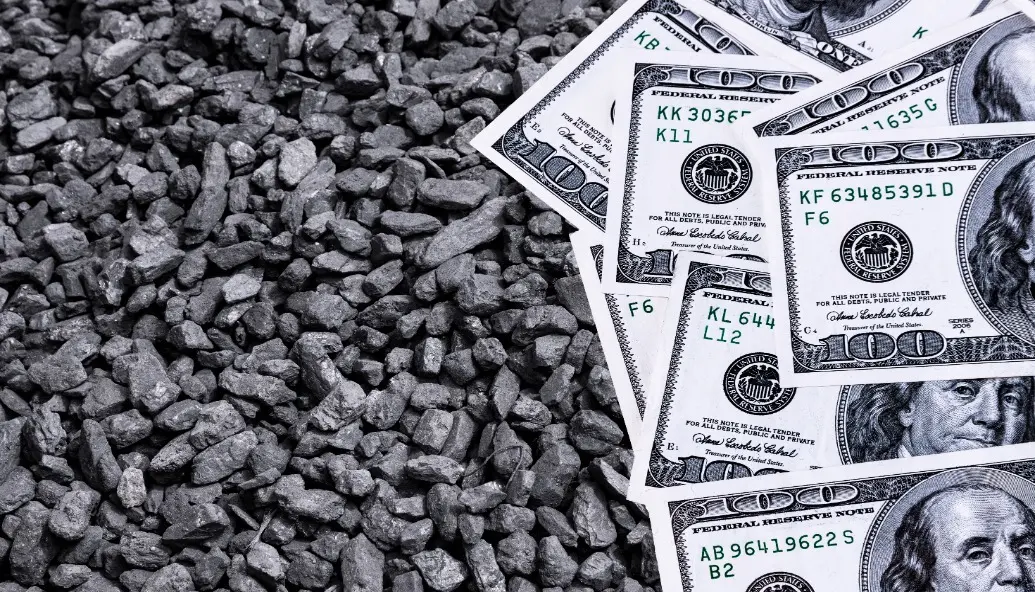
In a move that has sent shockwaves through the international community and domestic environmental circles, the Trump Administration has formally announced its intention to eliminate existing limits on carbon emissions from coal and gas-fired power plants. The decision, which marks a fundamental shift in the nation’s approach to climate change and energy production, comes at a time when the United States is grappling with its own internal contradictions regarding environmental policy. Despite the country currently holding the position of the world’s second-largest emitter of greenhouse gases and recently enduring its hottest summer on record, the federal government is moving to dismantle the regulatory framework designed to curb the very pollutants contributing to global temperature rises. According to reports from The Guardian and other international outlets, this policy shift represents a complete reversal of the 2024 carbon pollution standards, signaling a new era of deregulation aimed at revitalizing the traditional energy sector at the expense of established climate goals.
Lee Zeldin, serving as the 17th Administrator of the Environmental Protection Agency (EPA), unveiled the sweeping reversal on Monday, framing the decision primarily as an economic victory for the American consumer. In his official remarks, Zeldin emphasized the administration’s commitment to lowering the cost of living by targeting the energy sector. He asserted that Americans will see a significant decrease in electricity prices as a direct result of these changes, though he noted that the removal of these specific carbon standards is "just the beginning" of a broader effort to overhaul federal environmental oversight. The announcement was met with immediate praise from certain segments of the industrial sector but sparked intense criticism from scientists, health advocates, and former government officials who argue that the long-term costs of increased pollution will far outweigh any short-term savings on utility bills.
Central to this policy shift is a radical reinterpretation of the EPA’s own authority. The agency stated that it will effectively strip itself of the ability to regulate greenhouse gas emissions from power plants under the Clean Air Act. This move is based on a new and highly controversial internal determination that such emissions have "no material impact on global climate change." This stance represents a departure from decades of scientific consensus and previous agency findings which had established a direct link between industrial carbon output and the warming of the planet. By asserting that power plant emissions are essentially negligible in the global context, the EPA is attempting to insulate itself from legal requirements that would otherwise compel it to limit carbon dioxide and other heat-trapping gases. However, this assertion has been met with significant skepticism, with many industry professionals and climate scientists begging to differ, pointing to the cumulative effect of the power sector’s massive carbon footprint.
The reaction from former environmental leaders has been swift and unsparing. Gina McCarthy, who served as the Administrator of the EPA under the Obama Administration and has been a vocal advocate for climate action, characterized the move as a betrayal of the agency’s core mission. McCarthy noted that every American deserves to breathe clean air, but argued that time and again, the current administration is giving a green light to more pollution at the direct expense of public health. Her concerns were echoed by Nathaniel Keohane, the president of the Center for Climate and Energy Solutions, who described the administration’s decision as a "giant step backward." Keohane and other critics argue that by abdicating its role as a regulator, the EPA is not only ignoring the reality of the climate crisis but is also putting the United States at a competitive disadvantage in a global economy that is increasingly shifting toward cleaner energy sources.
The timing of the announcement is particularly poignant given the recent trajectory of American emissions. Data from the Energy Information Administration reveals that U.S. power sector emissions rose by 4% last year, a trend that environmentalists say will only accelerate in the absence of federal limits. While the administration views this increase as a sign of industrial growth and energy independence, climate advocates see it as a dangerous escalation of the country’s contribution to global warming. The United States’ status as the second-largest greenhouse gas emitter in the world places a unique spotlight on its domestic policies, and the decision to abandon carbon limits has raised questions about the nation’s commitment to international climate agreements and its relationship with global partners who are still striving to meet aggressive reduction targets.