To address this escalating challenge, the Digital Health in the Circular Economy (DiCE) project has concluded a comprehensive four-year research initiative. The project’s primary objective was to develop a viable blueprint for a circular healthcare system—a framework designed to ensure that medical products, their intricate components, and the raw materials they contain are kept in use for as long as possible. By shifting away from the traditional "take-make-dispose" linear model, the DiCE project seeks to align the burgeoning digital health sector with global sustainability goals. The research took an exhaustive look at the entire lifecycle of digital healthcare products, beginning at the earliest stages of design and manufacturing and extending through the complexities of collection, refurbishment, reuse, and high-quality recycling.
One of the most significant barriers identified by the researchers is the current regulatory and safety classification of medical devices. Under existing protocols, many electronic medical devices are categorized as hazardous healthcare waste once they have been used. This classification is primarily driven by concerns over biological contamination and the need to maintain strict hygiene standards in clinical environments. However, this designation often mandates that the devices be incinerated to eliminate any potential health risks. While this process ensures patient and public safety, it makes the recovery of sophisticated electronics and precious metals nearly impossible. The DiCE project highlights that this tension between clinical safety and environmental sustainability is a critical hurdle that must be cleared if the industry is to reduce its ecological footprint.
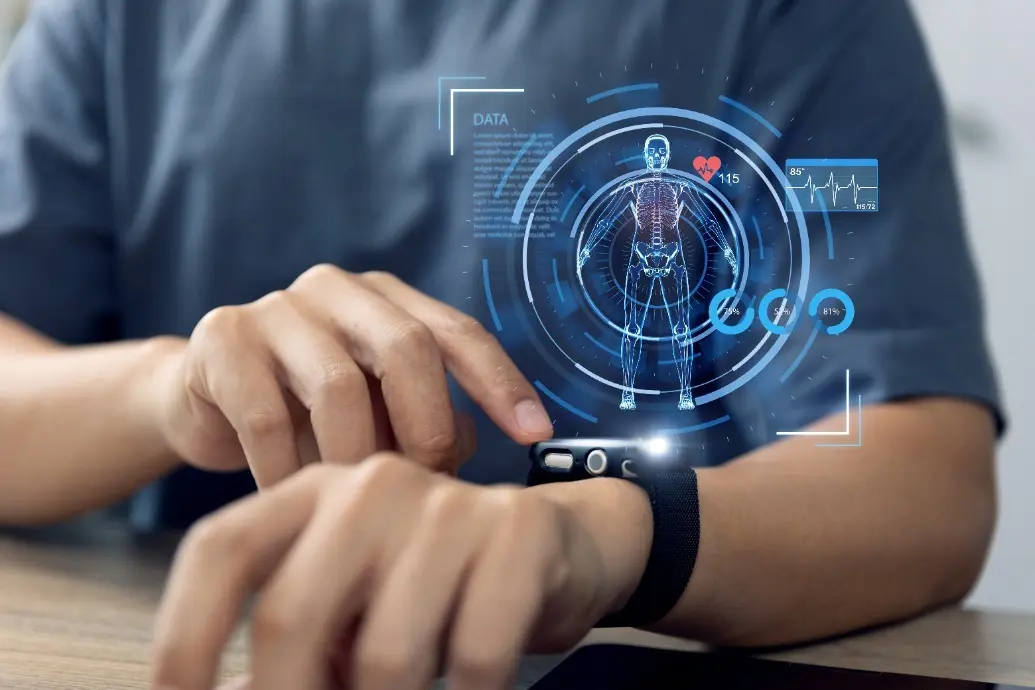
The scale of the e-waste problem is already substantial, but projections suggest it is poised to worsen dramatically as the world embraces "connected health." The study noted that in 2020 alone, approximately 83 million wearable medical devices were introduced to the European market. These include everything from heart rate monitors and glucose sensors to sophisticated smart patches that track patient vitals in real-time. When looking at the global landscape, the trajectory is even more concerning. If current market trends and consumption patterns continue, annual sales are expected to approach two billion devices by the year 2050. This exponential growth reflects a fundamental shift in how medicine is practiced, moving away from intermittent hospital visits toward continuous, data-driven monitoring. Without a systemic change in how these devices are managed at the end of their life, the volume of medical e-waste could become unmanageable.