
For landscape photographers, the arrival of autumn in the Northeastern United States represents one of the most exhilarating yet demanding windows of the year. It is a season defined by an explosion of color, but also by its frustratingly brief duration. After twenty years of navigating these fleeting weeks, veteran photographer Kate Garibaldi has distilled two decades of field experience into a comprehensive philosophy designed to help photographers move beyond simple snapshots and toward a more diverse, professional portfolio.
The challenge of autumn photography, according to Garibaldi, lies in the paradox of its abundance. When the landscape is saturated with vibrant reds, oranges, and yellows, it is easy for a photographer to become overwhelmed, returning from a shoot with hundreds of images that essentially document the same scene from slightly different angles. Garibaldi argues that the most successful seasons are not defined by finding the "perfect" peak color, but by the intentionality of the photographer’s approach and their ability to see past the obvious.
The Strategic Value of a Seasonal Shot List
One of the primary lessons Garibaldi emphasizes is the necessity of a structured plan, which she formalizes through a seasonal "shot list." In a professional context, this list does not serve as a rigid set of instructions, but rather as a roadmap to ensure portfolio diversity. Because the window for peak color can fluctuate wildly based on local weather patterns—sometimes lasting only a few days before a windstorm strips the canopy—having a pre-defined set of objectives prevents the aimless wandering that often consumes precious light.
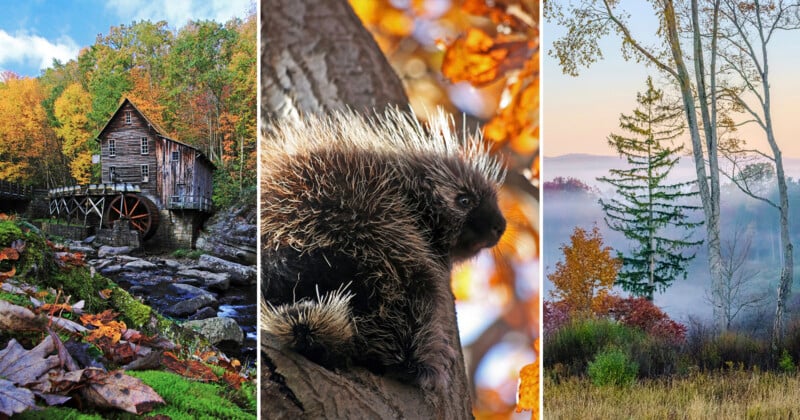
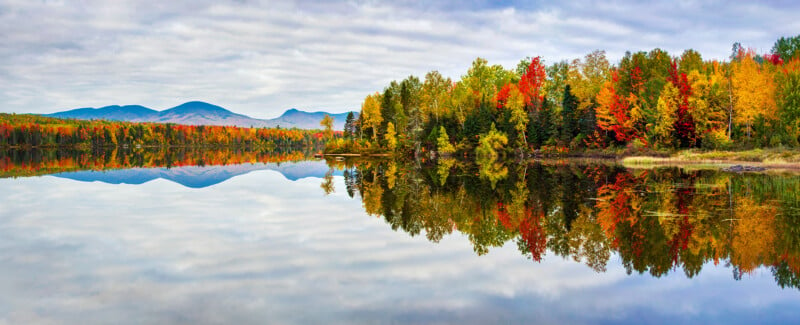
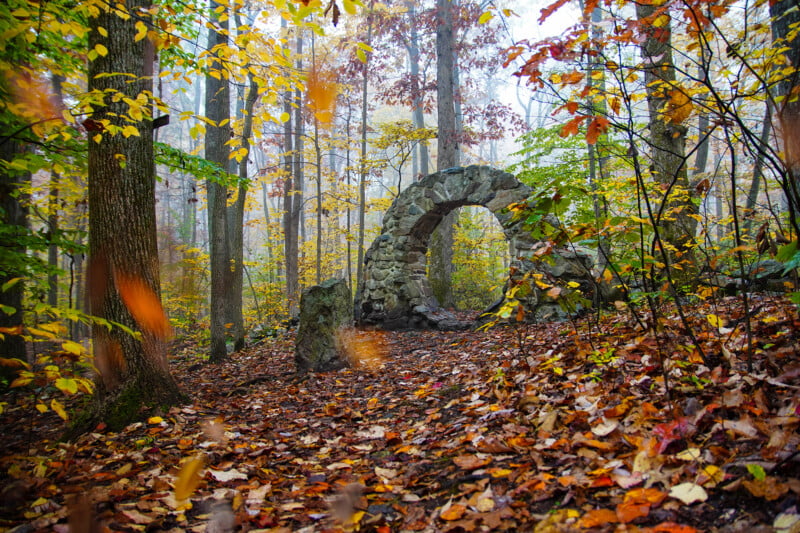
Garibaldi’s approach involves categorizing potential images before she even leaves the house. Her list typically includes a wide spectrum of perspectives: macro studies of individual leaves, long-exposure waterfall compositions using rocks as leading lines, expansive panoramic vistas, and architectural elements like weathered barns or historic covered bridges that ground the foliage in a sense of place. By keeping these categories in mind, she ensures that her body of work from a single season feels like a complete narrative of the landscape rather than a repetitive collection of forest views.
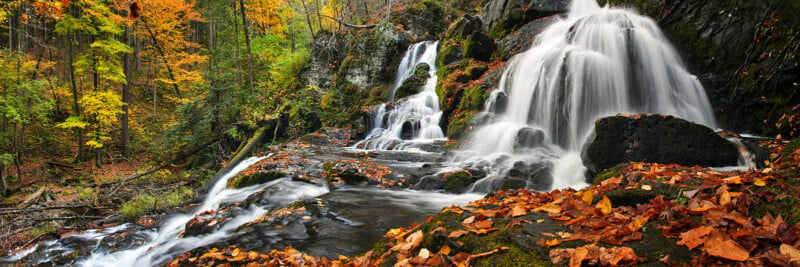
This strategy also includes a focus on the "micro-landscape." While most photographers are drawn to the sweeping hillsides, Garibaldi looks for the quiet contrasts found in moss, mushrooms, and bark. These elements provide a textural counterpoint to the high-key colors of the canopy. Wildlife also plays a critical role in her seasonal planning. Whether capturing a tight portrait of an animal framed by autumn leaves or using a telephoto lens to place a subject within a vast environmental scene, she seeks to integrate the fauna of the Northeast into the broader seasonal story.
Synchronizing Photography with Meteorological Shifts
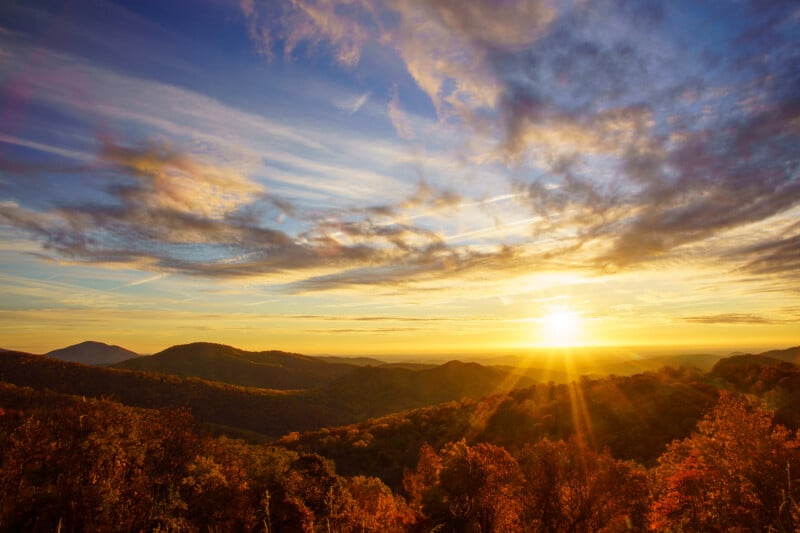
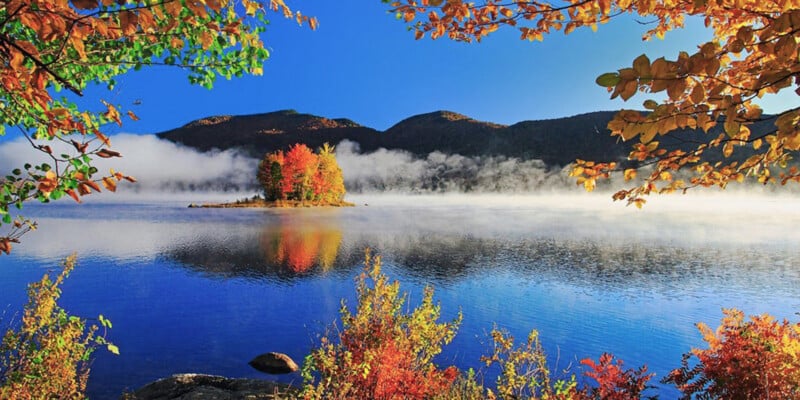
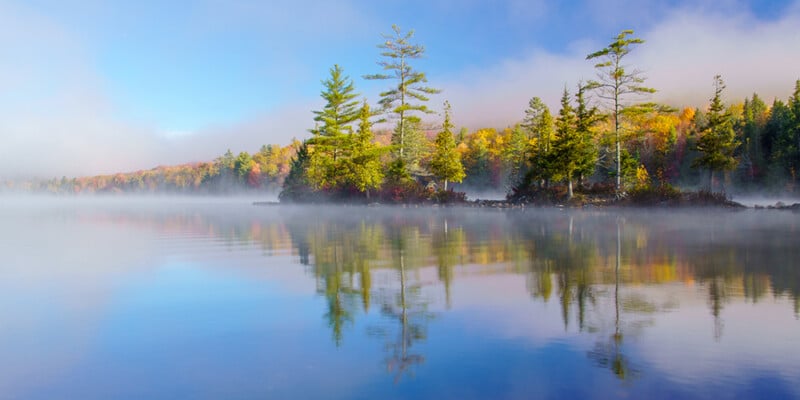
A significant portion of Garibaldi’s success over the last twenty years can be attributed to her nuanced understanding of how weather and light interact with autumn colors. Rather than viewing "bad weather" as a deterrent, she uses the forecast to dictate which item on her shot list she will pursue on any given day.