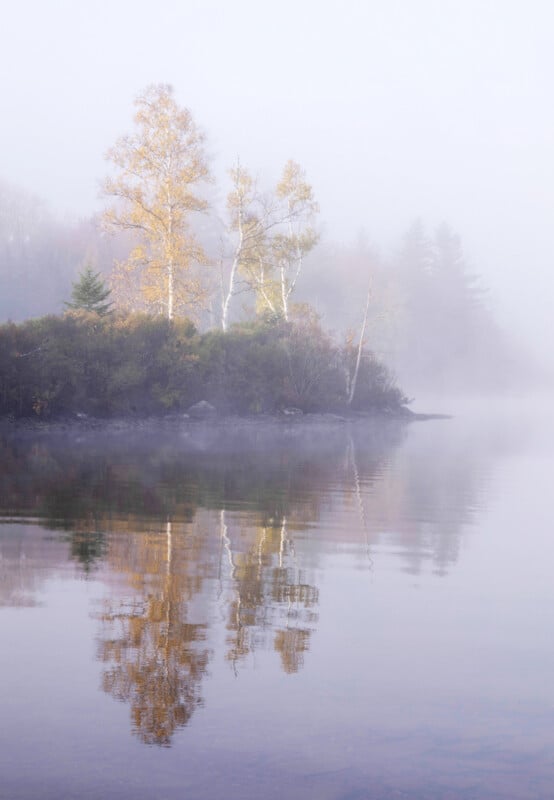
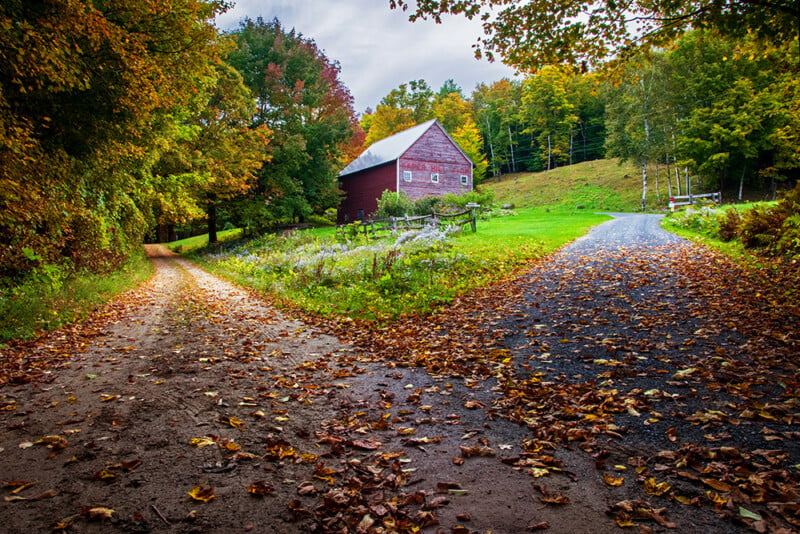
Overcast conditions, often dismissed by casual observers, are among Garibaldi’s favorite environments for specific types of work. She describes a cloudy sky as a "giant softbox" that eliminates the harsh, localized highlights and deep shadows that can ruin a forest composition. Under this diffused light, the saturation of autumn leaves is often more accurately rendered by the camera sensor, making it the ideal time for macro photography and forest interior shots.
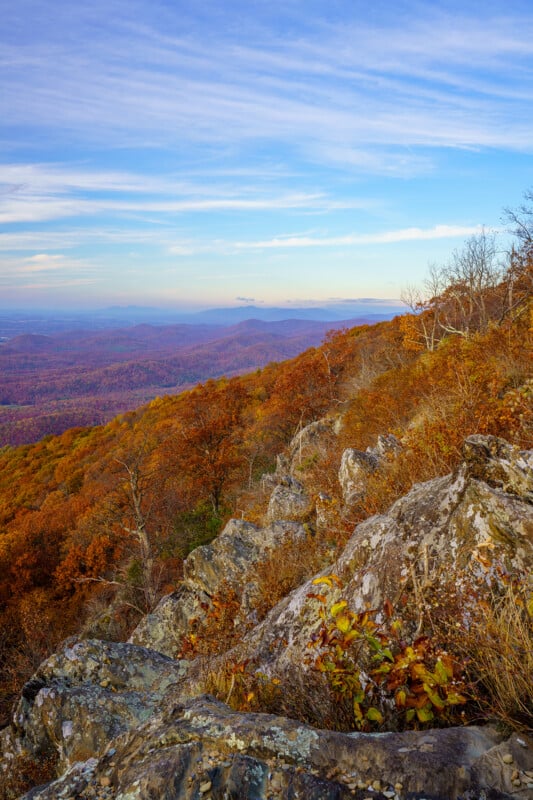
Rain, too, is a powerful tool in the professional landscape photographer’s kit. Garibaldi notes that the day or two following a significant rainfall is the optimal time for waterfall photography. Not only is the water flow more dramatic, but the moisture saturates the colors of moss and rocks, creating a deep, rich palette that is impossible to replicate in dry conditions. Conversely, she reserves her trips to mountain overlooks and panoramic vistas for days with partly cloudy skies during the "golden hours" of sunrise and sunset. This provides the necessary depth and texture in the sky to complement the complex colors of the valley below.
The Trap of the Iconic View
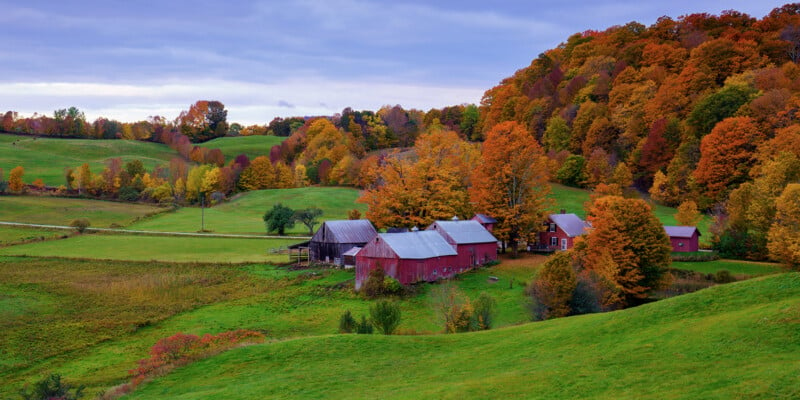
A common pitfall for photographers during the autumn season is the "famous view" trap. Garibaldi acknowledges that there is nothing inherently wrong with capturing an iconic location—these spots are popular for a reason—but she warns that stopping there often leads to a derivative portfolio. Her method involves "working the scene" far beyond the initial, obvious composition.
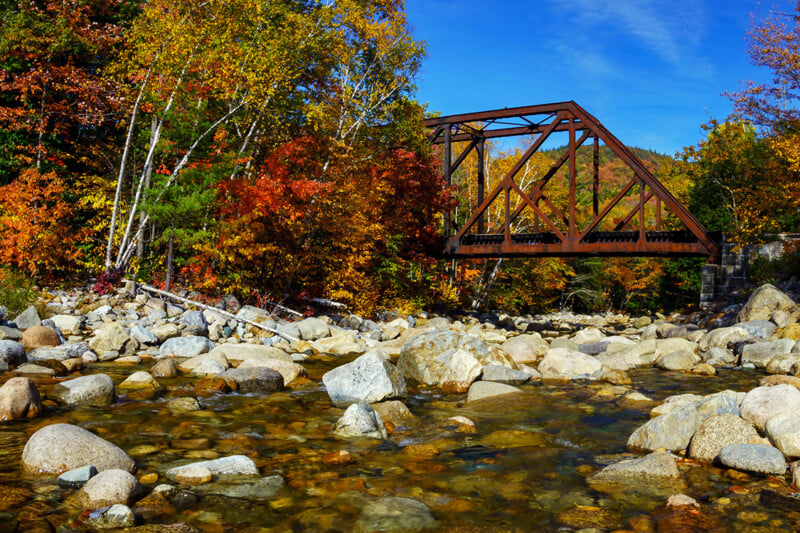
When standing at a popular overlook, Garibaldi will take the "tourist shot" to get it out of her system, but then she immediately begins looking for what everyone else is missing. This might mean switching to a telephoto lens to isolate a single, exceptionally vibrant tree on a distant ridge, or finding a trail that leads into the woods to discover how the light filters through the understory. By changing her physical position—getting lower to the ground or walking a few hundred yards away from the designated viewing area—she often finds intimate compositions that tell a more personal story of the location.
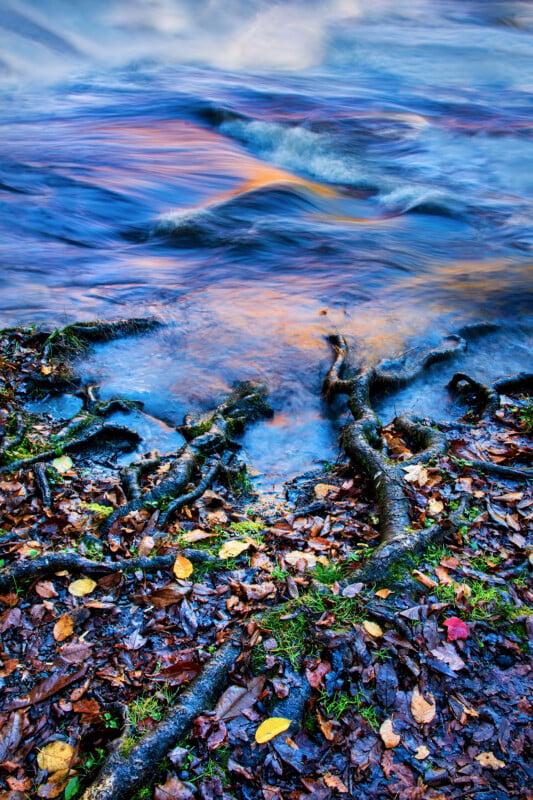
Technical Versatility Through Lens Selection

Garibaldi views lens selection as more than a technical necessity; she sees it as a way to force a psychological shift in how she perceives the environment. It is easy to rely on a single versatile zoom lens, but she argues that physically changing glass requires the photographer to reset their vision.

When she moves from a wide-angle lens, used for sweeping landscapes with strong foreground elements, to a telephoto lens, the landscape is compressed. This compression allows her to stack ridges of color on top of one another, turning a three-dimensional mountain range into an abstract series of overlapping bands. When she switches again to a macro lens, the entire scale of her work changes. A single red leaf resting on a bed of green moss becomes a study in color theory and texture. This constant shifting of focal lengths ensures that her final collection of images offers the viewer a variety of scales and emotional registers.