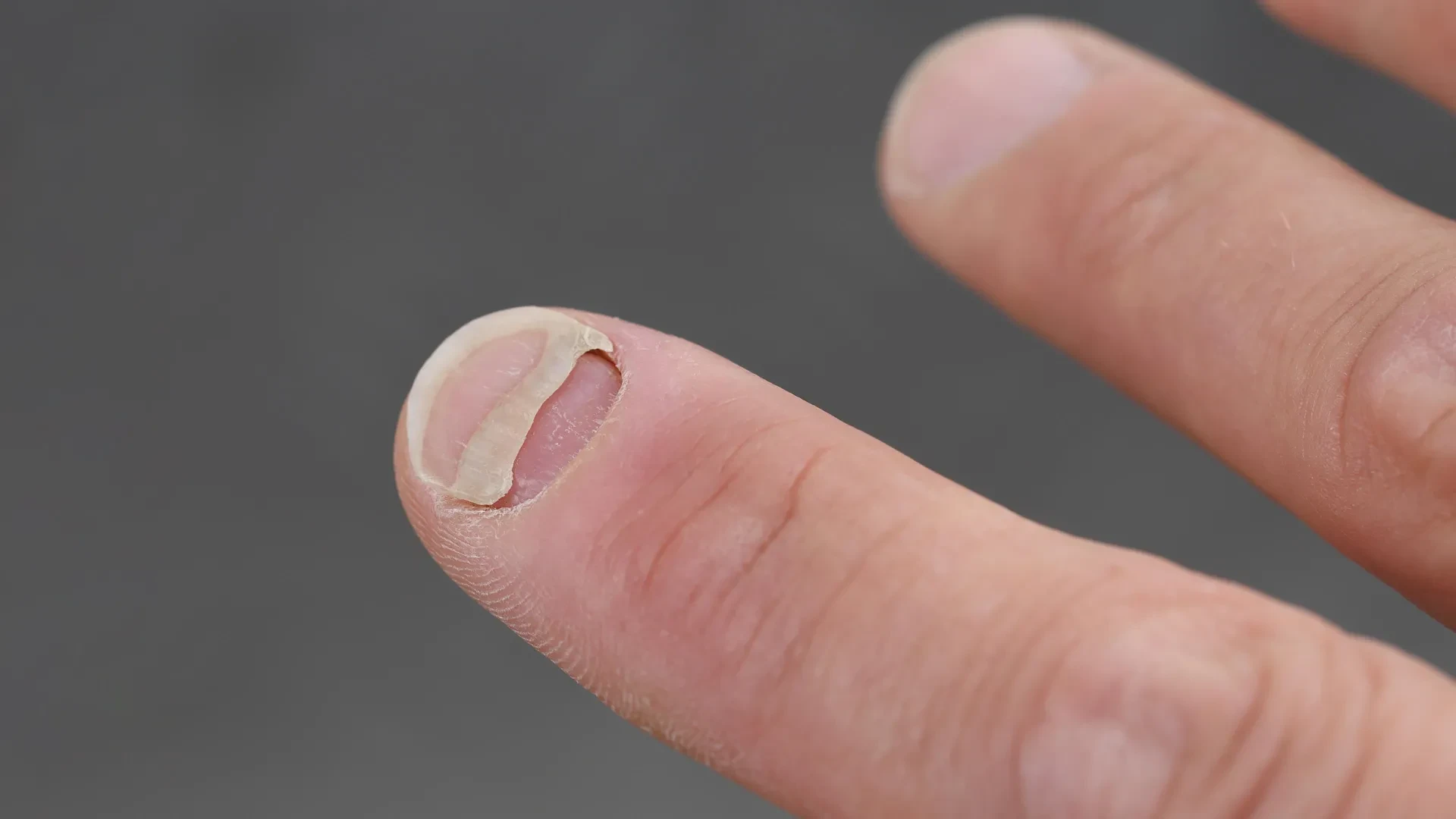
The rapid ascent of GLP-1 receptor agonists has transformed the landscape of modern medicine, offering unprecedented efficacy in the management of type 2 diabetes and chronic obesity. Medications such as Ozempic, Wegovy, Mounjaro, Zepbound, Victoza, and Trulicity have become household names, praised for their ability to regulate blood sugar and suppress appetite by mimicking natural metabolic hormones. However, as millions of patients adopt these therapies, the medical community is gaining a clearer picture of their broader physiological impacts. A landmark multinational study has now identified a significant and unexpected correlation between the use of these drugs and various dermatological issues, most notably a condition known as nail detachment.
Presented at the European Academy of Dermatology and Venereology (EADV) Congress 2026, the research provides the first controlled look into how GLP-1 medications may influence nail, hair, and scalp health. The findings suggest that patients utilizing these treatments are more than four times as likely to experience onycholysis—the medical term for the separation of the fingernail from the underlying skin—compared to those not taking the drugs. These results have sparked new questions regarding the systemic effects of GLP-1 therapies beyond their intended metabolic functions.
Unexpected Nail Problems Among GLP-1 Users
For several years, reports of brittle nails or changes in nail texture among those taking GLP-1 medications remained largely anecdotal. Patients often shared their experiences in online forums or reported them to their primary care physicians, but without a large-scale, controlled study, it was difficult to determine if these issues were a direct result of the medication, a byproduct of rapid weight loss, or simply a coincidence.
To address this gap in clinical knowledge, a team of researchers conducted a comprehensive investigation involving 575 individuals currently prescribed GLP-1 medications. This group was compared against a control group of 1,329 individuals who suffered from obesity or type 2 diabetes but had no history of using GLP-1 drugs. To ensure the findings were globally relevant, the study recruited participants from a diverse range of geographical and cultural backgrounds, including France, the United States, Brazil, and Mexico.
The data revealed a stark contrast between the two groups. Among the GLP-1 users, 39% reported experiencing nail detachment, a figure that plummeted to just 9% in the control group. Furthermore, the prevalence of general nail disorders was notably higher in the medication group; 66% of GLP-1 users reported at least one type of nail abnormality, compared to 53% of non-users. Nail discoloration, another common complaint, was found in 46% of those taking the medications, whereas only 17% of the control group reported similar issues.
These statistics indicate that while nail problems are not uncommon among populations with metabolic disorders, the use of GLP-1 receptor agonists appears to significantly exacerbate or trigger these conditions. The four-fold increase in nail detachment, in particular, represents a clinical finding that researchers believe warrants closer attention from both dermatologists and prescribing physicians.
Weight Loss Alone May Not Explain the Nail Changes
One of the primary challenges in evaluating the side effects of GLP-1 medications is isolating the effects of the drug from the effects of the weight loss it induces. It is well-documented in medical literature that rapid changes in body mass can lead to physiological stress, which often manifests in the hair and nails. Nutritional deficiencies, which can sometimes accompany a significant reduction in caloric intake, are also known to weaken the structural integrity of the nail plate.