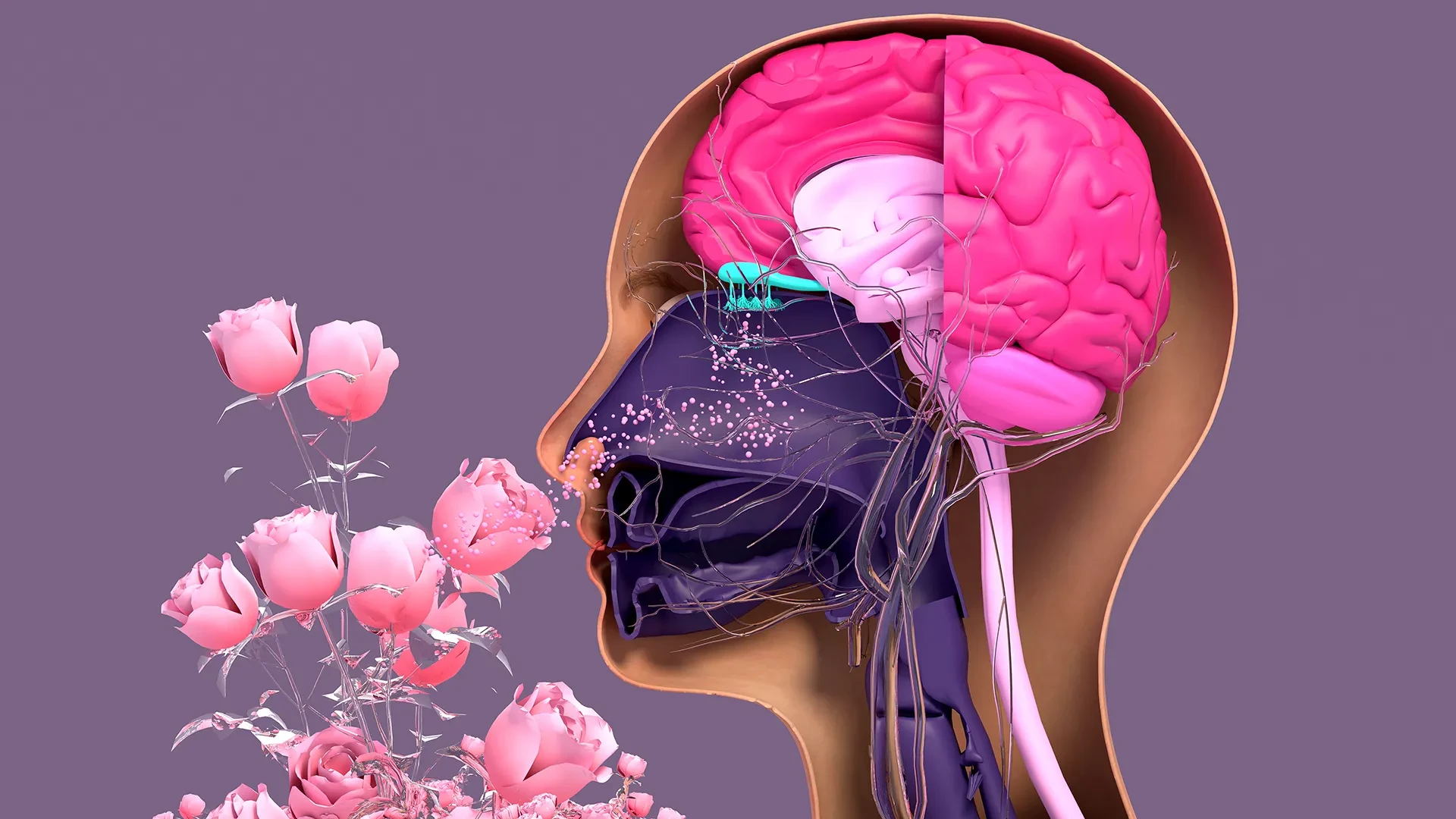
The human sense of smell is a complex and often underappreciated gateway to the world, influencing everything from the enjoyment of a meal to the detection of environmental hazards like smoke or leaking gas. Yet, for millions of people, this sensory connection is severed or dulled by viral infections, toxic exposure, or the natural progression of aging. In a significant breakthrough for regenerative medicine, researchers at the Tufts University School of Medicine and the Graduate School of Biomedical Sciences (GSBS) have developed a sophisticated three-dimensional model of nasal tissue that has fundamentally altered our understanding of how the nose repairs itself.
The study, published recently in the journal Cell Reports Methods, reveals that a specific type of stem cell previously categorized as largely dormant actually plays a vital, active role in the regeneration of olfactory neurons. This discovery not only provides a clearer map of the cellular mechanics within the nasal cavity but also offers a new, accessible tool for scientists worldwide to study sensory loss and potential treatments.
The Regenerative Mystery of the Nasal Cavity
Unlike the delicate tissues of the central nervous system, such as the brain or spinal cord, which possess a notoriously limited capacity for self-repair, the sensory neurons located in the nasal cavity are remarkable for their resilience. These neurons are uniquely exposed to the external environment, constantly bombarded by pathogens, pollutants, and physical trauma. To compensate for this "front-line" vulnerability, the olfactory system has evolved a robust ability to regenerate throughout a person’s lifetime.
However, this regenerative engine is not invincible. The global COVID-19 pandemic brought the issue of anosmia—the loss of smell—into the public consciousness on an unprecedented scale, as millions of patients reported a sudden and often lingering disappearance of their olfactory senses. Beyond viral threats, the natural process of aging and chronic exposure to environmental toxins can also cause the regenerative process to falter, leading to a permanent decline in sensory function.
To understand why this process succeeds in some and fails in others, the Tufts research team, led by Brian Lin, a research assistant professor in the Department of Developmental, Molecular and Chemical Biology, sought to recreate the nasal environment in a controlled laboratory setting. They developed a three-dimensional olfactory tissue mouse model, known as an organoid, which allows for the real-time observation of how neurons are formed and how different cell types interact.
Reevaluating the Role of "Dormant" Stem Cells
At the heart of the team’s discovery is a new understanding of the relationship between two primary types of stem cells found in the olfactory epithelium: horizontal basal cells (HBCs) and globose basal cells (GBCs).
For years, the prevailing scientific consensus suggested a clear division of labor. GBCs were viewed as the primary "workhorses" of regeneration, actively and frequently dividing to replace lost neurons. In contrast, HBCs were often described as a reserve population—dormant cells that only sprang into action under conditions of extreme tissue damage.
The Tufts study, however, suggests that this hierarchy is more nuanced than previously believed. Using their 3D organoid model, the researchers observed that these two cell types exist in a state of interdependence.
"Our research suggests that these two stem cells may be interdependent," says Brian Lin, the study’s senior author. "One type that we thought was largely dormant—HBCs—may actually play a crucial role in supporting the production of new neurons and the repair of damaged tissue."