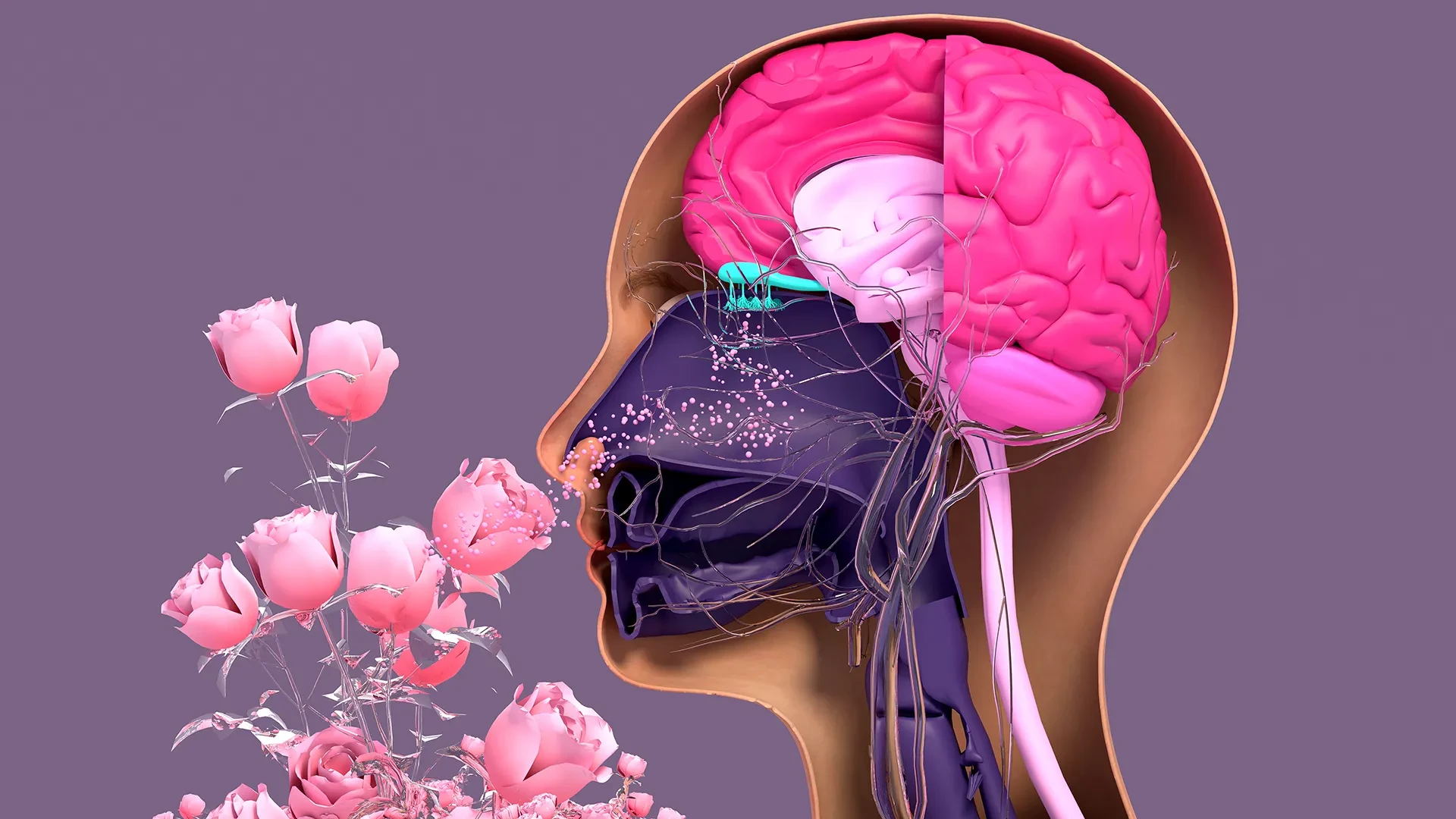
Specifically, the team identified a subpopulation of HBCs characterized by the production of a protein called KRT5. Through the use of the organoid model, the researchers were able to witness these KRT5-positive cells actively supporting the generation of new olfactory neurons. To confirm their importance, the team conducted a depletion experiment: when these specific HBCs were selectively removed from the organoid cultures, the generation of new neurons was significantly impaired. This finding suggests that HBCs are not merely a backup system for emergencies, but are essential players in the day-to-day maintenance and support of the nasal tissue’s regenerative capacity.
The Impact of Aging on Neural Regeneration
The development of the organoid model also allowed the researchers to investigate one of the most common causes of sensory decline: the passage of time. By harvesting cells from mice of various ages and growing them within the 3D model, the team was able to compare the regenerative vigor of young versus old tissue.
The results confirmed a measurable decline in the ability of cells from older mice to produce new neurons. While the study found that the HBCs remained present, the overall output of the system slowed down.
"We found a decline in the ability of the older mice cells to generate new neurons," Lin explains. "We think this is due to a decrease in the GBC population as we age, but we need to do more work to test this hypothesis and if so, develop ways to rejuvenate them."
This aspect of the research is particularly relevant as the global population ages. Understanding the specific cellular failures that lead to age-related smell loss could eventually lead to therapies designed to "reboot" the regenerative cycle in older adults, potentially improving quality of life and safety for the elderly.
An Easy-To-Use Model
One of the most significant achievements of the study lies not just in the biological findings, but in the methodology itself. The lead author of the study, Juliana Gutschow Gameiro, a former Ph.D. student visiting the Graduate School of Biomedical Sciences from the State University of Londrina in Brazil, was driven by a specific goal: creating a research tool that was as accessible as it was effective.
During her time at Tufts, Gameiro focused on developing a model that did not require the exorbitant funding or specialized, high-end equipment that often gatekeeps advanced biological research. By designing an "easy-to-create" organoid, the team has provided a blueprint that can be adopted by a wide range of laboratories.
"Because loss of smell is associated with COVID-19, as well as with Parkinson’s disease and other conditions, a much larger number of researchers from a variety of different fields have begun researching olfactory epithelial cells in the last few years," says Lin.