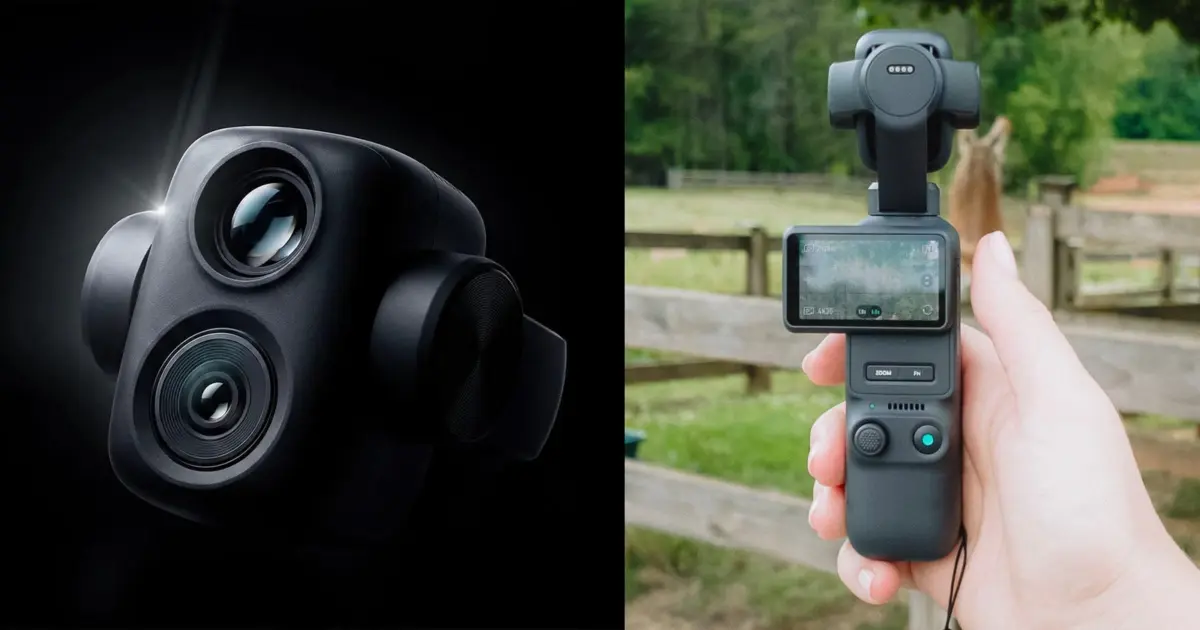
The intersection of high-end consumer technology and international regulatory policy has reached a point of significant tension for Xtra, the camera manufacturer currently attempting to launch its highly anticipated Muse 2 and Muse 2 Pro gimbal cameras in the United States. In a recent series of communications on the social media platform Threads, Xtra addressed its growing community of prospective buyers with an apology for the continued absence of these devices from the market. However, the nature of this apology, and the reasoning provided for the delay, has raised significant questions regarding the company’s transparency and its willingness to address the elephant in the room: a mounting legal and regulatory confrontation with the Federal Communications Commission (FCC).
The messaging from Xtra suggests a narrative of corporate perfectionism. The company told its followers that the delay in the Muse 2 and Muse 2 Pro’s arrival is the result of a "zero-compromise standard" in manufacturing and quality control. According to the company, teams are working "around the clock" to ensure that the hardware is ready for a global audience. While such a stance is common in the tech industry—often used to build anticipation and project an image of artisanal dedication—it stands in stark contrast to the documented reality of Xtra’s current standing with U.S. federal authorities. The claim that the company refuses to "tease a speculative timeline" until every unit is perfect appears to be a convenient pivot away from the fact that, at present, Xtra may not legally be allowed to sell these specific products in the United States at all.
For several weeks, Xtra’s marketing channels have been characterized by a repetitive cycle of "coming soon" teasers. These posts are designed to maintain consumer interest in a product that promises to undercut major competitors like Insta360 while offering a unique dual-lens configuration and integrated gimbal stabilization. Yet, the refusal to provide even a broad seasonal window for release suggests that the obstacles are not internal manufacturing hiccups, but external legal barriers. The primary hurdle is a high-stakes investigation by the FCC, which has placed Xtra under a microscope for its alleged use of technology associated with DJI, the Chinese drone and camera giant that has become a focal point of U.S. national security concerns.
The regulatory history here is both recent and dense. In July 2026, the FCC escalated its scrutiny of Xtra by proposing a $25,000 forfeiture against the company. This fine was not an isolated incident but part of a wider, more aggressive campaign by the U.S. government to identify and restrict the importation of technology that utilizes components or software architectures from companies currently on the "entity list" or otherwise restricted under the Secure and Trusted Communications Networks Act. Specifically, the FCC’s actions against Xtra involve allegations that the company is bringing equipment into the U.S. that mirrors restricted DJI technology, effectively attempting to bypass existing trade barriers.