
Beyond the monetary fine, the FCC has proposed a more existential threat to Xtra’s American operations: a potential prohibition on the importation and marketing of its equipment. This regulatory process is ongoing and complex. It does not function as an immediate, total ban, which allows Xtra to continue some level of corporate presence, but it creates a legal limbo that makes a commercial launch of the Muse 2 Pro virtually impossible in the short term. Xtra has acknowledged these discussions in the past, admitting to being in "close communication" with the FCC. The company even took the unusual step of initiating official refunds for customers who had placed early-access reservations. Such a move is rarely the result of minor manufacturing delays; rather, it is a defensive financial measure taken when a company realizes it cannot fulfill its promises for the foreseeable future.
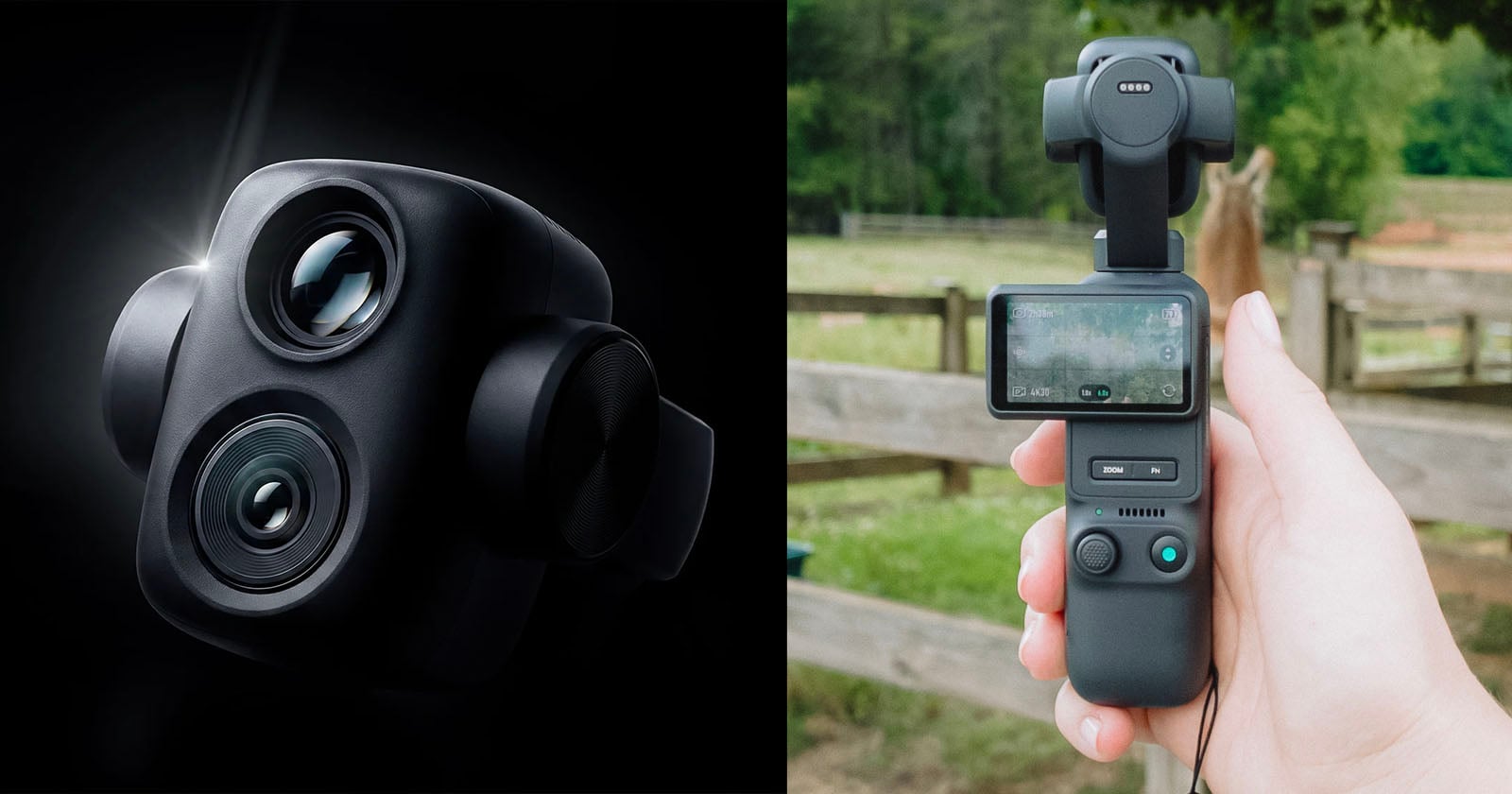
The irony of Xtra’s "zero-compromise" narrative is further highlighted by the fact that the Muse 2 Pro is, by all accounts, a finished and functional product. Hands-on testing of the few units that have managed to enter the United States reveals a device that performs exactly as advertised. These units do not display the hallmarks of a prototype in need of further "around the clock" testing. Instead, they represent a polished, market-ready piece of hardware that is currently being held back not by a lack of quality, but by the geopolitical climate. By framing the delay as a choice made in the interest of the consumer’s experience, Xtra is engaging in a form of marketing that many industry observers find increasingly difficult to reconcile with the facts.
This situation reflects a broader trend in the technology sector where political tensions between the United States and China are dictating the availability of consumer electronics. DJI has been a primary target of these policies, leading to a ripple effect that touches any company perceived to be using its supply chain or intellectual property. DJI itself has not taken these restrictions lightly, having previously engaged in legal action against the FCC to challenge the blocking of its products. Xtra, caught in the wake of this much larger battle, appears to be struggling with how to communicate this reality to its customer base.
There is a palpable sense of frustration among tech enthusiasts who see the Muse 2 Pro as a victim of political maneuvering rather than legitimate safety or quality concerns. The products are often viewed as superior or more cost-effective than domestic alternatives, leading to a "grey market" demand. However, the way Xtra is managing this frustration is what draws the most criticism. The company’s social media posts are often "pinned for transparency," a label that feels contradictory when the content of the posts avoids the specific legal challenges the company is facing. Transparency, in its truest sense, would involve a candid discussion about the FCC investigation and the difficulties of navigating the current trade environment.