
The intersection of high-end consumer technology and international regulatory policy has reached a point of significant tension for Xtra, the camera manufacturer currently attempting to launch its highly anticipated Muse 2 and Muse 2 Pro gimbal cameras in the United States. In a recent series of communications on the social media platform Threads, Xtra addressed its growing community of prospective buyers with an apology for the continued absence of these devices from the market. However, the nature of this apology, and the reasoning provided for the delay, has raised significant questions regarding the company’s transparency and its willingness to address the elephant in the room: a mounting legal and regulatory confrontation with the Federal Communications Commission (FCC).
The messaging from Xtra suggests a narrative of corporate perfectionism. The company told its followers that the delay in the Muse 2 and Muse 2 Pro’s arrival is the result of a "zero-compromise standard" in manufacturing and quality control. According to the company, teams are working "around the clock" to ensure that the hardware is ready for a global audience. While such a stance is common in the tech industry—often used to build anticipation and project an image of artisanal dedication—it stands in stark contrast to the documented reality of Xtra’s current standing with U.S. federal authorities. The claim that the company refuses to "tease a speculative timeline" until every unit is perfect appears to be a convenient pivot away from the fact that, at present, Xtra may not legally be allowed to sell these specific products in the United States at all.
For several weeks, Xtra’s marketing channels have been characterized by a repetitive cycle of "coming soon" teasers. These posts are designed to maintain consumer interest in a product that promises to undercut major competitors like Insta360 while offering a unique dual-lens configuration and integrated gimbal stabilization. Yet, the refusal to provide even a broad seasonal window for release suggests that the obstacles are not internal manufacturing hiccups, but external legal barriers. The primary hurdle is a high-stakes investigation by the FCC, which has placed Xtra under a microscope for its alleged use of technology associated with DJI, the Chinese drone and camera giant that has become a focal point of U.S. national security concerns.
The regulatory history here is both recent and dense. In July 2026, the FCC escalated its scrutiny of Xtra by proposing a $25,000 forfeiture against the company. This fine was not an isolated incident but part of a wider, more aggressive campaign by the U.S. government to identify and restrict the importation of technology that utilizes components or software architectures from companies currently on the "entity list" or otherwise restricted under the Secure and Trusted Communications Networks Act. Specifically, the FCC’s actions against Xtra involve allegations that the company is bringing equipment into the U.S. that mirrors restricted DJI technology, effectively attempting to bypass existing trade barriers.
Beyond the monetary fine, the FCC has proposed a more existential threat to Xtra’s American operations: a potential prohibition on the importation and marketing of its equipment. This regulatory process is ongoing and complex. It does not function as an immediate, total ban, which allows Xtra to continue some level of corporate presence, but it creates a legal limbo that makes a commercial launch of the Muse 2 Pro virtually impossible in the short term. Xtra has acknowledged these discussions in the past, admitting to being in "close communication" with the FCC. The company even took the unusual step of initiating official refunds for customers who had placed early-access reservations. Such a move is rarely the result of minor manufacturing delays; rather, it is a defensive financial measure taken when a company realizes it cannot fulfill its promises for the foreseeable future.
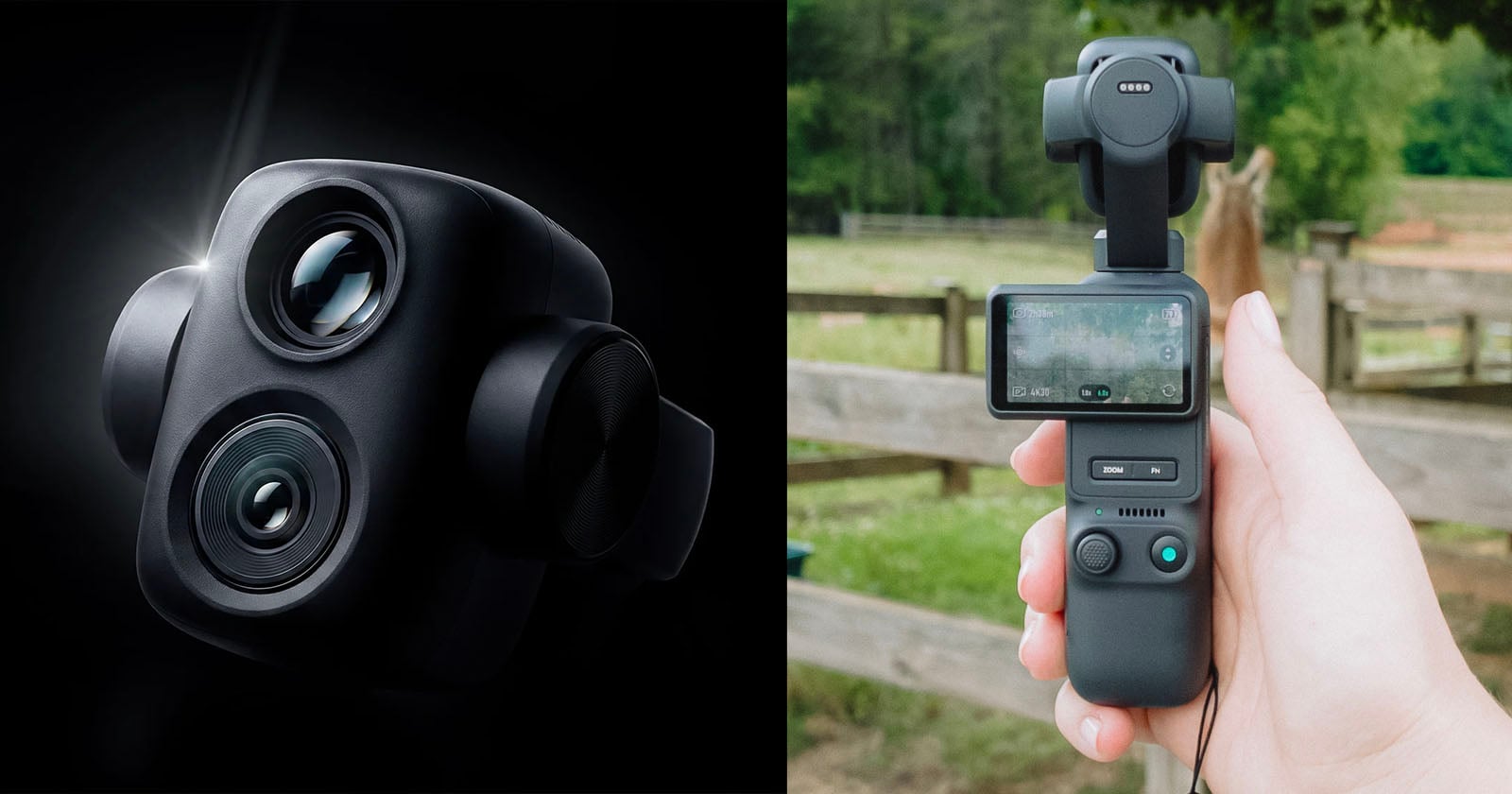
The irony of Xtra’s "zero-compromise" narrative is further highlighted by the fact that the Muse 2 Pro is, by all accounts, a finished and functional product. Hands-on testing of the few units that have managed to enter the United States reveals a device that performs exactly as advertised. These units do not display the hallmarks of a prototype in need of further "around the clock" testing. Instead, they represent a polished, market-ready piece of hardware that is currently being held back not by a lack of quality, but by the geopolitical climate. By framing the delay as a choice made in the interest of the consumer’s experience, Xtra is engaging in a form of marketing that many industry observers find increasingly difficult to reconcile with the facts.
This situation reflects a broader trend in the technology sector where political tensions between the United States and China are dictating the availability of consumer electronics. DJI has been a primary target of these policies, leading to a ripple effect that touches any company perceived to be using its supply chain or intellectual property. DJI itself has not taken these restrictions lightly, having previously engaged in legal action against the FCC to challenge the blocking of its products. Xtra, caught in the wake of this much larger battle, appears to be struggling with how to communicate this reality to its customer base.
There is a palpable sense of frustration among tech enthusiasts who see the Muse 2 Pro as a victim of political maneuvering rather than legitimate safety or quality concerns. The products are often viewed as superior or more cost-effective than domestic alternatives, leading to a "grey market" demand. However, the way Xtra is managing this frustration is what draws the most criticism. The company’s social media posts are often "pinned for transparency," a label that feels contradictory when the content of the posts avoids the specific legal challenges the company is facing. Transparency, in its truest sense, would involve a candid discussion about the FCC investigation and the difficulties of navigating the current trade environment.
The decision to mislead, even through omission or the reframing of facts, risks damaging the long-term brand equity of Xtra. Consumers are generally more forgiving of a company that is being "bullied" by complex international regulations than they are of a company that appears to be making excuses. If Xtra were to state clearly that the Muse 2 Pro is ready for the market but is being held back by federal regulatory hurdles, it might find a more sympathetic audience. Instead, by attributing the delay to a quest for perfection, they place the burden of the delay on their own internal processes, which contradicts the evidence of the product’s actual state of readiness.
As the FCC continues its regulatory process, the future of Xtra in the United States remains highly uncertain. The $25,000 fine may be just the beginning of a series of penalties if the company is found to have willfully circumvented importation laws. For the prospective buyers who are still holding out hope for a sub-$700 professional gimbal camera, the wait is likely to continue indefinitely. The "showdown" with the FCC is not a matter that will be resolved by more hours in a testing lab or a more refined manufacturing line. It is a legal and diplomatic puzzle that requires a resolution at the federal level—a resolution that currently seems unlikely given the prevailing winds of U.S. trade policy.
Ultimately, the story of the Xtra Muse 2 Pro is about more than just a camera. It is a case study in the modern challenges of tech hardware distribution, where the quality of a product is no longer the sole determinant of its success. In an era where "transparency" is a buzzword often used to mask a lack thereof, Xtra’s current strategy serves as a reminder of the friction that exists when a company’s marketing ambitions collide with the hard realities of international law. Until the company can align its public narrative with its regulatory situation, the Muse 2 Pro will remain a "coming soon" ghost in the American market—a high-quality device that exists in a state of permanent delay, not because it isn’t ready, but because it isn’t allowed.