In the expansive world of wildlife photography, the last three and a half decades have witnessed a seismic shift in how images are captured, processed, and perceived. For Johan J. Botha, a veteran photographer with 35 years of experience in the field, this evolution is not merely a matter of upgrading equipment, but a fundamental change in the philosophy of the craft. As an assessor of honors for the Photographic Society of South Africa (PSSA) and the chair for Photographic Society of America (PSA) portfolio recognition, Botha has occupied a front-row seat to the changing tides of the industry. His observations from the judging panels of 2024 through 2026 suggest a profound disconnect: while technology has advanced at a breakneck pace, many photographers—and the institutions that reward them—remain tethered to a mindset that belongs to a bygone era.
The history of wildlife photography can be divided into distinct technological epochs, each defining what was considered "excellent." However, Botha notes that for a significant portion of the community, the approach to the subject has remained frustratingly static. To understand where the medium is going, one must first look back at the rigid constraints that defined the early years of the discipline.
The Slide Photography Era: Mastery of Constraint
During the era of slide photography, roughly spanning from the early 1990s to the mid-2000s, the technical barriers to entry were immense. In this period, achieving a "club gold" or a salon acceptance required a level of disciplined craftsmanship that modern digital users might find staggering. The primary currency of the time was light. Because slide film offered very little latitude for exposure errors, photographers were essentially slaves to the "golden hours"—the soft, directional light of the early morning or late afternoon.
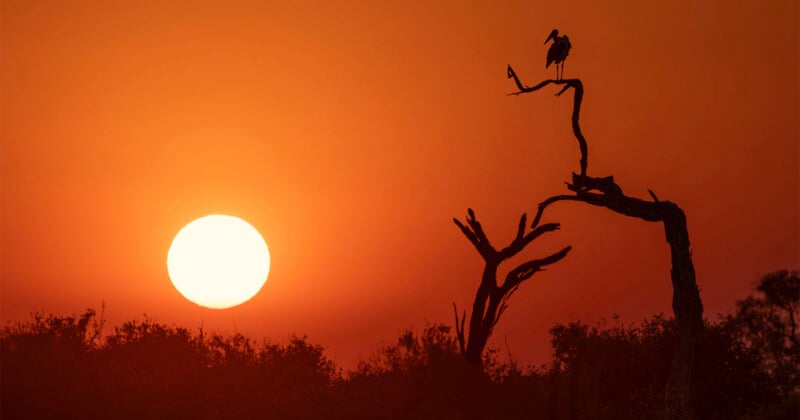
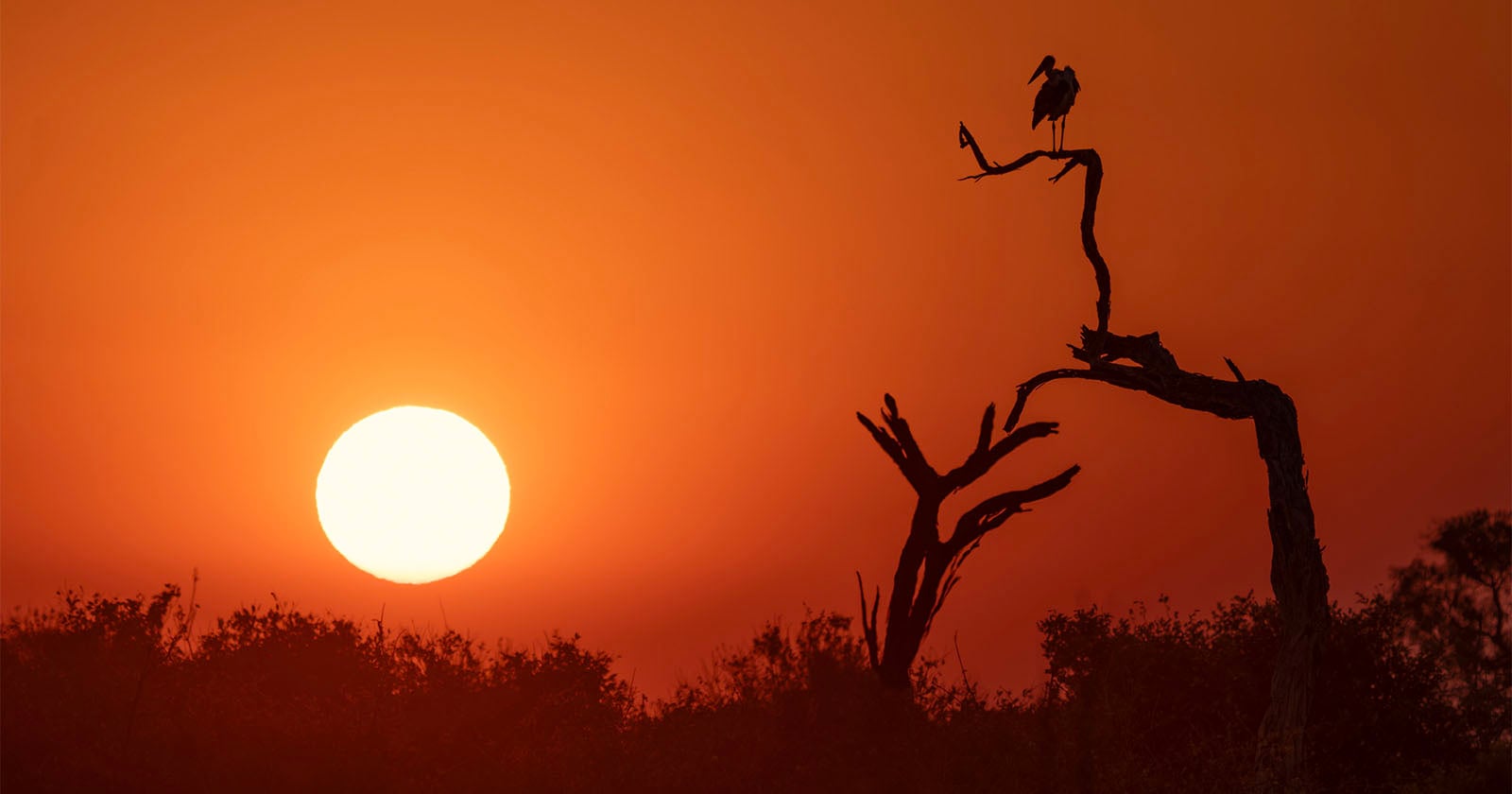
In many instances, the quality of light was prioritized even over the complexity of the composition. The standard for success was high-key but narrow: a subject placed according to the rule of thirds, absolute tack-sharpness, and the presence of a visible "catchlight" in the eye to signify life. This was the age of the "voëltjie op ’n stokkie"—the bird on a twig. Whether it was a Malachite Kingfisher perched on a reed or a waterbird gliding across a mirror-still pond, the goal was a clean, full-frame, technically perfect portrait.
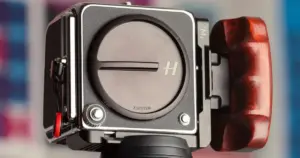
The difficulty of this era lay in the lack of an immediate feedback loop. Success required a deep, instinctive understanding of the "exposure triangle"—the relationship between shutter speed, aperture, and film speed. With high-quality slide film often limited to ISO 50, photographers were forced to work with dangerously slow shutter speeds, sometimes as low as 1/60th of a second, even when using massive 600mm f/4 lenses. Manual focusing was a mandatory skill, and the photographer wouldn’t know if they had successfully captured the moment until the film returned from the processing lab days or weeks later. There was no room for error, and consequently, technical proficiency was the ultimate differentiator.

The Digital Transition and the Mirrorless Revolution
The arrival of digital photography and basic autofocus systems marked the first major democratization of the craft. It opened doors for "adventurous" photographers to move beyond the static perch and begin capturing action. As sensors grew in resolution and autofocus algorithms became more sophisticated, the "bird in flight" (BIF) image moved from a rare feat to a standard expectation. The ability to shoot at ISO 12,800 with manageable noise levels was a revolution that fundamentally altered the physics of wildlife photography, allowing for ultra-fast shutter speeds that were unthinkable in the ISO 50 days of film.
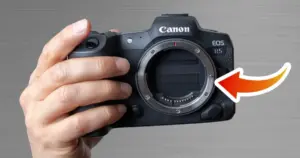
However, Botha argues that the true "equalizer" arrived only recently with the mirrorless revolution. Modern mirrorless cameras, powered by incredibly fast processors, have removed the mechanical limitations of the SLR era. Features that once required decades of field experience to master are now automated. Subject and eye recognition, predictive tracking, pre-capture buffers, and shooting speeds of 30 frames per second have become the baseline.