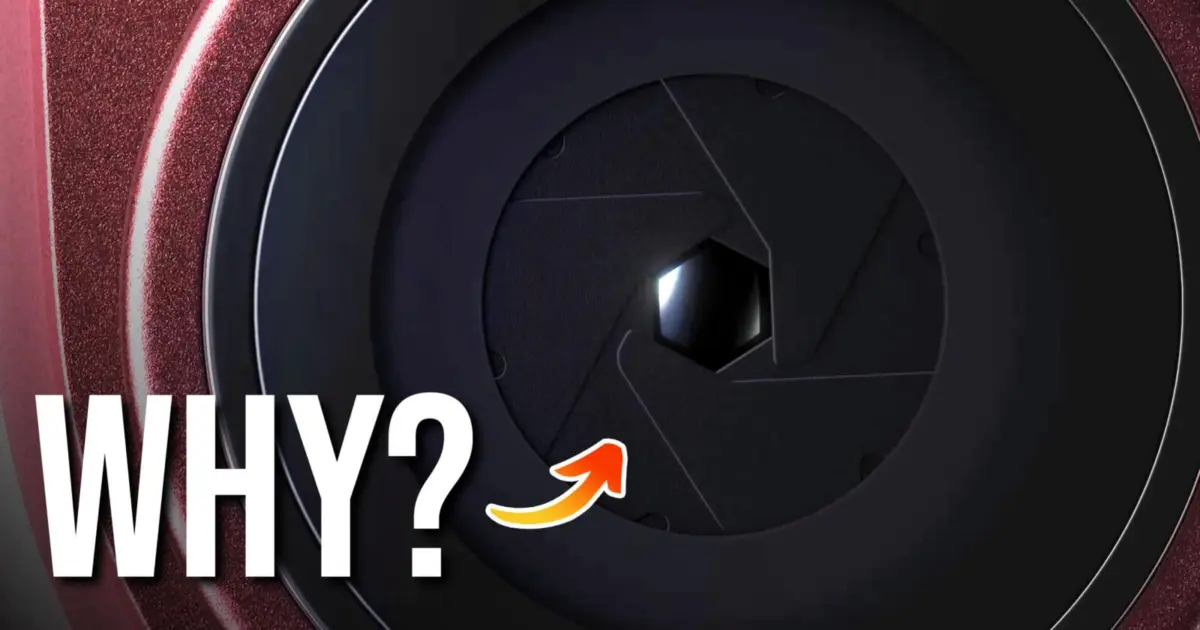
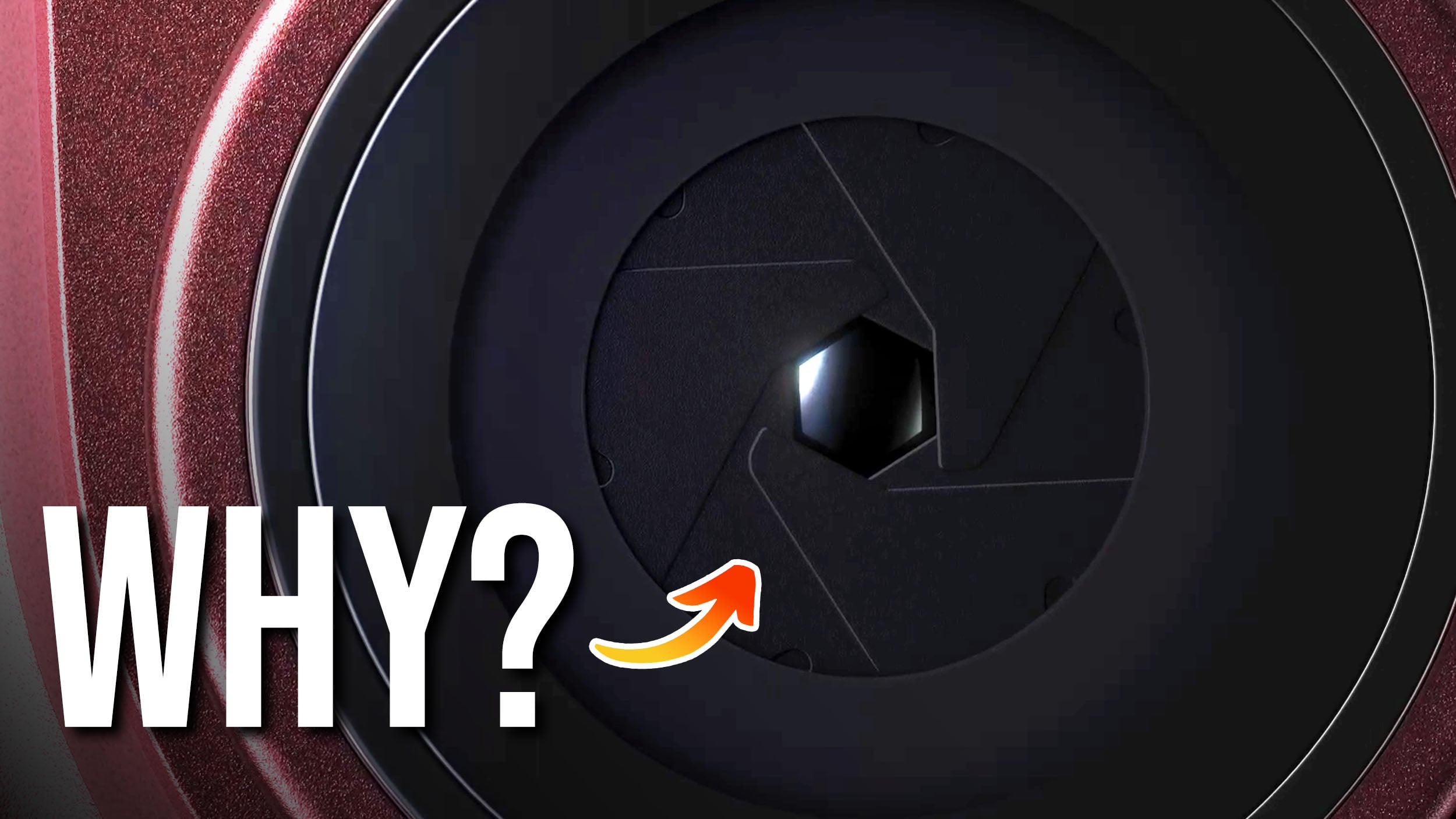
The release of the Apple iPhone 18 Pro and iPhone 18 Pro Max marks a significant milestone in the evolution of mobile photography. While the outward design of the new flagships remains comfortably familiar to long-time users, the hardware tucked behind the sapphire crystal of the main camera represents one of the most substantial engineering shifts in the history of the product line. For the first time, an iPhone features a physical variable aperture, a move that signals Apple’s growing commitment to bridging the gap between smartphone convenience and professional-grade optical control.
In a rare move, Apple recently sat down for a candid conversation with PetaPixel to pull back the curtain on the development of this system. The dialogue with Jeremy Hendricks of Apple’s iPhone Product Marketing team and Matt Waldon, Senior Director of Camera & Depth Hardware, provided a deep look into the technical hurdles, the design philosophy, and the cascading series of decisions that led to the iPhone 18 Pro’s new primary sensor.
Why Is Now the Right Time for a Variable Aperture on iPhone?
The introduction of a variable aperture is a development many industry observers have anticipated for years. Several of Apple’s competitors experimented with the technology in the past, with varying degrees of success. This led to a natural question for the engineering team: why wait until the iPhone 18 Pro to implement a feature that has existed elsewhere in the market?
According to Jeremy Hendricks, the decision was rooted in the delicate balance Apple must maintain between simplicity and advanced capability. “Especially on our Pro line, we really want to make it as simple as possible for anyone to get the best shot possible, all while giving really technically advanced capabilities for pros—people who may be experienced in photography and videography,” Hendricks explained. He noted that the Pro line has had to evolve over nearly a decade to serve both the casual user who wants a "point-and-shoot" experience and the professional who requires granular control over the physics of the lens.
Interestingly, the push for a variable aperture did not actually begin with a desire for the aperture itself. Instead, it was the byproduct of a more fundamental goal: improving low-light performance.
“We really started from sensitivity, actually,” said Matt Waldon. “We’re always trying to make our cameras better, bring better image quality to customers. And in this case, we really wanted to improve the sensitivity. And there’s a few ways to do that.”
As Waldon detailed, the most common way to increase light sensitivity is to increase the physical size of the image sensor. While Apple has done this consistently over the years, there is a physical ceiling to how large a sensor can become before it requires a lens assembly that is too thick for a modern smartphone chassis. Larger sensors necessitate larger optics and significantly more processing power to handle the increased data. For the iPhone 18 Pro, Apple’s engineers found a more efficient path to better light gathering: creating a faster lens.
By moving from the previous generation’s f/1.8 aperture to a wider f/1.48, Apple was able to significantly increase the amount of light hitting the sensor. However, this "speed" came with a new set of optical complications.
“So this camera now has an f/1.48 lens,” Waldon noted. “And if we did that without variable aperture, in some shots—for example, if you’re shooting somebody close and you have something in the background you want to capture—you would really lose sharpness and not necessarily be able to take the shot you want to take.”
At f/1.48, the depth of field becomes incredibly shallow. While this is desirable for portraits, it can be a hindrance for landscape photography or group shots where edge-to-edge sharpness is required. The variable aperture, therefore, became a necessary engineering solution. It allowed Apple to offer the benefits of a "fast" lens for low light and bokeh while retaining the ability to "stop down" the lens to maintain clarity and detail when light is abundant.