The Smithsonian’s National Portrait Gallery has announced a major upcoming exhibition to commemorate the 50th anniversary of its photography collection, a department that has grown from a nascent addition in the 1970s to a cornerstone of the museum’s identity. The exhibition, titled "Photographic Memory: Fifty Years of Collecting," is scheduled to open to the public on November 14, 2026, offering a sweeping retrospective of how the camera has captured and shaped the American narrative. Since the museum began formally acquiring photographs half a century ago, the medium has expanded to comprise nearly half of the National Portrait Gallery’s total holdings, reflecting a profound shift in how the institution defines and preserves the likenesses of those who have influenced the United States.
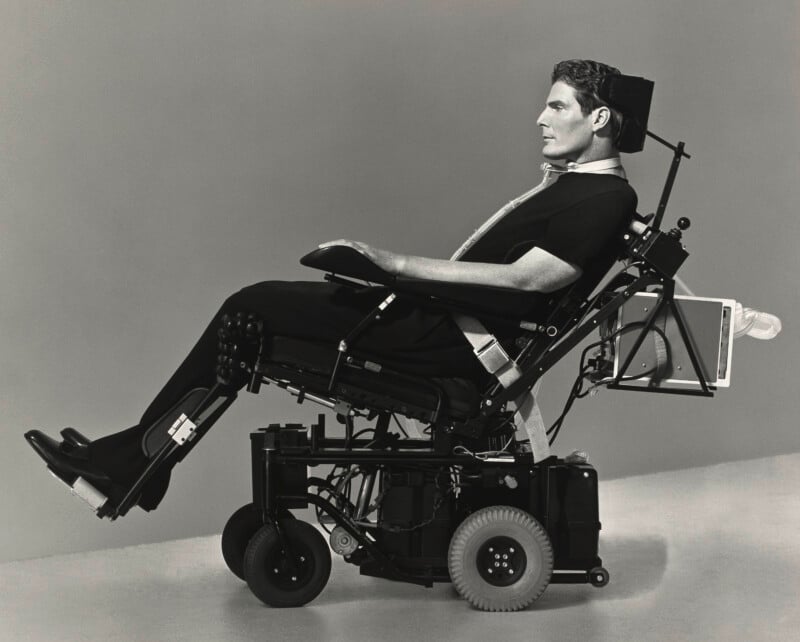
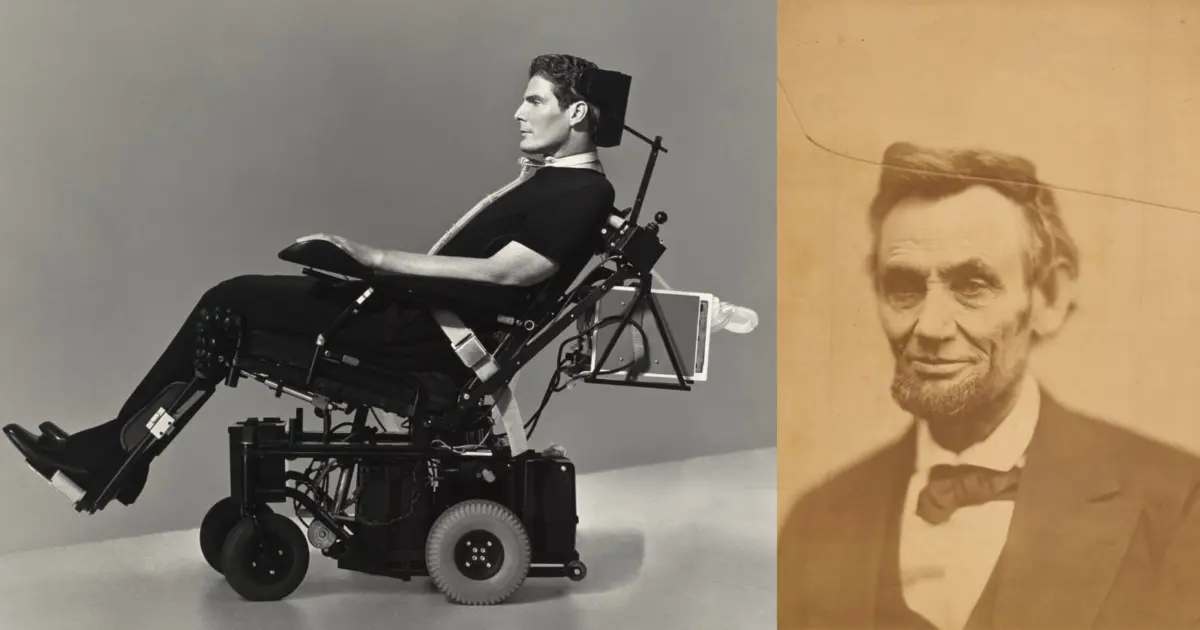
Curated by Ann Shumard, the museum’s senior curator of photographs, the exhibition will feature more than 120 portraits that trace the technical and artistic evolution of the medium. The selection spans nearly two centuries of history, beginning with the meticulous daguerreotypes of the 1840s and moving through the various chemical and physical innovations of the 19th and 20th centuries before arriving at the high-definition digital era of the present day. By organizing the works chronologically, Shumard aims to provide visitors with a dual experience: a journey through the development of photographic technology and a visual record of the people who have defined the American experience across different eras.
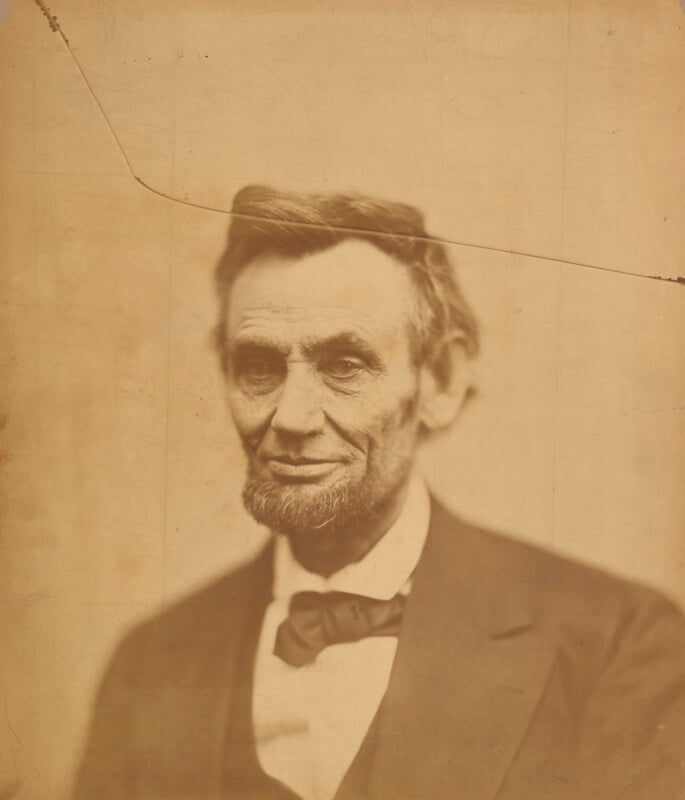
The decision to begin a formal photography collection in 1976 was no coincidence. It was the year of the United States Bicentennial, a moment of national reflection that prompted the museum to expand its collecting mandate. Prior to this shift, the gallery focused primarily on traditional media such as painting and sculpture. However, leadership recognized that photography offered a unique and democratic way to represent the breadth of the American populace. Many individuals who played pivotal roles in the nation’s history—including activists, writers, scientists, and everyday citizens—never had the opportunity or the means to sit for a formal oil painting. Photography bridged this gap, allowing the museum to incorporate a more inclusive and diverse range of figures into the national pantheon.
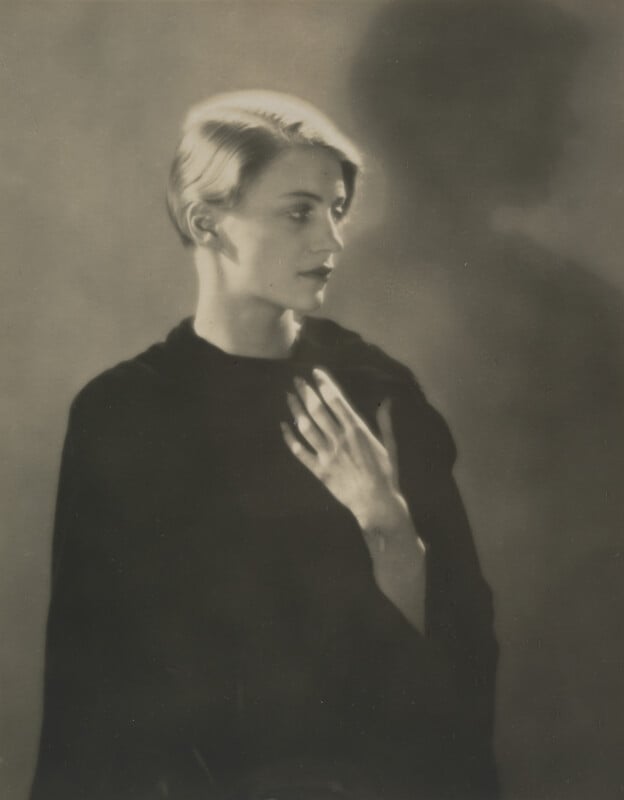
One of the most anticipated highlights of the exhibition is a rare 1846 quarter-plate daguerreotype of Dolley Madison, captured by the pioneer photographer John Plumbe Jr. This specific portrait holds significant historical weight, and its appearance in "Photographic Memory" will mark its public debut since being acquired by the Portrait Gallery in July 2024. In a historic pairing, the image of the former First Lady will be displayed alongside an 1843 half-plate daguerreotype of President John Quincy Adams. This presentation represents the first time that the earliest known photographs of a U.S. president and a first lady will be exhibited together, offering a glimpse into the very dawn of political photography in America.
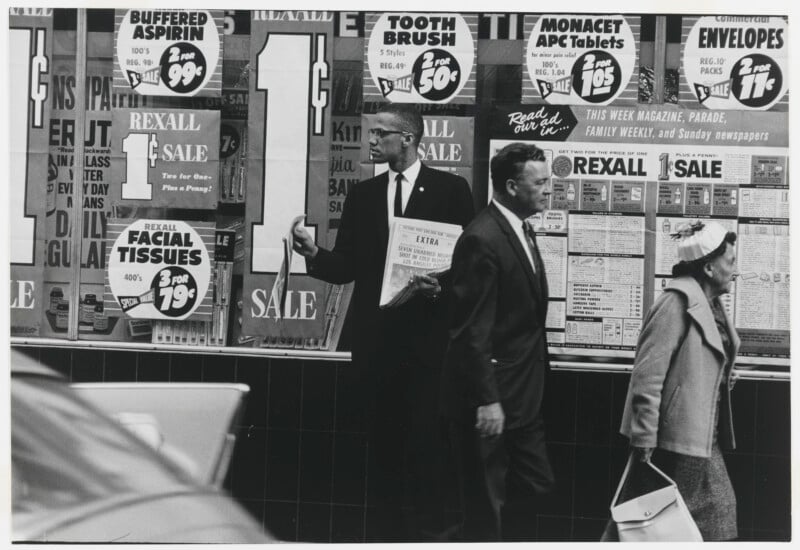
The exhibition also serves as a showcase for the technological milestones that transformed photography from a scientific novelty into a ubiquitous art form. To help visitors navigate these changes, an introductory timeline will be included to outline major processes and technological breakthroughs. This contextual framing is essential for understanding the transition from the fragile, one-of-a-kind silver plates of the daguerreian era to the reproducible albumen silver prints of the Civil War period, and eventually to the gelatin silver and inkjet prints that dominate more modern archives.