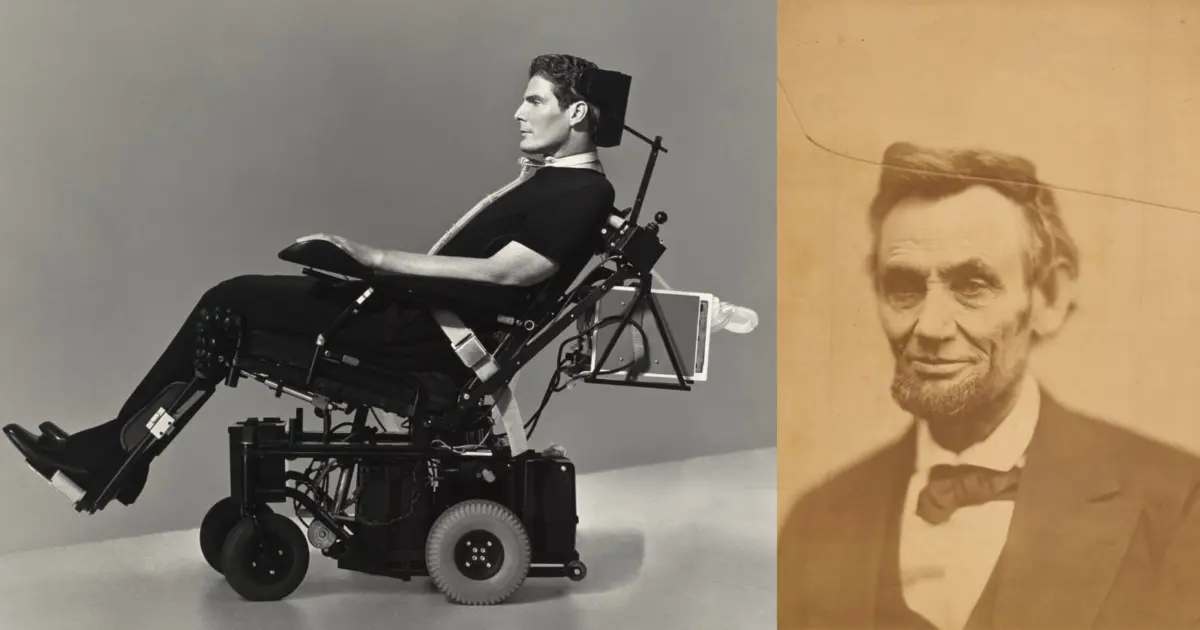
Among the early historical treasures on display is Alexander Gardner’s iconic 1865 "cracked-plate" portrait of Abraham Lincoln. This photograph, taken just weeks before Lincoln’s assassination, is famous not only for its somber depiction of the war-weary president but also for the accidental fracture in the glass negative that created a distinctive diagonal line across the top of the image. It stands as a haunting artifact of a pivotal moment in the American story. Gardner is also represented in the exhibition by his 1862 albumen silver print of Rose O’Neal Greenhow and her daughter, Rose. The image, taken while they were held at the Old Capitol Prison, captures the tension and human cost of the Civil War.
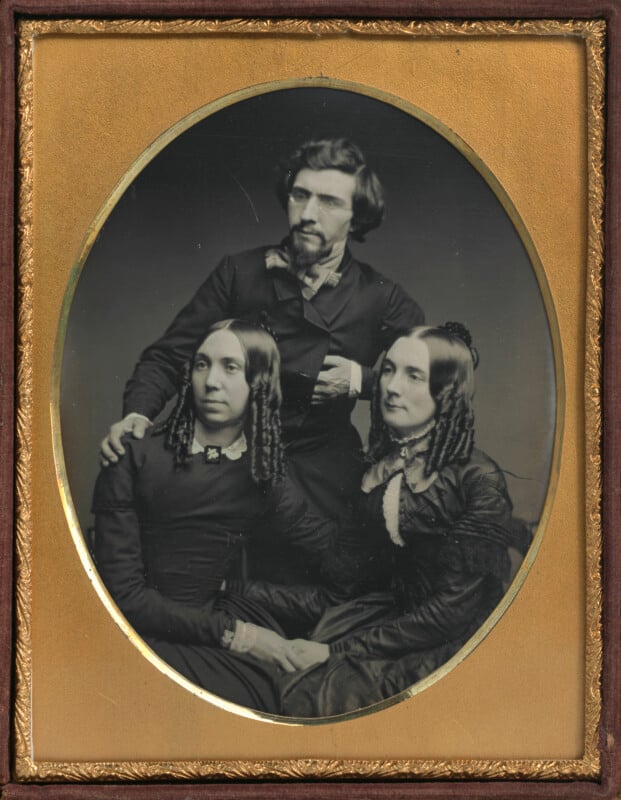
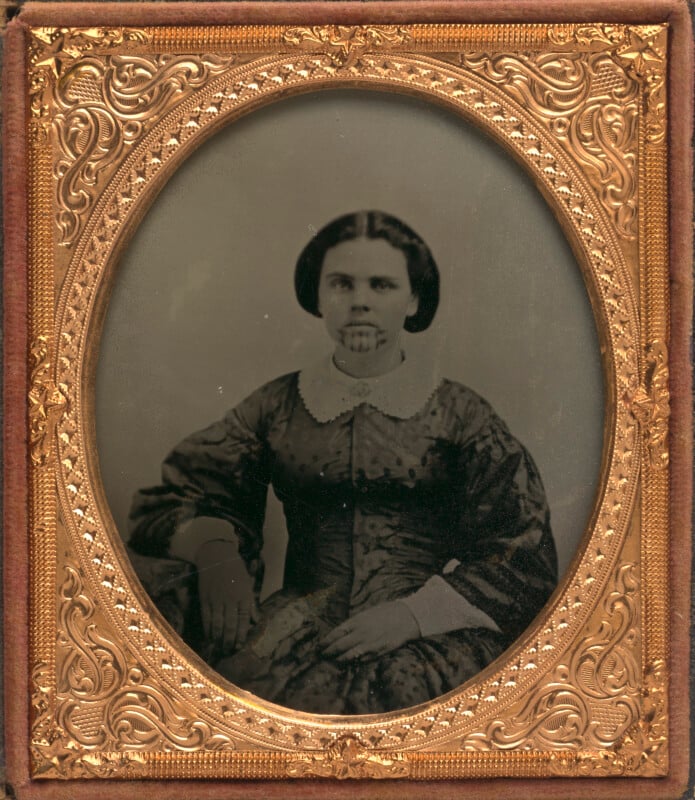
The exhibition’s reach extends into the realm of social reform and intellectual life through rare cabinet-card photographs. Visitors will be able to view portraits of Ida B. Wells-Barnett, the investigative journalist and civil rights leader, captured by Sallie E. Garrity, as well as George K. Warren’s portrait of Ko Kun-hua, the first Chinese instructor at Harvard University. These works underscore the museum’s mission to highlight individuals who challenged societal norms and expanded the intellectual horizons of the country. Another significant early work is Joseph T. Keiley’s 1898 glycerine-developed platinum print of Zitkála-Šá, the influential Yankton Dakota writer and activist, which showcases the artistic soft-focus style of the Pictorialist movement.
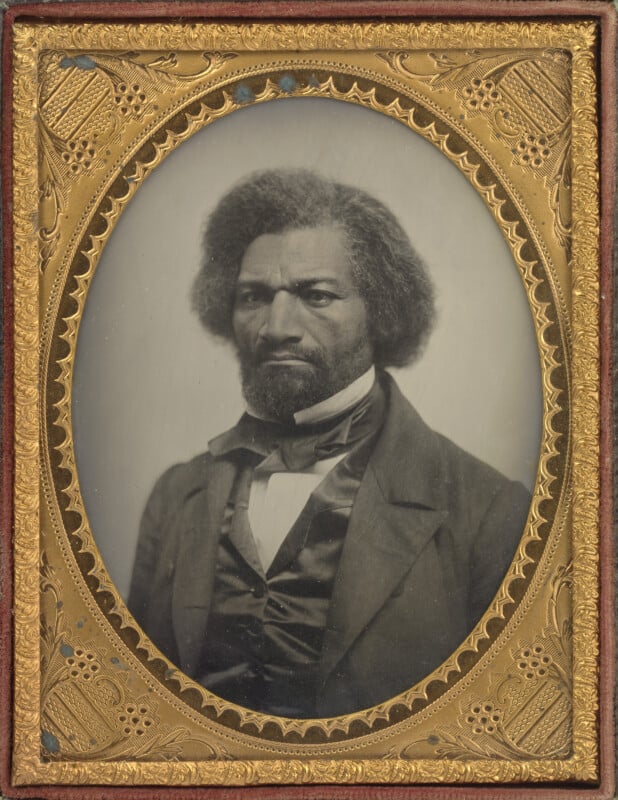
As the exhibition moves into the 20th century, the focus shifts toward the rise of the celebrity photographer and the use of the camera as a tool for social documentary and high art. The collection includes works by masters of the medium such as Alfred Stieglitz, Edward Steichen, and Dorothea Lange, whose photography often blurred the lines between journalism and fine art. Ansel Adams and Irving Penn are also featured, representing the technical perfection and stylistic innovation that defined mid-century photography.
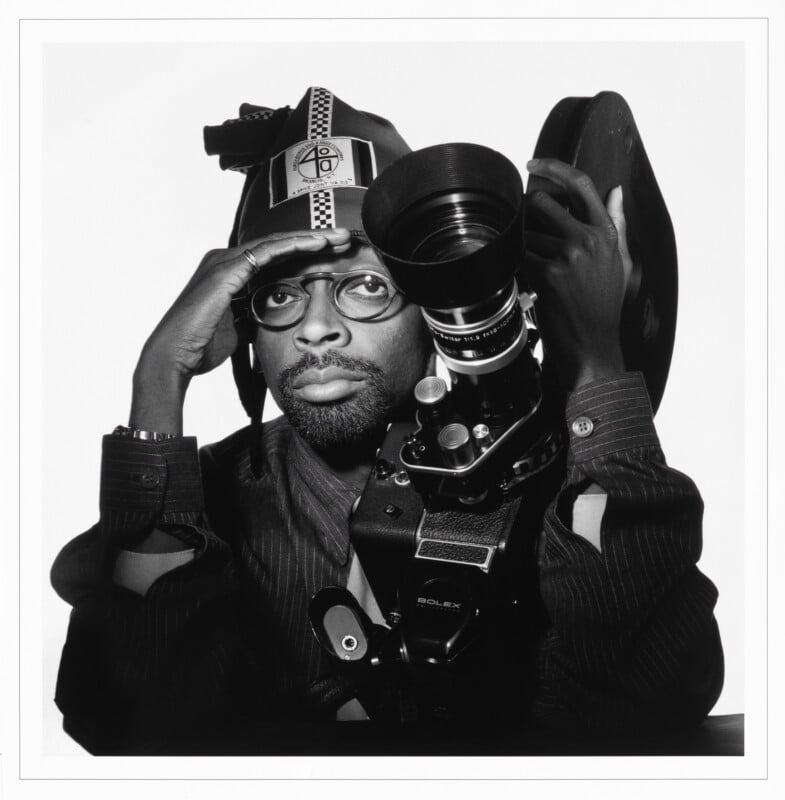
The mid-to-late 20th century is further explored through the lenses of photographers who captured the spirit of cultural and political movements. Gordon Parks’ 1963 gelatin silver print of Malcolm X is a standout piece, showing the civil rights leader walking past a Rexall store window filled with "1-cent sale" advertisements while holding a newspaper detailing a police shooting. This image serves as a powerful example of how environmental portraiture can provide deep layers of social context. Similarly, Philippe Halsman’s 1954 portrait of Lena Horne captures the performer in a moment of literal and figurative ascension, jumping in the air in a flowing gown.
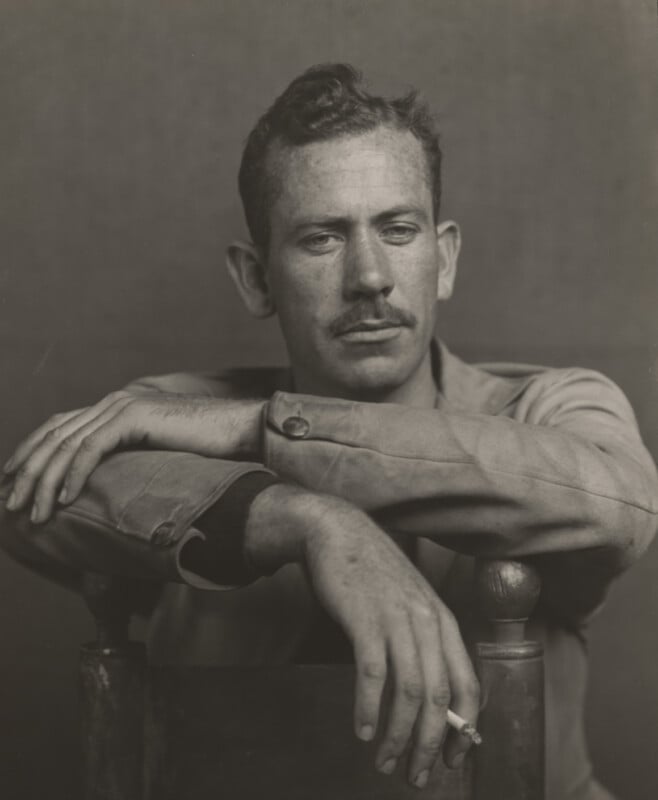
The exhibition does not shy away from the evolution of the portrait into the contemporary era. Portraits of modern icons demonstrate the continued relevance of the medium in defining public identity. A 1996 gelatin silver print by Herb Ritts Jr. depicts actor and activist Christopher Reeve in profile. The image is a poignant study of resilience, showing Reeve in his motorized wheelchair, supported by a headrest and ventilator, yet possessing a powerful, dignified presence. Spike Lee is also represented through a 1999 inkjet print by Jesse Frohman, which shows the filmmaker with his signature glasses and a Bolex movie camera, a work that earned Lee the Portrait of a Nation Prize.