The report highlights a growing sense of alarm among industry stakeholders, with nearly two-thirds of survey respondents explicitly stating that current supply chain constraints are directly threatening their ability to deliver on national and regional energy security goals. This finding suggests a shift in the industry’s perception of risk; where supply chain issues were once viewed as temporary logistical hurdles, they are now seen as fundamental barriers to the strategic autonomy of energy systems. As nations attempt to pivot away from fossil fuels and toward domestic renewable sources, the inability to secure the necessary components, materials, and transport logistics is leaving energy portfolios vulnerable.
This vulnerability is not theoretical. The practical consequences of these pressures are already being felt across the global offshore wind market. Sherif Megeed, a representative from Jotun Performance Coatings, noted that the industry is already witnessing the tangible "knock-on effect" of these compounding pressures. He pointed to high-profile setbacks as evidence of the current volatility, specifically citing the cancellations of major developments such as the Hornsea 4 project and Ørsted’s Ocean Wind projects. These cancellations represent more than just lost revenue for developers; they signify a slowdown in the total capacity of renewable energy being added to the grid, potentially pushing Net Zero deadlines further out of reach.
The cancellations of such large-scale projects often stem from a combination of rising capital costs and the inability to lock in supply contracts at viable prices. When the cost of specialized coatings, steel, turbines, and installation vessels fluctuates due to geopolitical tensions or manufacturing delays, the economic models that underpin these multi-billion-dollar investments can quickly become unsustainable. For an industry that relies on long-term planning and narrow margins, the current level of uncertainty is proving to be a deterrent to continued investment.
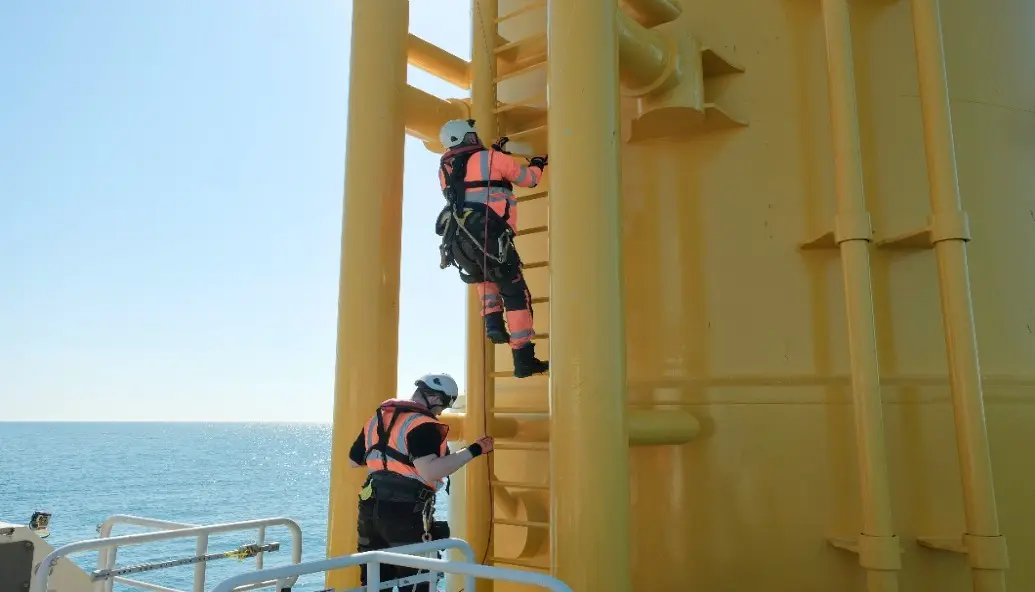
Parallel to the logistical and geopolitical hurdles is a deepening human capital crisis. The report found that a staggering 80% of survey respondents believe their projects are being negatively impacted by a shortage of skilled labor. The offshore wind sector, in particular, requires a highly specialized workforce capable of operating in some of the most demanding environments on earth. However, the supply of qualified professionals is failing to keep pace with the rapid expansion of project pipelines. This talent gap creates a bidding war for existing workers, drives up project costs, and leads to significant delays in project timelines.
One of the most complex aspects of this labor shortage is the industry’s internal debate over how to solve it. While the need for more workers is undisputed, there is a lack of consensus on where that talent should come from. Despite the clear pressure on project delivery, only 52% of offshore operators believe the wind industry should aggressively recruit from more established sectors, such as the oil and gas industry. This hesitancy suggests a divide within the renewable energy community. While the oil and gas sector possesses a massive pool of engineers, technicians, and project managers with transferable offshore experience, some wind operators may harbor concerns regarding cultural differences, salary expectations, or the specific technical nuances required for renewable applications.