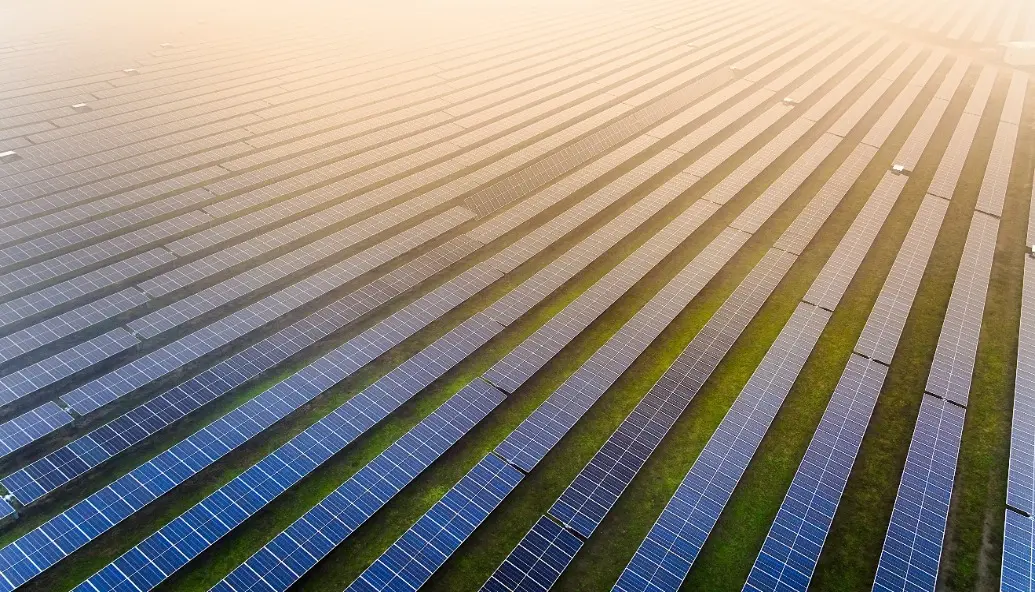
The approval marks a turning point for the Scottish energy landscape, which has historically been dominated by onshore and offshore wind power. While wind remains the backbone of Scotland’s renewable output, the introduction of large-scale solar projects like Rogerhill provides a critical secondary source of generation that often peaks when wind speeds are lower. Once operational, the facility will have the capacity to generate enough clean electricity to power more than 28,000 homes annually. Beyond its contribution to the domestic energy supply, the project is expected to play a major role in the nation’s decarbonization efforts, with projections suggesting it will displace more than 40,000 tonnes of carbon dioxide emissions every year.
The decision to grant planning consent follows a rigorous evaluation of the site’s suitability and its potential impact on the local environment and economy. One of the most notable aspects of the Rogerhill development is its location. Unlike several high-profile solar projects that have faced opposition for occupying high-quality "prime" agricultural land, Qair Renewables UK has specifically sited this project on non-prime agricultural land. This strategic choice addresses a growing debate within the planning system regarding the balance between food security and energy security. By utilizing lower-grade land that is less productive for intensive crop farming, the project demonstrates a model for renewable development that minimizes conflict with the agricultural sector while still delivering significant environmental benefits.
Pete McLaren, the Head of Scottish Development at Qair UK, emphasized the importance of the project’s scale and the integration of storage technology. According to McLaren, securing consent for the Rogerhill site is not just a victory for the company, but a significant milestone for the broader development of solar energy throughout Scotland. He noted that as the largest solar project to receive planning approval in the country to date, Rogerhill serves as a practical demonstration of the increasingly vital role that combined solar and battery storage systems will play. These technologies are essential for creating a more flexible, secure, and low-carbon energy system, allowing for the storage of excess energy during periods of high generation and its release during peak demand.
The inclusion of a 100-megawatt battery storage component is particularly relevant given the current challenges facing the UK’s national grid. As more intermittent renewable sources come online, the ability to balance supply and demand in real-time becomes more complex. Battery systems like the one approved for Rogerhill provide "firming" services, which help stabilize the grid’s frequency and ensure that the energy produced by the solar panels can be utilized effectively, even when the sun is not shining. This dual-purpose design makes the project more than just a power plant; it is a piece of critical infrastructure that enhances the resilience of the local and national electricity networks.