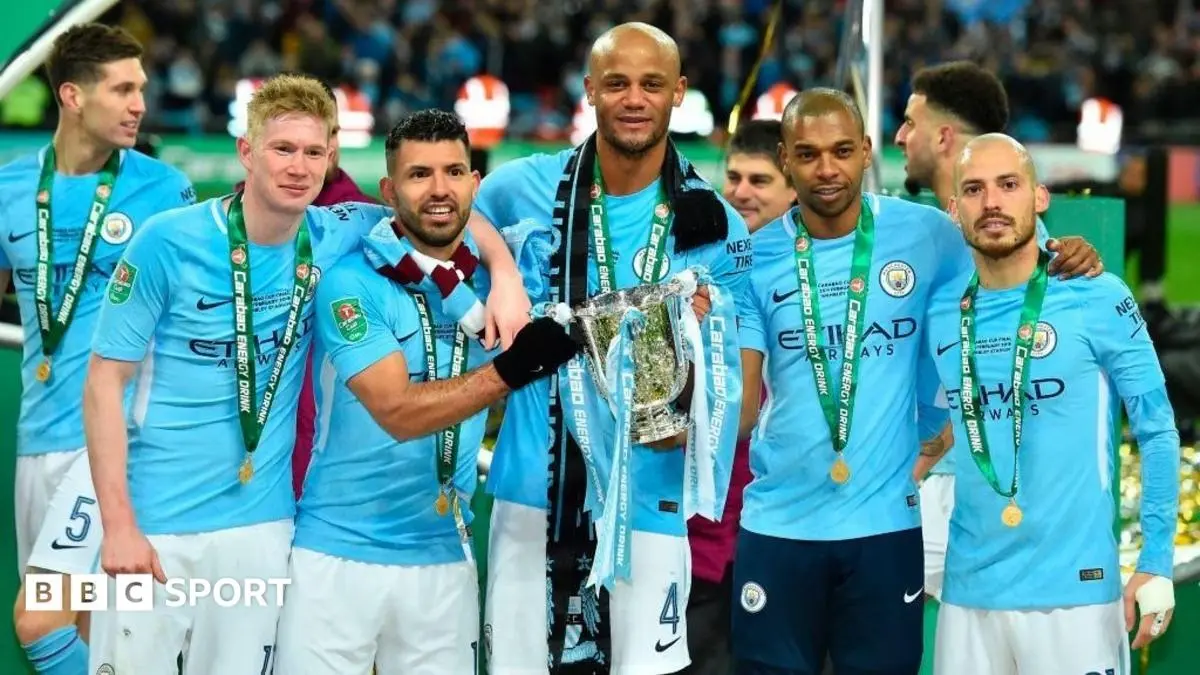
The Premier League is currently facing a crisis of integrity that threatens to reshape the modern history of English football. Following a landmark ruling, an independent commission has delivered a damning verdict, characterizing Manchester City’s financial operations during their rise to global dominance as a "concerted campaign to falsify" their financial accounts. At the heart of this controversy is a staggering figure: an extra £830 million that the commission asserts was falsely added to the club’s books. This massive artificial injection of capital did not merely give the club a competitive edge; it fundamentally altered the financial reality of English football and allowed Manchester City to build an empire that may have been mathematically impossible under normal economic constraints.
To fully understand the gravity of the commission’s findings, it is necessary to examine how modern football clubs manage their finances. A club’s revenue is not a simple pot of gold reserved exclusively for purchasing players in the transfer market. In reality, legitimate income generated from broadcast rights, matchday sales, and genuine commercial partnerships must be stretched to cover a vast and complex array of operational expenses. Beyond the headline-grabbing transfer fees, elite clubs are burdened with massive weekly wage bills, stadium utilities, extensive insurance policies, youth academy development, global marketing campaigns, community foundations, and general administrative infrastructure. When these essential operational costs are accounted for, the actual capital available for direct squad investment is heavily restricted for even the most well-run clubs.
By allegedly inflating their revenue by £830 million through falsified accounts, Manchester City bypassed these natural economic boundaries. This disputed capital acted as a massive financial cushion, effectively shielding the club from the hard choices and budgetary trade-offs that their rivals had to make. The commission’s findings strongly suggest that without this artificial financial power, the relentless accumulation of elite talent that defined City’s era of domination would have been severely compromised. Had the club’s spending power been restricted to its true, uninflated income, their transfer budget would have faced drastic, unavoidable cuts.
If we hypothetically slash that extra £830 million in half, the cascading impact on Manchester City’s squad construction becomes starkly clear. With their financial capabilities heavily reduced, the club would have been forced to make significant compromises. They may have only been able to bring in half the number of players they actually signed during this period. Alternatively, they might have signed the same volume of players, but with a dramatic reduction in quality.
This financial reality check forces a re-evaluation of the iconic squad that came to define English football. Under a restricted budget, would Manchester City have been able to secure the signatures of transformative superstars like Sergio Aguero, David Silva, Yaya Toure, or Kevin de Bruyne? These players were not just expensive acquisitions; they were world-class talents pursued by the wealthiest clubs in Europe. Securing their services required not only record-breaking transfer fees but also astronomical wage packages, agent fees, and signing-on bonuses.