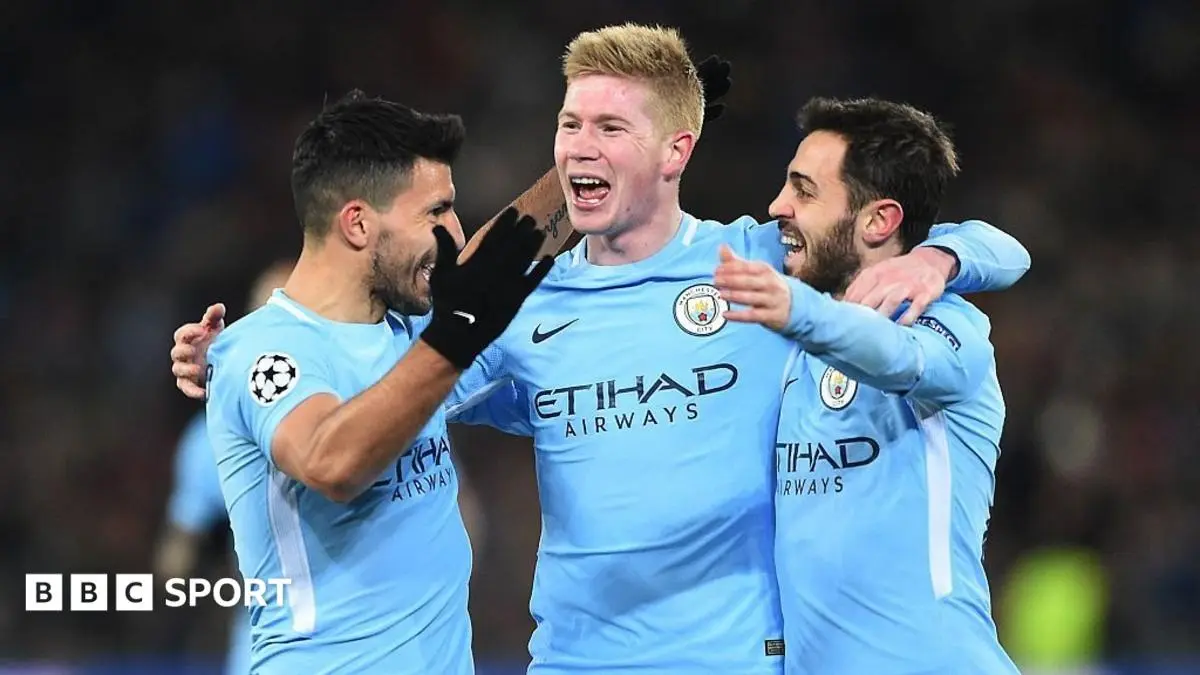
The landscape of modern football underwent a seismic shift following the influx of unprecedented investment into Manchester City. The club’s immense spending power did more than just propel them to the pinnacle of domestic and European football; it fundamentally altered the global transfer market. By demonstrating a consistent willingness to pay premium transfer fees and highly competitive wages, the Manchester club established a new financial baseline, causing player valuations and salary expectations to rise across the entire football pyramid.
However, the consequences of this financial injection were not felt solely by those buying and selling at the very top. The ripple effects of Manchester City’s spending reverberated through leagues across Europe, creating a complex web of economic dependencies and sporting challenges. For many of the clubs that received the largest windfalls from City during this era, the sudden influx of capital proved to be a double-edged sword. Once the wider football world became aware that a club possessed a significant treasury courtesy of a sale to Manchester City, negotiating favorable deals became remarkably difficult. Selling clubs routinely inflated their asking prices, knowing their negotiating partners were flush with cash, which meant that having a substantial transfer budget was far from a guarantee of successful reinvestment.
A striking example of this phenomenon can be found in the Bundesliga with Wolfsburg. Following the departure of their star playmaker Kevin De Bruyne to Manchester City, the German club found itself with a massive financial windfall but a gaping hole in their starting lineup. In an effort to replace the Belgian midfielder’s immense influence, Wolfsburg immediately reinvested a significant portion of the transfer fee. They signed highly rated winger Julian Draxler, committing approximately half of the money received for De Bruyne in 2016 to secure his services, alongside other acquisitions such as the veteran Brazilian defender Dante.
Despite these high-profile arrivals, the sporting reality on the pitch quickly deteriorated. Having lost the creative engine that had driven their success, Wolfsburg suffered a dramatic decline in fortunes. The club plummeted from a second-place finish in the Bundesliga down to eighth, before narrowly avoiding relegation to the second tier in the subsequent two seasons. The transition highlighted the immense difficulty of replacing world-class talent, even when armed with tens of millions of pounds in replacement capital.
A remarkably similar trajectory unfolded in French football with Monaco. During the mid-2010s, Monaco had built an exceptionally talented young squad that captured the Ligue 1 title and reached the semi-finals of the UEFA Champions League. However, their success inevitably attracted the attention of Europe’s wealthiest clubs, with Manchester City raiding the principality club in the same summer for two of their most influential players: full-back Benjamin Mendy and midfielder Bernardo Silva.