The landscape of modern football underwent a seismic shift following the influx of unprecedented investment into Manchester City. The club’s immense spending power did more than just propel them to the pinnacle of domestic and European football; it fundamentally altered the global transfer market. By demonstrating a consistent willingness to pay premium transfer fees and highly competitive wages, the Manchester club established a new financial baseline, causing player valuations and salary expectations to rise across the entire football pyramid.
However, the consequences of this financial injection were not felt solely by those buying and selling at the very top. The ripple effects of Manchester City’s spending reverberated through leagues across Europe, creating a complex web of economic dependencies and sporting challenges. For many of the clubs that received the largest windfalls from City during this era, the sudden influx of capital proved to be a double-edged sword. Once the wider football world became aware that a club possessed a significant treasury courtesy of a sale to Manchester City, negotiating favorable deals became remarkably difficult. Selling clubs routinely inflated their asking prices, knowing their negotiating partners were flush with cash, which meant that having a substantial transfer budget was far from a guarantee of successful reinvestment.
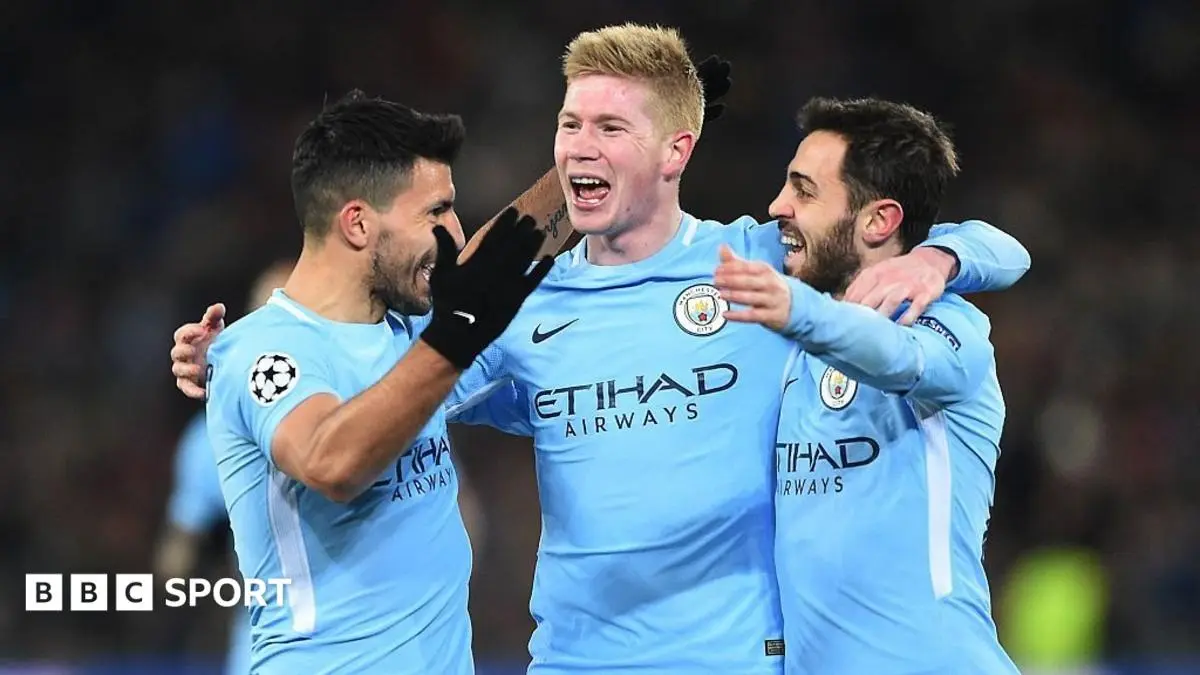
A striking example of this phenomenon can be found in the Bundesliga with Wolfsburg. Following the departure of their star playmaker Kevin De Bruyne to Manchester City, the German club found itself with a massive financial windfall but a gaping hole in their starting lineup. In an effort to replace the Belgian midfielder’s immense influence, Wolfsburg immediately reinvested a significant portion of the transfer fee. They signed highly rated winger Julian Draxler, committing approximately half of the money received for De Bruyne in 2016 to secure his services, alongside other acquisitions such as the veteran Brazilian defender Dante.
Despite these high-profile arrivals, the sporting reality on the pitch quickly deteriorated. Having lost the creative engine that had driven their success, Wolfsburg suffered a dramatic decline in fortunes. The club plummeted from a second-place finish in the Bundesliga down to eighth, before narrowly avoiding relegation to the second tier in the subsequent two seasons. The transition highlighted the immense difficulty of replacing world-class talent, even when armed with tens of millions of pounds in replacement capital.
A remarkably similar trajectory unfolded in French football with Monaco. During the mid-2010s, Monaco had built an exceptionally talented young squad that captured the Ligue 1 title and reached the semi-finals of the UEFA Champions League. However, their success inevitably attracted the attention of Europe’s wealthiest clubs, with Manchester City raiding the principality club in the same summer for two of their most influential players: full-back Benjamin Mendy and midfielder Bernardo Silva.
In response to these high-profile departures, Monaco sought to rebuild their squad by targeting direct replacements. They secured the signings of defender Terence Kongolo and forward Keita Balde. Unfortunately for the French club, these acquisitions failed to deliver the desired impact over the long term. The cohesive, high-performing squad that had challenged Europe’s elite quickly fractured. Within just two years of their historic league triumph and European run, Monaco went from the summit of French football to the brink of disaster, narrowly escaping relegation from Ligue 1. The rapid decline demonstrated that even the most astute scouting networks can struggle to rebuild when key players are stripped away simultaneously, regardless of the size of the compensation received.
Within the Premier League, Manchester City’s transfer activity also had a profound impact on their direct competitors. Between 2009 and 2018, the domestic rival from which City purchased the most players was Arsenal. Over this period, the Manchester club successfully acquired four key players from the North London side, systematically weakening a direct rival while strengthening their own squad. For Arsenal, the loss of these key assets disrupted their squad continuity and hampered their ability to sustain a serious Premier League title challenge during those years. The constant rebuilding process prevented the Gunners from matching the consistency of a rapidly ascending Manchester City.
The financial influence of Manchester City also extended to clubs with whom they had no direct transfer dealings, raising questions about competitive balance. While some clubs benefited from direct sales, others found themselves disadvantaged by the financial boost given to their immediate domestic rivals. This dynamic was particularly visible in Portugal’s Primeira Liga, where the traditional "Big Three" consists of Benfica, Porto, and Sporting.
During the era in question, Manchester City paid very similar, substantial transfer totals to both Benfica and Porto for some of their brightest talents. In contrast, Sporting received no transfer fees from the Manchester club. Throughout the period between 2009 and 2018, Sporting failed to win a domestic league title. While domestic football dominance is influenced by a multitude of sporting and structural factors, the financial disparity introduced by City’s targeted purchasing cannot be ignored. Sporting’s direct rivals received significant capital injections that might not have been available had the wider transfer market followed more stringent financial constraints, potentially compromising Sporting’s ability to compete on equal terms in the transfer market and on the pitch.
Beyond these direct and indirect club-to-club dynamics, the reach of Manchester City’s spending extended into the lower leagues of English football through the mechanism of sell-on clauses. When City purchased high-profile players from established Premier League clubs, significant portions of those fees were redirected to the smaller clubs that had originally developed the players.
In 2015, Raheem Sterling made a high-profile move from Liverpool to Manchester City. As part of the agreement from his previous transfer, Queens Park Rangers retained a sell-on clause, which resulted in the London club earning roughly £9 million from the transaction. Similarly, when Everton sold defender John Stones to Manchester City in 2016, Barnsley benefited immensely, pocketing approximately £7 million of the transfer fee due to a clause inserted when Stones originally left Oakwell. Years earlier, in 2009, Everton had also been required to pass on approximately £2.5 million to Wolverhampton Wanderers when defender Joleon Lescott completed his move to Manchester.
For clubs operating in the English Football League (EFL), these windfall payments were extraordinary. The sums received by QPR and Barnsley through the Sterling and Stones clauses were worth more than the valuation of the vast majority of individual players operating in the Championship and League One at that time. To put the scale of these figures into perspective, Barnsley have still not sold a player from their own squad for a higher fee than the amount they are believed to have received as a result of the Stones transfer to Manchester City.
These windfalls significantly strengthened the financial positions of both clubs on paper, providing them with resources that should have secured long-term stability and competitive advantages. However, the unpredictable nature of football meant that financial windfalls did not guarantee on-pitch success. Despite the massive cash injection, QPR were unable to secure a return to the Premier League, while Barnsley suffered a sporting decline, dropping down from the Championship to League One just two seasons after the Stones transfer was finalized.
Ultimately, the heavy spending by Manchester City during the period in which they were navigating financial regulations had an enormous, irreversible impact. It accelerated their own upward trajectory to become one of the dominant forces in world football, while simultaneously reshaping the destinies of numerous clubs worldwide and altering the broader football economy. The reality of modern football is that the complex web of transactions, inflated valuations, and indirect consequences created during this era is impossible to untangle. The historical narrative of the sport over the past fifteen years has been permanently reshaped, and the profound effects of that unprecedented spending will continue to reverberate across the football world for many years to come.