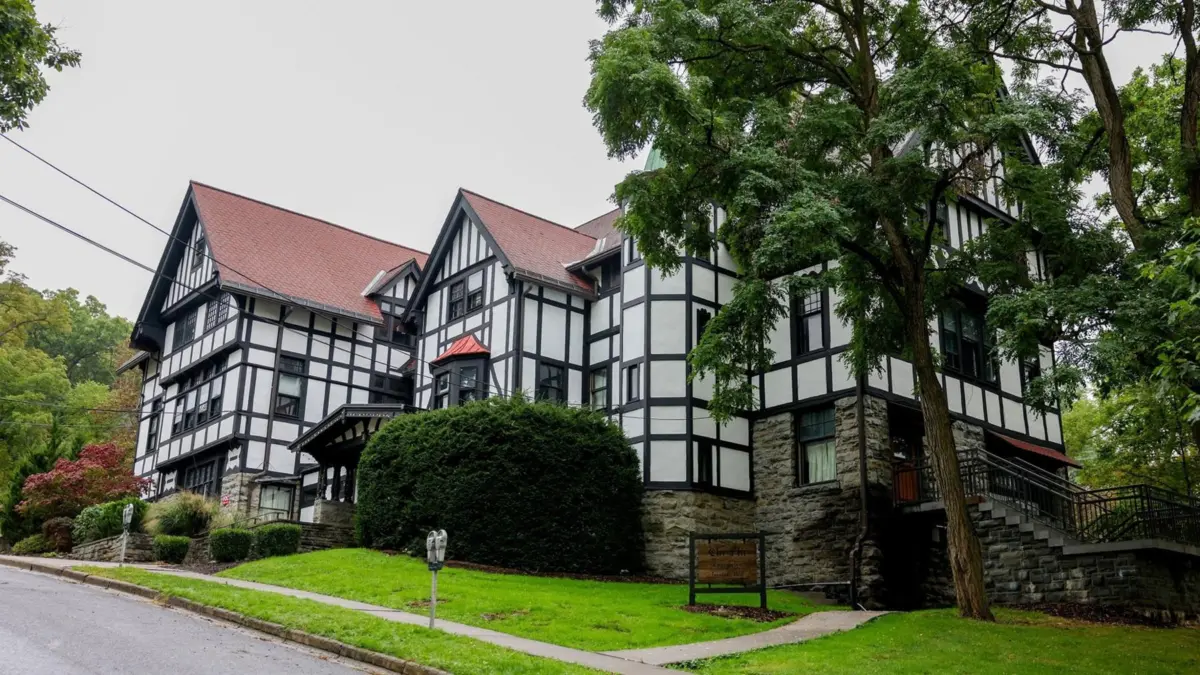
In a major legal development that has reignited campus outrage and drawn national attention to the Ivy League, New York state prosecutors have officially reopened a criminal investigation into the alleged gang rape of a female student at a Cornell University fraternity house. The decision by local authorities follows the filing of a highly publicized civil lawsuit by the survivor, identified in court documents as Jane Doe, who accuses the university of failing to protect her and failing to adequately discipline the men involved.
The case, which centers on events that took place in October 2024, has sparked intense public scrutiny, student protests, and a fierce debate over institutional accountability. Tompkins County District Attorney Matthew Van Houten announced that his office would convene a grand jury to review the evidence and determine whether criminal charges are warranted. This represents a significant reversal from the prosecutor’s initial assessment two years ago, when authorities concluded there was insufficient evidence to pursue criminal charges.
The reopening of the case comes after Jane Doe filed a sweeping, 101-page civil lawsuit on September 16, detailing a harrowing account of being drugged and assaulted by multiple members of the university’s Chi Phi fraternity. The civil suit names Cornell University, the national fraternity organization, the local chapter, and the individual men involved—who have been referred to publicly and in campus discourse as the "Cornell Seven."
For its part, Cornell University has stated that it supports presenting the case to a grand jury, while simultaneously rejecting claims that it failed to punish those involved as "false."
What does the woman allege?
According to the civil complaint, the incident occurred on the night of October 19, 2024, when Jane Doe, then a 20-year-old undergraduate student at Cornell, was allegedly subjected to an hours-long assault at the Chi Phi fraternity house in Ithaca, New York. The lawsuit alleges that Doe was heavily intoxicated and under the influence of both alcohol and the drug ketamine, leaving her physically incapacitated and entirely unable to provide legal consent.
On the evening in question, Doe had reportedly been socializing with her sorority sisters. After consuming alcohol, she became separated from her friends and, according to the lawsuit, "stumbled alone" to the nearby Chi Phi fraternity house to visit a male acquaintance. It was there, the lawsuit claims, that she was targeted and repeatedly assaulted by seven members of the fraternity.
The legal action alleges multiple causes of action, including sexual assault and battery, negligence, breach of contract, and violations of New York’s Human Rights Law. Doe’s legal team contends that the university was negligent in its duty of care to its students and breached its contractual obligations by failing to maintain a safe campus environment and failing to properly handle the reporting and disciplinary process.
The lawsuit also details the severe psychological toll the incident took on the young woman. Her attorney stated that in the immediate aftermath of the assault, Doe was "traumatised, numb and unable to function or accept the horror of what had happened." It was not until November 8, 2024, nearly three weeks after the night of the incident, that she felt able to formally report the assault to the Cornell University Police Department.
Public anger surrounding the case intensified following allegations in the lawsuit regarding how the university disciplined the accused students. According to the complaint, some of the men involved were "afforded the opportunity to mitigate their conduct by submitting essays" as part of their disciplinary process. While Doe’s attorney confirmed that two of the students were eventually expelled from the university, the perception that others received lenient, academic-style punishments fueled widespread outrage.
This outrage culminated on September 21, when the editorial board of Cornell’s student newspaper took the extraordinary step of publishing the names of the individual defendants listed in the civil lawsuit. In a scathing editorial titled "Cornell Won’t, We Will," the student journalists argued that the university’s administrative handling of the case lacked transparency and failed to hold the perpetrators publicly accountable. The publication of the names triggered a massive social media outcry and renewed pressure on both university officials and local law enforcement to take further action.