
What was in the fraternity Snapchat and text messages?
Central to both the civil lawsuit and the renewed criminal investigation is a trail of digital evidence, including group chat logs and subsequent text messages exchanged between the parties.
Among the evidence provided to prosecutors by the Cornell University Police Department in November 2024 was an image of a Snapchat group chat titled "Chi Phi Actives." In this chat, which occurred just before 2:00 a.m. local time on October 20, 2024—the night of the alleged assault—fraternity members can be seen discussing Jane Doe. Using highly vulgar and derogatory language, members of the chat alerted one another to the potential for a sexual encounter with Doe, describing it as "free."
In addition to the Snapchat logs, public attention has focused on a series of text messages reportedly exchanged between Jane Doe and one of the defendants two days after the incident. These messages, which were obtained and published by CBS News New York, paint a complex picture of the immediate aftermath.
In the text exchange, the male student appeared to apologize to Doe for the events of that night, writing that he was sorry for "how things went down." He noted that his own memory of the evening was "kinda fuzzy," adding that both he and another fraternity member felt guilty for being too intoxicated to "shut it down and kick people out before it got way out of hand."
Jane Doe’s response in the text chain reflected her own state of confusion and intoxication at the time. She replied that her memory of the night was also "super clouded" and acknowledged that they had all been highly intoxicated. In the message, she wrote that "non(e) of the sexual stuff was illegal" and indicated that she had enjoyed spending time with him and the other student. However, she also explicitly referenced the presence of other men and drugs, suggesting that they smoke together again in the future but "leave out" what she described as "the extra 5 billion men and ketamine."
How did Cornell respond?
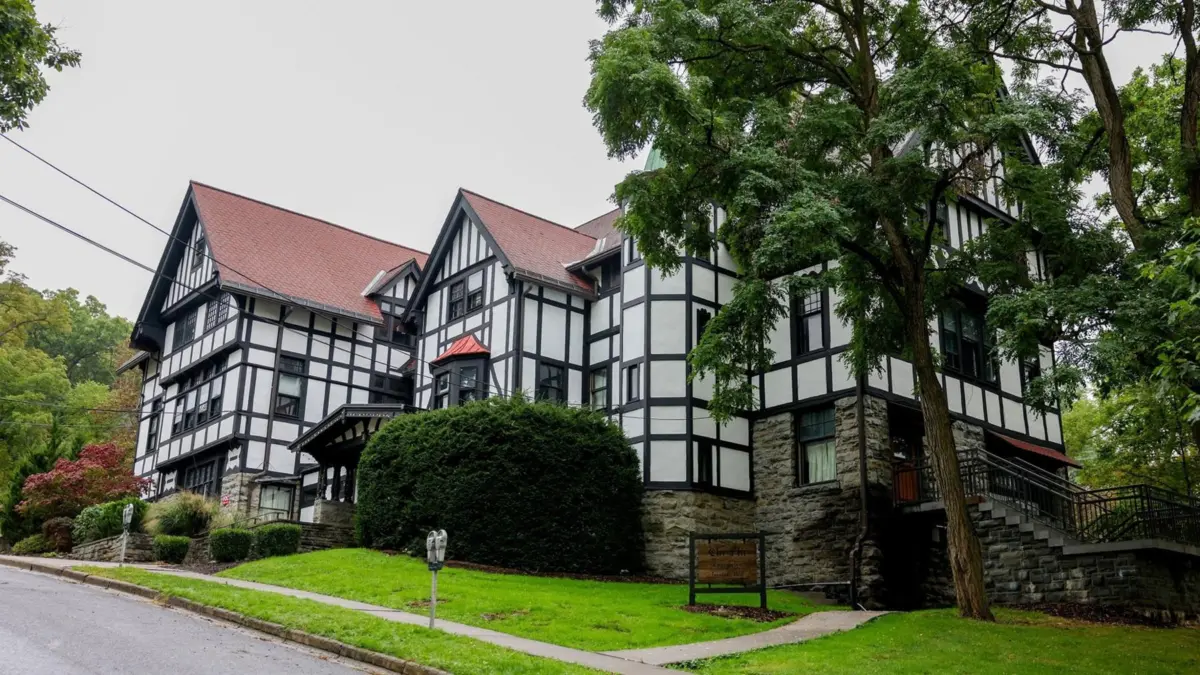
Following Jane Doe’s initial report to campus police in November 2024, Cornell University released a public statement acknowledging "serious and deeply disturbing allegations of drug abuse and sexual violence at the Chi Phi fraternity house." The university announced the immediate suspension of the local Chi Phi chapter, as well as the temporary suspension of several individual students pending further investigation.
In tandem with the campus police investigation, Cornell initiated an internal disciplinary review and a formal civil rights inquiry under Title IX—the federal law that prohibits sex discrimination and sexual misconduct in educational institutions receiving federal funding.
In the wake of the newly filed civil lawsuit, Cornell University has vigorously defended its administrative response, rejecting claims that it failed to adequately investigate the matter or punish those responsible. In a public statement, the university called the allegations that it ignored or brushed aside the assault "false."
According to the university, the case was referred to a "panel of trained faculty and staff" tasked with adjudicating student conduct violations. Cornell stated that this panel issued "a range of sanctions, which included expulsions and suspensions from Cornell."
Addressing the highly controversial claim that the accused students were allowed to write essays to mitigate their punishments, Cornell did not deny that writing assignments were part of the disciplinary outcomes. However, the administration clarified that "none of the individuals charged were offered the opportunity to write essays as a sole consequence of their involvement."