As the literary world moves deeper into the autumn of 2026, the intersection of art, technology, and global politics has become more pronounced than ever. The first full week of October has seen a surge in critical discourse, ranging from the existential threats posed by artificial intelligence to the devastating impact of war on cultural heritage. Throughout the week of October 5 to October 9, 2026, the literary community has paused to reflect not only on the historical milestones of the past—such as the birth of Nobel laureate Ivan Bunin—but also on the urgent challenges defining the contemporary creative experience.
THE BEST OF THE LITERARY INTERNET
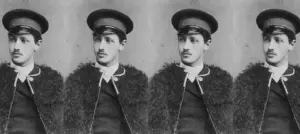
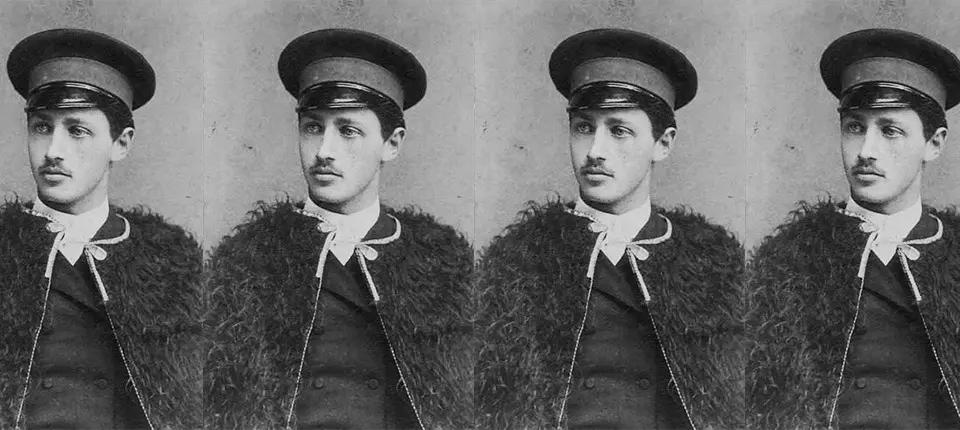
The week began with a commemoration of the 156th anniversary of the birth of Ivan Bunin. Born in 1870, Bunin remains a towering figure in Russian literature, known for the strict artistry with which he carried on the classical Russian traditions in the depiction of life. As the first Russian writer to win the Nobel Prize in Literature in 1933, his legacy provides a stark contrast to the modern digital age, reminding readers of a time when the written word was the primary medium for exploring the "soul" of a nation.
This concept of the "soul" has become a central point of contention in 2026, as the proliferation of generative artificial intelligence continues to reshape the publishing industry. In a widely discussed editorial, the literary community has begun to rally around the idea that while AI can mimic structure, syntax, and even style, the writer’s soul remains the final frontier of human creativity—the one element that cannot be replicated by an algorithm. This defense of human intuition and emotional depth comes at a time when many creators feel the pressure to compete with the speed and volume of machine-generated content.
The conversation regarding identity has also evolved significantly this week, particularly within the realm of Latinx literature. As the linguistic landscape shifts, writers and critics are examining the ever-growing list of recommendations that define the Latinx experience. This is not a static identity but a fluid one, reflected in a diverse array of voices that challenge traditional narratives. Similarly, the exploration of "trans poetics" has highlighted what some call the "failure of language"—the inherent difficulty of using established linguistic structures to describe the nuances of trans becoming and existence. These discussions underscore a broader movement within the literary world to expand the boundaries of how identity is expressed and understood.
Indigenous voices have also taken center stage, specifically through the lens of being an Anishinaabe poet in a world often dominated by fiction writers. The nuances of storytelling across genres reveal the unique pressures placed on Indigenous creators to conform to certain market expectations, while they simultaneously work to preserve their cultural traditions through verse. This tension between genre expectations and cultural authenticity remains a vital topic for writers navigating the modern industry.
The political climate of 2026 has cast a long shadow over the week’s literary output. With the American midterm elections approaching, commentators have drawn chilling parallels between current political trends and the electoral victory of 1933 that dismantled German democracy. These historical comparisons serve as a warning of how quickly democratic institutions can be eroded. This sense of political urgency is mirrored in global reporting, particularly regarding the "political convulsions" in Brazil and what they reveal about the rise of the global far-right.