As the literary world moves deeper into the autumn of 2026, the intersection of art, technology, and global politics has become more pronounced than ever. The first full week of October has seen a surge in critical discourse, ranging from the existential threats posed by artificial intelligence to the devastating impact of war on cultural heritage. Throughout the week of October 5 to October 9, 2026, the literary community has paused to reflect not only on the historical milestones of the past—such as the birth of Nobel laureate Ivan Bunin—but also on the urgent challenges defining the contemporary creative experience.
THE BEST OF THE LITERARY INTERNET
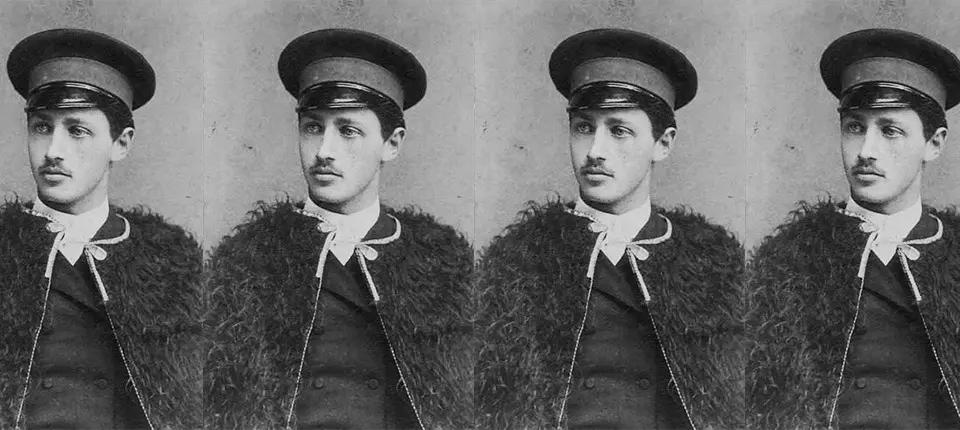
The week began with a commemoration of the 156th anniversary of the birth of Ivan Bunin. Born in 1870, Bunin remains a towering figure in Russian literature, known for the strict artistry with which he carried on the classical Russian traditions in the depiction of life. As the first Russian writer to win the Nobel Prize in Literature in 1933, his legacy provides a stark contrast to the modern digital age, reminding readers of a time when the written word was the primary medium for exploring the "soul" of a nation.
This concept of the "soul" has become a central point of contention in 2026, as the proliferation of generative artificial intelligence continues to reshape the publishing industry. In a widely discussed editorial, the literary community has begun to rally around the idea that while AI can mimic structure, syntax, and even style, the writer’s soul remains the final frontier of human creativity—the one element that cannot be replicated by an algorithm. This defense of human intuition and emotional depth comes at a time when many creators feel the pressure to compete with the speed and volume of machine-generated content.
The conversation regarding identity has also evolved significantly this week, particularly within the realm of Latinx literature. As the linguistic landscape shifts, writers and critics are examining the ever-growing list of recommendations that define the Latinx experience. This is not a static identity but a fluid one, reflected in a diverse array of voices that challenge traditional narratives. Similarly, the exploration of "trans poetics" has highlighted what some call the "failure of language"—the inherent difficulty of using established linguistic structures to describe the nuances of trans becoming and existence. These discussions underscore a broader movement within the literary world to expand the boundaries of how identity is expressed and understood.
Indigenous voices have also taken center stage, specifically through the lens of being an Anishinaabe poet in a world often dominated by fiction writers. The nuances of storytelling across genres reveal the unique pressures placed on Indigenous creators to conform to certain market expectations, while they simultaneously work to preserve their cultural traditions through verse. This tension between genre expectations and cultural authenticity remains a vital topic for writers navigating the modern industry.
The political climate of 2026 has cast a long shadow over the week’s literary output. With the American midterm elections approaching, commentators have drawn chilling parallels between current political trends and the electoral victory of 1933 that dismantled German democracy. These historical comparisons serve as a warning of how quickly democratic institutions can be eroded. This sense of political urgency is mirrored in global reporting, particularly regarding the "political convulsions" in Brazil and what they reveal about the rise of the global far-right.
The physical cost of war on literature has also been a sobering theme this week. Reports from Ukraine detail how the ongoing conflict with Russia has led to the systematic destruction of Ukrainian books and libraries. Oleksandr Mykhed’s accounts of losing literature to Russian bombs serve as a reminder that the war is not only a battle for territory but a war against culture and memory. This theme of systemic violence is echoed in domestic critiques of the United States’ deportation machinery, which some authors are now framing as an "undocumented war," highlighting the machinery of violence that operates often out of the public eye.
In the realm of environmental activism, the discourse has shifted toward a more pragmatic, long-term view. Bill McKibben, a leading voice in climate advocacy, has emphasized that climate activism is a "long, slow process" that requires a deep commitment to democracy and a sustained struggle for the earth. This perspective suggests that the "quick fix" mentality of the past is being replaced by a more resilient, generational approach to environmental protection.
Despite these heavy themes, the week also offered moments of intimate reflection and celebration of craft. Barbara Kingsolver, one of the most respected voices in American letters, shared a glimpse into her creative process, explaining her preference for writing while standing up. This physical engagement with the act of writing reflects a broader trend of authors seeking ways to remain grounded and energized in their work. Similarly, Lydia Millet’s discussion of her "double novel" of grief and loss highlights the capacity of fiction to process the most difficult of human emotions.
The craft of fiction was further explored by Adam Wilson, who offered a humorous yet insightful take on the importance of character and plot, famously declaring that he would "never write a Yankees fan"—a nod to the specificities and biases that give a writer’s work its unique flavor. Deesha Philyaw also contributed to the conversation on craft, focusing on the power of "raising the stakes" to transform a narrative from a "dud to delicious."
Historical perspectives on the roles of women in literature and society were also prominent. The influence of feminist activist Robin Morgan on the legacy of Sylvia Plath was revisited, showing how Morgan’s advocacy helped preserve Plath’s work for future generations. The cycle of life and death in Plath’s own work remains a subject of intense study, proving that her voice continues to resonate decades after her passing. In a different vein, the history of iconic women spies in comics and the real-life role of army librarians during World War II provided a look at how women have shaped both fictional and historical narratives of conflict.
The importance of literary community and the roles played by those behind the scenes were not overlooked. The relationship between Jean Echenoz and his publisher, Jérôme Lindon, served as a case study in the vital partnership between writer and editor. This was complemented by an examination of the editor’s role in shaping the very relationship between the reader and the writer, suggesting that the "invisible hand" of the editor is more crucial than ever in an era of rapid content consumption.
As the Frankfurt Book Fair unfolded, the social side of the literary world was on display, including scenes from the prestigious Heinrich Maria Ledig-Rowohlt translation prize dinner, often cited as the "best dinner" at the fair. Such events serve as a reminder of the international nature of the book trade and the enduring importance of translation in bridging cultural divides.
In terms of market trends, the week’s Independent Press Top 40 Bestsellers for both fiction and nonfiction provided a snapshot of what readers are currently gravitating toward. Independent presses continue to be a vital source of innovation, often taking risks on voices and subjects that larger houses might overlook. This is reflected in the diverse range of topics covered in the "5 book reviews you need to read this week," which serves as a guide for readers navigating an increasingly crowded marketplace.
Personal essays and memoirs also provided some of the week’s most poignant moments. Nafissa Thompson-Spires shared a remarkable account of how being electrocuted by a lightning strike fundamentally altered her identity and the development of her main characters. Kristen Millares Young offered a deep dive into the complexities of motherhood and marriage, while other writers explored the "great grey area" of recognition and estrangement within queer families.
The week concluded with a look back at iconic cultural moments, such as Whitney Houston’s legendary performance at Super Bowl XXV, and a visit to Toronto that captured the city’s intimate connection to authors like Margaret Atwood and Paul Theroux. These cultural touchstones provide a sense of continuity in a world that often feels fragmented.
Finally, the literary world revisited Alice Elliott Dark’s "In the Gloaming," with a new afterword that reflects on the enduring power of her storytelling. Whether through poetry, like Patricia Lockwood’s "Sensual Songs for Eight-Year-Olds," or through rigorous political analysis, the week of October 5-9, 2026, has demonstrated that literature remains a vital, breathing entity. It continues to be the primary space where society grapples with its history, its present crises, and its uncertain future, proving that even in an age of AI and global upheaval, the human voice remains irreplaceable.