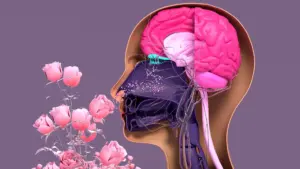
A breakthrough in neurotechnology developed by researchers at UNSW Sydney is offering a glimpse into a future where chronic nerve pain is managed not with powerful pharmaceuticals, but through the power of the mind and interactive gaming. The technology, known as PainWaive, utilizes an innovative "brain-training" system that teaches individuals how to consciously alter their own brain waves, providing a potential drug-free alternative for those suffering from debilitating neuropathic pain.
The PainWaive project is the culmination of years of interdisciplinary collaboration at UNSW Science and Neuroscience Research Australia (NeuRA). Led by Professor Sylvia Gustin and Dr. Negin Hesam-Shariati from UNSW Sydney’s NeuroRecovery Research Hub, the team has successfully developed a non-invasive, in-home treatment designed to regulate the abnormal brain activity that characterizes chronic nerve pain. Recent findings from a pilot trial, published in the Journal of Pain, suggest that this interactive approach could provide relief comparable to, or even exceeding, the efficacy of traditional opioid medications.
Neuropathic pain, often described as a burning, stabbing, or electric shock-like sensation, is notoriously difficult to treat. It arises from damage or disease affecting the somatosensory nervous system, and for many patients, the condition is chronic and resistant to standard painkillers. The current reliance on opioids to manage such pain has long been a concern for healthcare providers due to the risks of dependency, side effects, and the escalating global opioid crisis. The development of PainWaive represents a significant shift toward a neuromodulation-based approach that targets the root neurological causes of pain rather than merely masking the symptoms.
The scientific foundation of PainWaive is rooted in the seminal research of Professor Sylvia Gustin, who has spent years investigating the structural and functional changes in the brain associated with neuropathic pain. Her work has specifically highlighted the role of the thalamus—a critical structure deep within the brain that acts as a central relay hub for sensory information. In individuals with chronic nerve pain, the thalamus often fails to communicate effectively with other regions, creating a feedback loop of persistent pain signals.
According to Professor Gustin, the brainwaves of those living with neuropathic pain exhibit a distinct and measurable signature. "The brainwaves of people with neuropathic pain show a distinct pattern: more slow theta waves, fewer alpha waves, and more fast, high beta waves," she explains. This imbalance is believed to disrupt the dialogue between the thalamus and the sensory-motor cortex, the area of the brain responsible for registering and processing physical sensations. "I wondered, can we develop a treatment that directly targets and normalises these abnormal waves?" Gustin says.
PainWaive was designed to do exactly that. The system consists of a custom-engineered EEG (electroencephalogram) headset and a tablet preloaded with a specialized gaming application. As users play the game, the headset monitors their brain activity in real time. The game is programmed to respond dynamically to the user’s brainwave patterns; it provides positive feedback and progresses only when the user successfully shifts their brain activity toward a more "normal" or balanced state—specifically by increasing alpha waves and reducing the problematic theta and beta waves.