As the final week of September 2026 unfolds, the literary community finds itself at a unique intersection of historical remembrance and contemporary introspection. From the foundational legacies of early 20th-century editors to the urgent digital anxieties of the modern age, the current discourse reflects a world grappling with its own perspective, history, and the very language used to define the human experience.
THE BEST OF THE LITERARY INTERNET
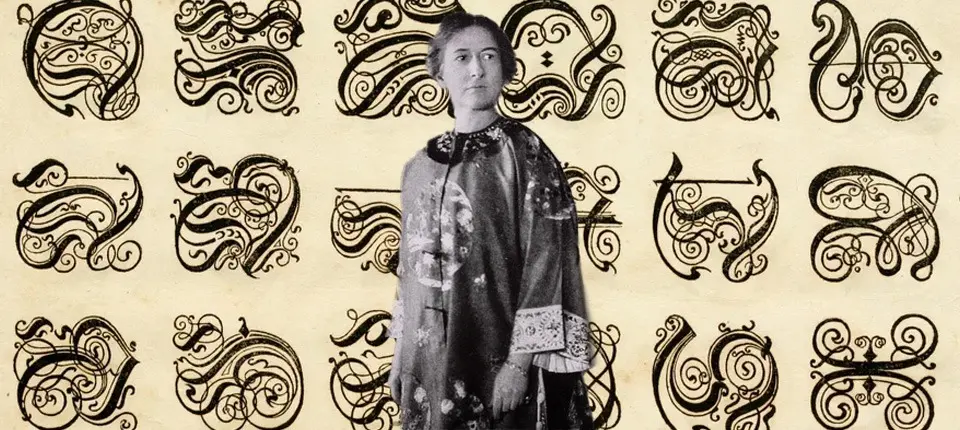
The week’s literary landscape is shadowed by a significant anniversary in the world of American letters. Today marks the day in 1936 when Harriet Monroe, the pioneering founding publisher and longtime editor of Poetry magazine, passed away. Monroe’s contribution to the arts cannot be overstated; she was a woman who essentially built a platform for Modernism when the established literary world was still looking backward. By founding Poetry in Chicago in 1912, she provided the first home for some of the most influential voices of the century, including T.S. Eliot, Ezra Pound, and Wallace Stevens. Her death in Peru at the age of 75, while traveling to a P.E.N. conference, marked the end of an era, but as this week’s literary roundup suggests, the "Open Door" policy she championed—a commitment to publishing the best poetry of the time regardless of its style or school—remains a guiding light for the industry.
In the spirit of Monroe’s intellectual openness, the current literary conversation has turned toward the dangers of intellectual stagnation. Theoretical physicist Carlo Rovelli has recently contributed to this dialogue, warning against the psychological and philosophical traps of getting stuck within one’s own limited conceptual framework. Rovelli, known for his ability to bridge the gap between complex science and humanistic inquiry, argues that the most significant breakthroughs—both in physics and in life—occur only when we are willing to question the very structures through which we view reality. This theme of expanding one’s perspective is echoed in a series of new works that challenge the sterile, often dehumanizing language of the modern state.
A significant focus this week has been placed on the "archive" and how it interacts with human identity. Literary critics are highlighting eight new books that attempt to "wrest humanity back" from the cold, clinical language of bureaucracy. These works examine how official records, census data, and legal documents often flatten the vibrant, messy reality of human lives into mere statistics or categories. By reclaiming these narratives, writers are demonstrating that the "record" is not a neutral space, but a battlefield where the human spirit must constantly fight for recognition.
This struggle for representation and inclusivity is also manifesting in popular genre fiction. The impact of works like Heated Rivalry continues to be felt as readers and critics discuss how queer narratives are reimagining the future of traditionally conservative spaces, such as the National Hockey League (NHL). By imagining a more inclusive future for professional sports, these writers are not just providing entertainment; they are performing a cultural intervention, suggesting that the "old guard" of athletic masculinity is ripe for a more diverse and authentic evolution.
The physical world, too, is receiving renewed attention, particularly through the lens of preservation and craftsmanship. Recent essays on masonry and the beauty found in a simple block of stone remind us of the permanence of physical labor in an increasingly digital world. This fascination with the tangible extends to the secrets of old buildings. Explorations into the hidden histories of ancient structures reveal that architecture is a living record, keeping secrets that only those with a keen eye for detail and a respect for the past can unlock.