As the second week of October 2026 unfolds, the literary world finds itself at a profound crossroads, grappling with the rapid evolution of technology, the shifting sands of global politics, and the enduring legacy of the written word. In its latest weekly digest, Lit Hub offers a comprehensive survey of the "Best of the Literary Internet," providing a curated look at the most pressing conversations currently shaping the world of letters. From the 156th anniversary of a Nobel laureate’s birth to the existential questions posed by artificial intelligence, the current discourse reflects a community deeply engaged with both the ghosts of the past and the uncertainties of the future.
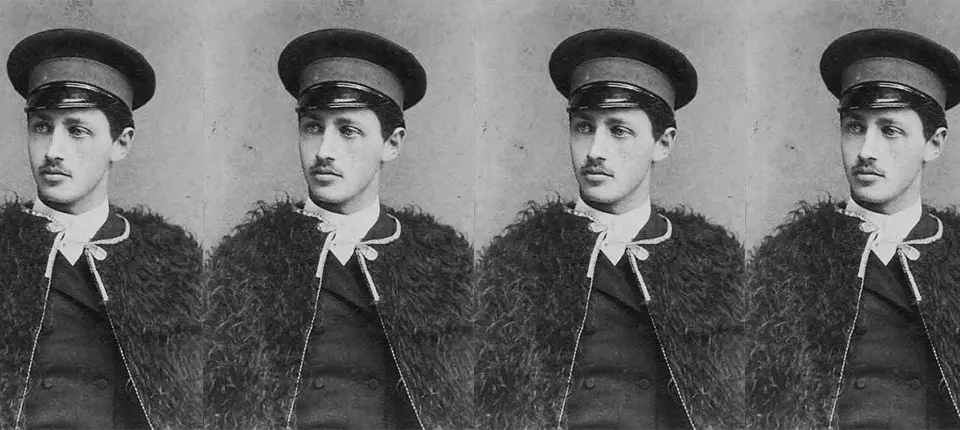
The week began with a significant historical milestone: the birthday of Ivan Bunin, born in 1870. As the first Russian writer to receive the Nobel Prize in Literature, Bunin remains a towering figure whose work—characterized by its strict artistry and classical leanings—continues to resonate. His birth anniversary serves as a poignant reminder of the longevity of the literary tradition, standing in stark contrast to the modern anxieties regarding the "soul" of writing in the 21st century.
THE BEST OF THE LITERARY INTERNET
A central theme of the week’s reflections involves the encroachment of artificial intelligence into the creative sphere. As generative models become increasingly sophisticated, a consensus is forming among practitioners that the writer’s soul remains the ultimate frontier—the one element that cannot be replicated by algorithms. This defense of human interiority is not merely a rejection of technology, but a deeper exploration of what it means to create. It suggests that while machines can mimic style and structure, they lack the lived experience and the "ghost in the machine" that allows a reader to connect with a text on a spiritual level.
This focus on the human element extends into the realm of identity and language. The literary community continues to examine the shifting terminology of Latinx identity, a conversation that highlights the fluidity of cultural markers and the ways in which literature acts as a repository for these changes. This is echoed in the exploration of "trans poetics" and what some scholars are calling the "failure of language" to fully encapsulate the trans experience. By pushing the boundaries of what words can convey, writers are seeking new modes of expression that bypass traditional linguistic limitations.
The preservation of legacy also emerged as a significant topic, particularly regarding the work of Sylvia Plath. New insights into the influence of feminist activist Robin Morgan have shed light on how Plath’s literary estate and public image were shaped in the decades following her death. Further analysis of Plath’s work this week has moved beyond the biographical to focus on the intricate cycles of life and death that form the core of her poetry. This renewed interest in Plath is part of a broader trend of revisiting "unsung" or misinterpreted classics, such as Ettie Stettheimer’s 100-year-old novel Love Days, which offers a window into the intellectual life of a bygone New York.