As the second week of October 2026 unfolds, the literary world finds itself at a profound crossroads, grappling with the rapid evolution of technology, the shifting sands of global politics, and the enduring legacy of the written word. In its latest weekly digest, Lit Hub offers a comprehensive survey of the "Best of the Literary Internet," providing a curated look at the most pressing conversations currently shaping the world of letters. From the 156th anniversary of a Nobel laureate’s birth to the existential questions posed by artificial intelligence, the current discourse reflects a community deeply engaged with both the ghosts of the past and the uncertainties of the future.
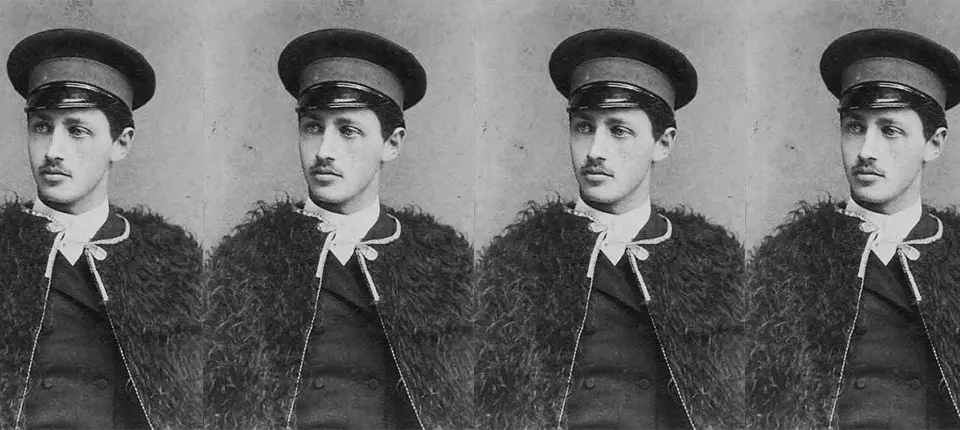
The week began with a significant historical milestone: the birthday of Ivan Bunin, born in 1870. As the first Russian writer to receive the Nobel Prize in Literature, Bunin remains a towering figure whose work—characterized by its strict artistry and classical leanings—continues to resonate. His birth anniversary serves as a poignant reminder of the longevity of the literary tradition, standing in stark contrast to the modern anxieties regarding the "soul" of writing in the 21st century.
THE BEST OF THE LITERARY INTERNET
A central theme of the week’s reflections involves the encroachment of artificial intelligence into the creative sphere. As generative models become increasingly sophisticated, a consensus is forming among practitioners that the writer’s soul remains the ultimate frontier—the one element that cannot be replicated by algorithms. This defense of human interiority is not merely a rejection of technology, but a deeper exploration of what it means to create. It suggests that while machines can mimic style and structure, they lack the lived experience and the "ghost in the machine" that allows a reader to connect with a text on a spiritual level.
This focus on the human element extends into the realm of identity and language. The literary community continues to examine the shifting terminology of Latinx identity, a conversation that highlights the fluidity of cultural markers and the ways in which literature acts as a repository for these changes. This is echoed in the exploration of "trans poetics" and what some scholars are calling the "failure of language" to fully encapsulate the trans experience. By pushing the boundaries of what words can convey, writers are seeking new modes of expression that bypass traditional linguistic limitations.
The preservation of legacy also emerged as a significant topic, particularly regarding the work of Sylvia Plath. New insights into the influence of feminist activist Robin Morgan have shed light on how Plath’s literary estate and public image were shaped in the decades following her death. Further analysis of Plath’s work this week has moved beyond the biographical to focus on the intricate cycles of life and death that form the core of her poetry. This renewed interest in Plath is part of a broader trend of revisiting "unsung" or misinterpreted classics, such as Ettie Stettheimer’s 100-year-old novel Love Days, which offers a window into the intellectual life of a bygone New York.
The socio-economic dimensions of literature were also at the forefront of the week’s reviews. A curated list of nine novels about being "the poorest person in the room" struck a chord in a year marked by economic volatility. These works highlight the psychological toll of class disparity and the unique perspective of those who exist on the margins of affluent spaces. Such narratives serve as a vital counterpoint to more traditional literary themes, grounding the art form in the material realities of its readers.
On the technical side of the craft, several prominent authors shared their unique processes and philosophies. Barbara Kingsolver, a mainstay of contemporary American fiction, revealed a surprising detail about her routine: she writes standing up. This physical engagement with the act of writing reflects a broader trend of authors seeking ways to remain grounded and active during the long hours of creation. Meanwhile, Lydia Millet engaged in a deep-dive conversation about the challenges of writing a "double novel" centered on the themes of grief and loss, demonstrating how structure can be used to mirror the fragmentation of the human psyche.
Other writers shared how personal trauma and physical experiences have informed their work. Nafissa Thompson-Spires recounted the profound impact of being struck by lightning, an event that fundamentally altered her sense of identity and, by extension, the development of her main characters. Kristen Millares Young offered a candid look at the intersections of motherhood and marriage, while Adam Wilson provided a more lighthearted but equally serious take on craft, noting that he would "never write a Yankees fan" as he discussed the relationship between plot and concept.
The global political landscape has cast a long shadow over the literary world this October. One of the most sobering reports of the week detailed the ongoing destruction of Ukrainian books and libraries by Russian forces. The war, which has seen the literal bombing of literature, is being framed not just as a territorial conflict, but as a systematic attempt to erase a culture’s memory. This theme of state-sponsored violence is further explored in a searing critique of America’s "deportation machine," which the author characterizes as an undocumented war conducted through machinery and bureaucracy.
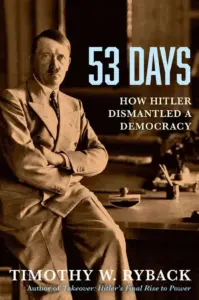
The rise of the far-right remains a point of intense scrutiny, with analysts looking toward Brazil’s political convulsions to understand global trends. Most strikingly, some historians are drawing direct parallels between the electoral victory of Adolf Hitler on March 5, 1933, and the atmosphere surrounding the 2026 American midterms. These comparisons serve as a stark warning about the fragility of democracy and the role of literature and history in identifying the warning signs of authoritarianism.
Environmental activism also remains a priority for the literary community. Bill McKibben, a leading voice in climate advocacy, spoke this week about the "long, slow process" of activism and the ongoing struggle for the earth. His insights suggest that while the climate crisis is urgent, the work of changing hearts and minds—and policies—requires a sustained, marathon-like effort.
Even in the face of these heavy themes, the literary internet found space for intimacy and celebration. A visit to Toronto revealed the "forgiving" nature of the city through the eyes of Paul Theroux, while Patricia Lockwood shared a new poem, "Sensual Songs for Eight-Year-Olds," bringing her signature wit and linguistic playfulness to the week’s offerings. The week also featured a look at the "best dinner" at the Frankfurt Book Fair—the Heinrich Maria Ledig-Rowohlt Translation Prize dinner—reminding readers of the social and communal bonds that sustain the publishing industry.
The industry itself was the subject of several meta-commentaries. The role of the editor in shaping the relationship between the reader and the writer was examined, emphasizing that the finished book is often the result of a delicate, collaborative partnership. This was highlighted in a retrospective on the relationship between French writer Jean Echenoz and his publisher, Jérôme Lindon. Furthermore, the week saw the release of the Independent Press Top 40 Bestsellers for both fiction and nonfiction, providing a snapshot of what readers are actually buying and supporting outside of the major corporate publishing houses.
From the history of iconic women spies in comics to the story of an army librarian who brought books to the front lines of World War II, the week’s digest underscores a fundamental truth: literature is not an isolated pursuit. It is inextricably linked to our history, our politics, and our physical lives. Whether it is through an Anishinaabe poet navigating a fiction-dominated world or the "confident complexity" of a Whitney Houston performance at the Super Bowl, the stories we tell define who we are.
As the literary world moves forward into the final months of 2026, these conversations suggest a community that is both protective of its traditions and brave enough to confront the challenges of a rapidly changing world. The soul of the writer, as Lit Hub notes, remains the one thing that cannot be replicated—and in a world of AI and political upheaval, it may be the one thing we need most.