A mid-air crisis aboard a Flydubai flight traveling from the United Arab Emirates to Israel was triggered by a co-pilot who launched a violent assault on the aircraft’s captain using a cockpit crash axe, according to official statements from the UAE Prosecutor General. The harrowing incident, which occurred high above the Middle East, briefly sent the passenger jet into a terrifying, uncontrolled descent before the combined efforts of the wounded pilot and a group of courageous passengers managed to subdue the attacker, ultimately preventing a catastrophic aviation disaster.
The flight, which departed from Dubai International Airport bound for Tel Aviv’s Ben Gurion Airport, was carrying more than 170 passengers and crew members. Approximately two and a half hours into what should have been a routine journey, the aircraft suddenly and violently plunged 17,000 feet (approximately 5,200 meters) from its cruising altitude. The rapid drop sparked widespread panic in the cabin as the plane’s flight systems registered a severe emergency, leaving those on board to fear the worst as the aircraft hurtled toward the ground.
The weapon used in the cockpit assault had initially been a point of intense speculation and confusion. Early accounts from passengers on board suggested that the attacker may have been armed with a knife, raising urgent security questions about how a weapon could have been smuggled onto such a highly sensitive and heavily secured international flight path. However, the UAE Attorney General, Hamad Saif Al Shamsi, later clarified to state media that the weapon used was actually a crash axe. Crash axes are standard safety equipment mandated on commercial aircraft, typically kept securely inside the cockpit to be used by flight crews in the event of emergencies, such as escaping a damaged cabin or accessing electrical panels behind interior walls. Because the weapon was already present within the secure flight deck, the attacker did not need to bypass airport security checkpoints with a weapon.
The terrifying sequence of events began to unfold deep into the flight. As the aircraft suddenly pitched downward, the cockpit transponder broadcasted a "squawk 7700" code, which is the international signal for a general emergency. Shortly thereafter, the signal was changed to "squawk 7500," the specific transponder code used to report "unlawful interference" or a hijacking in progress. This signal immediately alerted regional air traffic control towers that a struggle for control was occurring on board the aircraft.
Passengers inside the cabin described a scene of sudden, violent motion and absolute terror. Almog Itali, one of the passengers on the flight, recalled the exact moment he realized the aircraft was in grave danger. In an interview, Itali described the sensation as being akin to a malfunctioning amusement park ride. He noted that the airplane suddenly began to drop rapidly, creating a massive, crushing G-force that pinned passengers to their seats. According to Itali, the aircraft fell precipitously for about 20 to 30 seconds before momentarily balancing out, only to begin another rapid, steep descent. It was during this second terrifying drop that passengers realized a crisis was occurring at the front of the plane and began rushing toward the cockpit door.
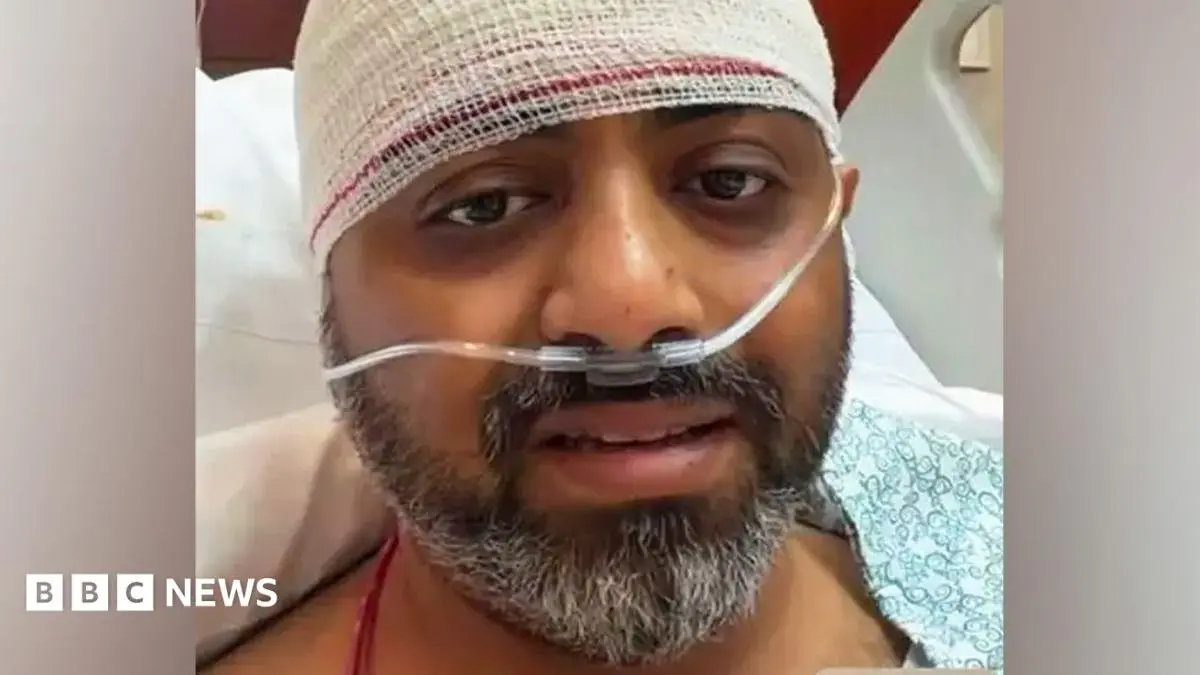
Inside the cockpit, the flight’s captain, Smit Machchhar, was fighting for his life. Having been severely injured and stabbed during the initial onslaught by his co-pilot, Captain Machchhar was lying on the cockpit floor, bleeding and physically weakened. Despite his critical injuries, the captain remained conscious enough to realize that the aircraft was rapidly losing altitude and that he had to take immediate action to save the lives of everyone on board. Recalling the life-or-death struggle, Captain Machchhar explained that he told himself he had to muster one last physical push to unlock and open the armored cockpit security door from the inside. This final, exhausting effort succeeded, allowing the passengers who had gathered outside in the galley to breach the flight deck and intervene.