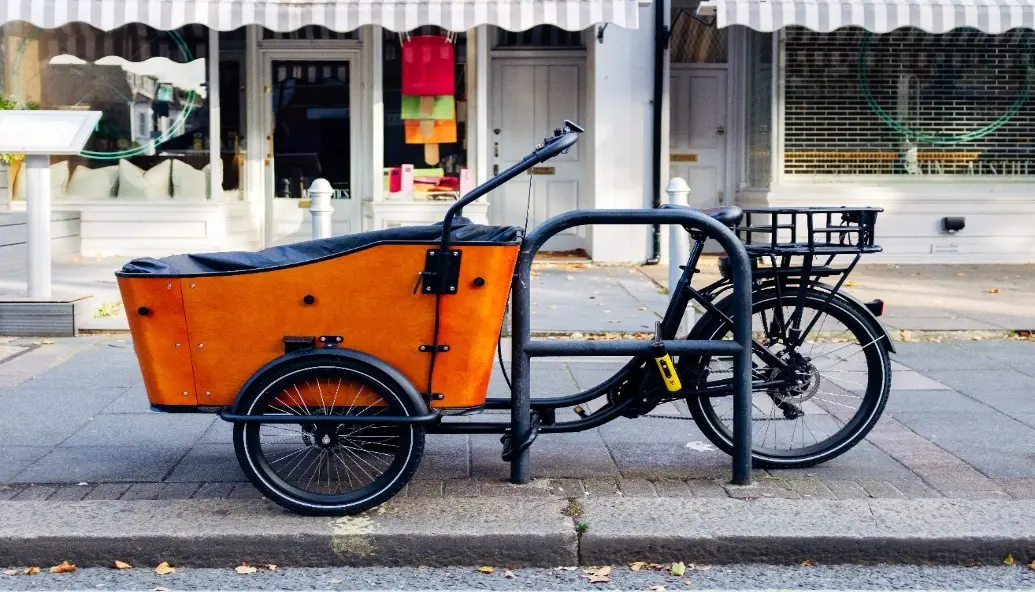
The growth in cargo bike usage is most pronounced in inner London, where the data indicates a staggering 149% increase over the three-year period ending in 2025. This localized spike reflects the specific operational advantages that cargo bikes offer in high-density urban environments. Unlike traditional delivery vans, cargo bikes are often able to bypass gridlock by utilizing London’s expanding network of cycle lanes and low-traffic neighborhoods. For many businesses, from independent local retailers to major multinational couriers, the transition to cargo bikes is not merely an environmental choice but a pragmatic response to the inefficiencies of traditional motoring in a metropolis where average traffic speeds have remained stubbornly low. These vehicles are increasingly being utilized to transport everything from perishable groceries and pharmaceutical supplies to construction tools and heavy parcels, proving that the "last mile" of delivery—the final and often most expensive leg of the supply chain—can be managed effectively without the need for a large, heavy vehicle.
Despite these encouraging figures, the sheer volume of diesel vans on London’s roads remains a significant obstacle to the city’s air quality and climate goals. The figure of 100,761 diesel vans represents a milestone that many environmental advocates hoped would never be reached, especially given the expansion of the Ultra Low Emission Zone (ULEZ) and other initiatives designed to disincentivize the use of high-polluting vehicles. The persistence of the diesel fleet suggests that while some sectors are moving toward electrification or cycle-based logistics, others remain tethered to traditional fuels. This may be due to a variety of factors, including the perceived lack of charging infrastructure for electric light commercial vehicles, the initial capital costs of fleet replacement, or a lack of regulatory pressure specifically targeted at the freight sector. Recent market volatility has also played a role, with industry analysts previously warning that diesel prices could potentially reach £2 per litre, a factor that should theoretically drive businesses toward alternatives but has yet to result in a mass exodus from the internal combustion engine.
To highlight this tension and showcase the viability of cleaner alternatives, a major public demonstration is scheduled for September 30th. Dubbed "The Cruise," the event will see more than 50 cargo bikes sweep through the heart of central London in a coordinated display of modern logistics. Organised by a coalition including Team London Bridge, Clean Cities, and the consultancy MP Smarter Travel, the ride is designed to serve as a highly visible proof of concept. It aims to demonstrate to policymakers, business owners, and the general public that the infrastructure and technology required to transform urban freight already exist and are being used successfully by a growing number of pioneers. By parading a diverse range of cargo bikes through some of the city’s most iconic streets, the organizers hope to shift the narrative from cargo bikes being a niche alternative to them being recognized as a central pillar of London’s future transport strategy.