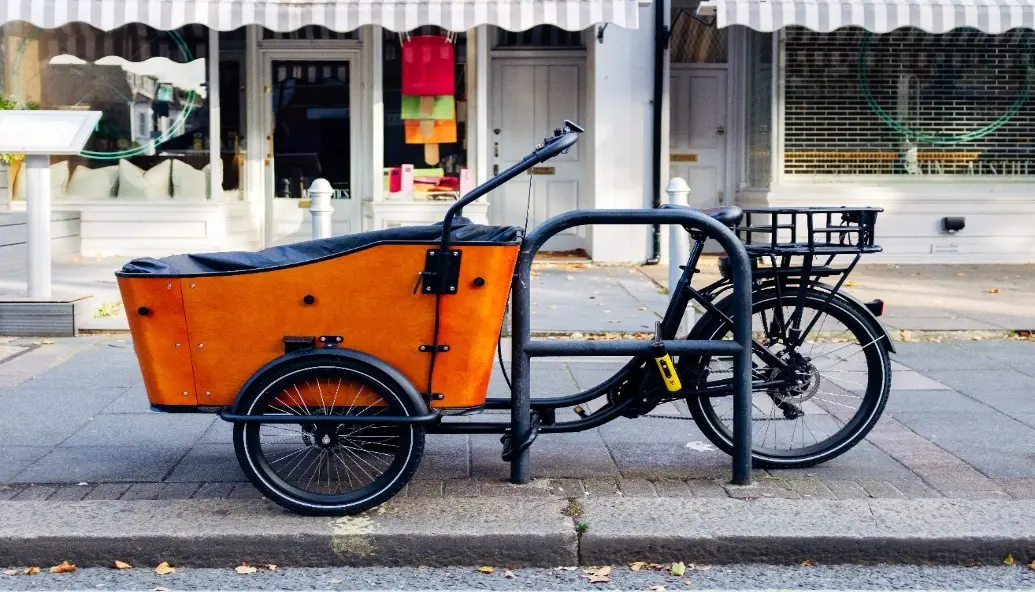
The broader context of the UK’s industrial transition also provides a backdrop to this local struggle. Across the country, different sectors are experimenting with various forms of decarbonization. For instance, some UK recycling plants have recently begun ditching diesel in favor of hydrogen-powered machinery, signaling a wider industrial appetite for moving away from traditional fossil fuels. However, for urban logistics, the cargo bike represents a more immediate and scalable solution than hydrogen, particularly for the short-distance, high-frequency deliveries that characterize central London commerce. The challenge lies in bridging the gap between the successful pilot programs and small-scale adoptions seen today and a city-wide system where zero-emission delivery is the standard.
As the September 30th event approaches, the focus remains on how the capital can reconcile its record-high van numbers with its ambitions for a greener future. The data from TfL provides a clear indication that the appetite for change exists, as evidenced by the 126% increase in cargo bike use. Yet, the 100,761 diesel vans serving as a reminder of the status quo suggest that the transition is still in its early stages. The call for a zero-emission zone for freight reflects a growing consensus among campaigners that without decisive legislative intervention, the environmental benefits of the cargo bike boom may be offset by the continued growth of the traditional van fleet.
The success of "The Cruise" will likely be measured by its ability to influence this policy debate. By providing a visible demonstration of how goods can move through the capital in a cleaner, more efficient manner, the organizers are making a case for a future where the rumble of diesel engines is replaced by the quiet hum of electric-assist cycles. For London to truly transform its urban freight, the momentum seen in the cargo bike sector must be matched by a coordinated effort to phase out the diesel-heavy logistics of the past. As the city moves toward the middle of the decade, the balance between these two competing modes of transport will play a defining role in the quality of the air Londoners breathe and the efficiency of the city’s economy.