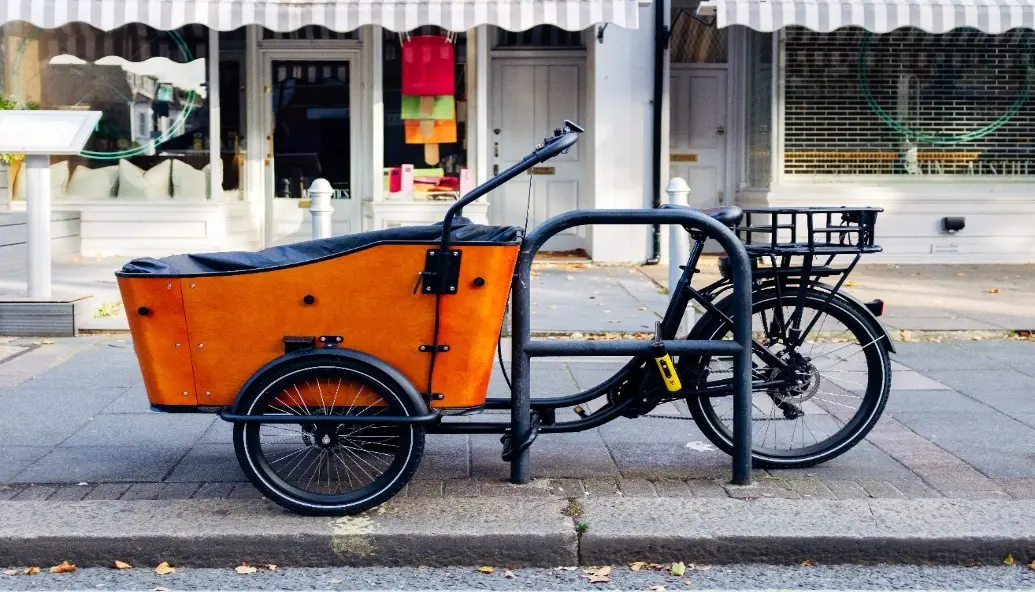
Zak Bond, the Campaign Manager at Clean Cities, has been vocal about the implications of the current data. While acknowledging the impressive growth of the cargo bike sector, Bond points out that the simultaneous rise in diesel van numbers indicates that progress in cleaning up urban freight has effectively stalled. He argues that the market alone may not be enough to drive the necessary transition at the speed required to meet public health and environmental targets. According to Bond, the current policy environment needs to evolve rapidly to create the specific conditions required for cleaner delivery options to scale up and become the default choice for businesses of all sizes. He suggests that a dedicated zero-emission zone for freight in central London would be a transformative step, providing the regulatory "stick" to complement the "carrot" of cargo bike efficiency. Such a zone would aim to phase out the most polluting vans while providing businesses with the long-term certainty and structural support they need to invest in zero-emission fleets.
The urgency of this policy shift is underscored by the environmental impact of the current van fleet. Recent analysis conducted by Clean Cities has identified diesel vans as the single largest road-based source of nitrogen oxide (NOx) emissions in both central and inner London. NOx is a major contributor to poor air quality, linked to a range of respiratory and cardiovascular health issues among urban populations. While passenger cars have seen a more rapid transition toward electrification and hybrid technology, the commercial van sector has lagged behind, leaving it as a disproportionate contributor to the city’s pollution burden. This finding emphasizes the necessity of finding and scaling cleaner alternatives for urban deliveries, as the continued reliance on diesel for "last mile" logistics directly undermines the broader efforts to improve the health of Londoners.
The role of organizations like Team London Bridge in this transition is particularly significant. As a Business Improvement District (BID), Team London Bridge represents a community of businesses in one of the city’s most commercially vibrant areas. Their involvement in "The Cruise" suggests that the push for sustainable freight is increasingly coming from the business community itself, rather than just environmental activists. Businesses are beginning to recognize that a cleaner, less congested city is not only better for the environment but also more attractive for customers and employees. Furthermore, the efficiency gains associated with cargo bikes—such as reduced time spent searching for parking and the ability to use more direct routes—can offer a competitive advantage in an increasingly fast-paced delivery market.