As the advertising industry descends upon Midtown for the 2026 edition of ADWEEK House, the atmosphere is charged with a mix of technological optimism and practical skepticism. The four-day event, established as a premier headquarters for the people shaping the future of commerce and media, has become a crucible for unscripted conversations regarding the next phase of the digital revolution. While the previous few years were defined by the speculative potential of artificial intelligence, the current discourse has shifted toward a more grounded reality: the struggle for true integration.
The central question haunting the hallways of Brandweek 2026 is no longer whether marketers are using AI—the consensus is that nearly everyone is—but rather how they can use these tools with genuine efficiency. Despite the ubiquity of generative platforms, a steep learning curve persists, leaving many organizations caught between the desire for innovation and the friction of implementation.
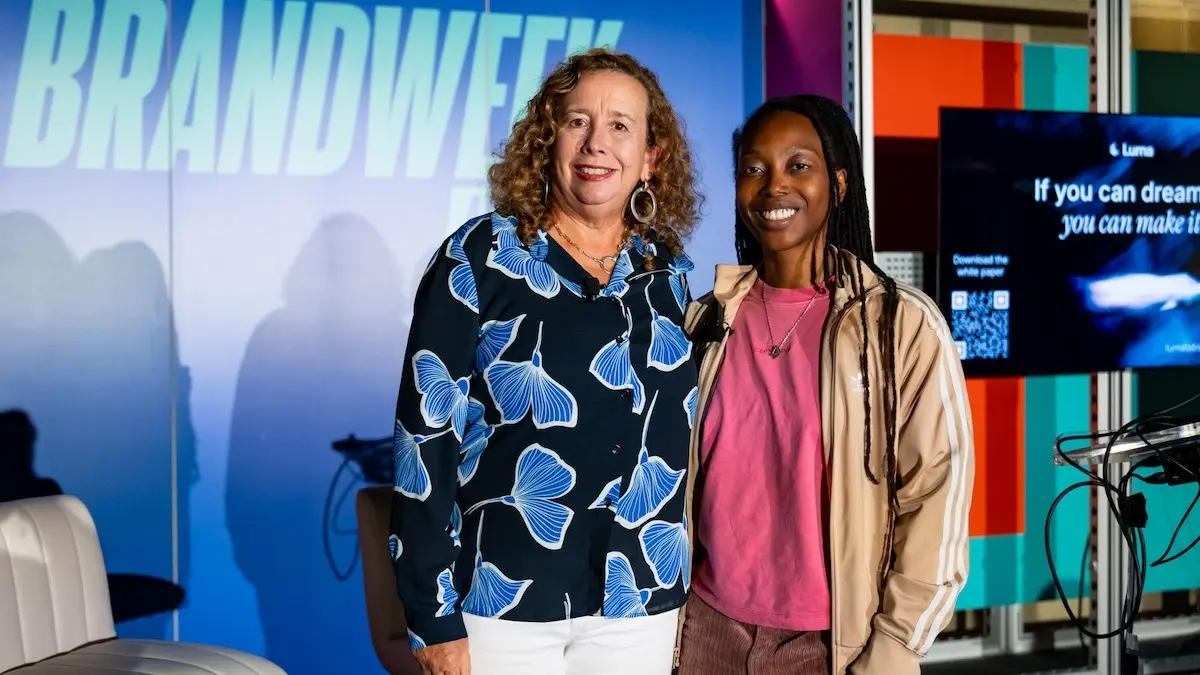
During a specialized Brandweek workshop co-hosted by Luma, industry veterans gathered to dissect these challenges. Michele Madansky, a seasoned marketing research consultant at Michele Madansky Consulting (MMC), joined forces with Alexia Adana, the forward deployed creative lead at Luma, to bridge the gap between data-driven insights and creative execution. Their presentation sought to demystify the current state of the industry while offering a glimpse into a future powered by sophisticated AI agents and integrated creative platforms.
How creatives are using AI today
To set the stage for the discussion, Madansky unveiled the findings of Luma’s first-ever annual report, titled “State of Creative Professionals and AI: 2026.” The study, which surveyed 760 creative professionals across various sectors, provides a comprehensive look at how the workforce is adapting to an automated landscape.
The headline figure from the report is staggering: 81% of creative professionals are now using AI to create and release content. On the surface, this suggests a total market takeover. However, Madansky was quick to point out that high adoption does not necessarily equate to seamless integration. The data reveals a period of intense experimentation characterized by what Madansky describes as "churn."
“On average, creative organizations evaluated 6.1 tools, adopted 4.3, and stopped using three,” Madansky explained to the audience. “This is churn. It indicates a heavy trial phase where professionals are desperately searching for the right fit, with the understanding that not every tool will work or provide a lasting impact on their specific workflow.”
This cycle of trial and error highlights a significant pain point for agencies and brands alike. The time spent onboarding, testing, and eventually discarding tools represents a hidden cost of the AI revolution. It suggests that while the industry is eager to move forward, it is still struggling to identify which technologies offer substantive value versus those that are merely flashy novelties.