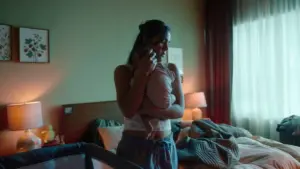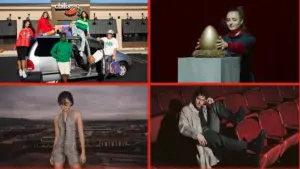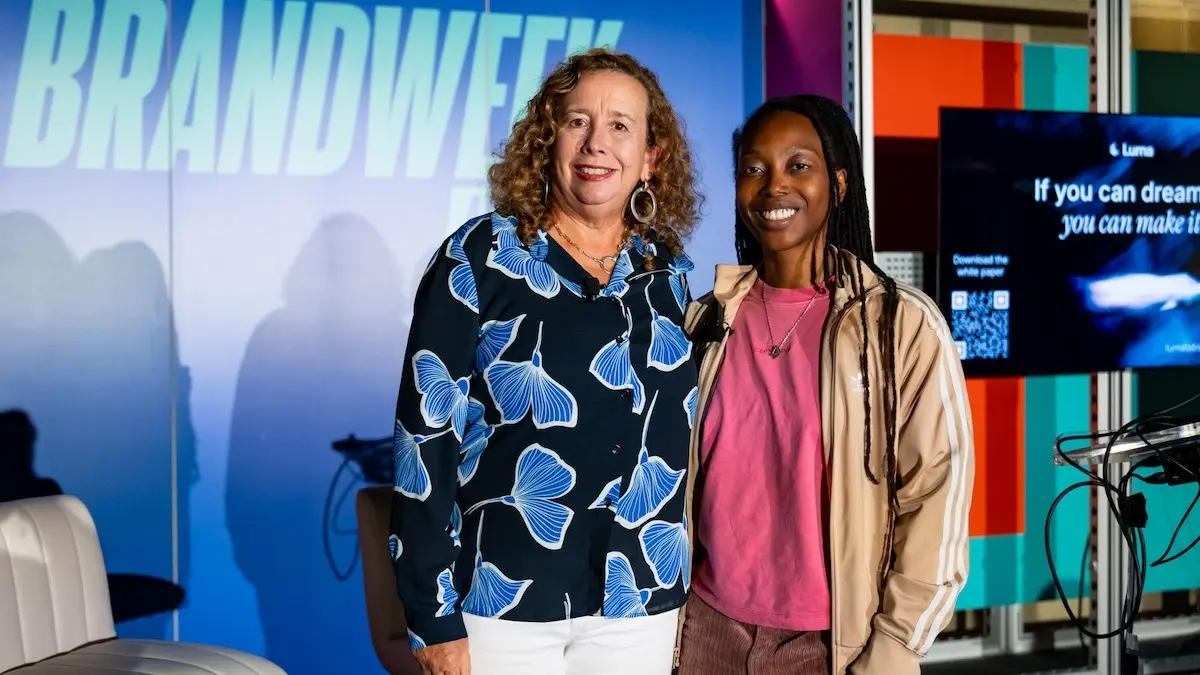
Once the Brand DNA is established, the creative process can move at an unprecedented pace. Adana showed how Luma utilizes “digital twins”—highly detailed, AI-rendered versions of real-life models who have been photographed and digitized. By combining these digital twins with images of the brand’s actual products, a marketer can move from a creative brief to a fully realized mood board in a matter of minutes.
During the live demo, Adana took an Oakley test case and altered the creative direction in real-time. By interacting with the agent, she was able to swap environments, adjust lighting, and iterate on the model’s positioning without the need for a costly or time-consuming reshoot. This hybrid production model—which blends traditional photography with AI-driven manipulation—dramatically speeds up the workflow while maintaining a level of quality that satisfies the demands of a premium brand like Luxottica.
However, throughout the demonstration, Adana was careful to emphasize that the technology is not intended to replace the creative professional. Instead, it is designed to empower them.
“This is all rooted in human authorship,” Adana stated firmly. “The assets are rooted in real photography and are moving through a hybrid workflow. The AI is the engine, but the human is the driver, providing the soul and the strategic intent behind every frame.”
As the workshop concluded, the takeaway for the attendees at Brandweek was clear: the era of "AI for the sake of AI" is ending. In its place, a more mature era of integration is beginning—one defined by specialized agents that understand brand identity and platforms that prioritize the human creator’s vision.
The 81% adoption rate cited by Madansky may be the current headline, but the real story lies in how brands like Oakley are moving past the "churn" to build a sustainable, high-velocity creative future. For the professionals gathered in Midtown this week, the message was one of cautious empowerment: the tools are here, the learning curve is steep, but for those who can master the role of the creative director in an automated age, the possibilities for storytelling are virtually limitless.