In the modern automotive landscape, few trends have proven as resilient or as profitable as the European consumer’s obsession with the crossover. From tight city streets to winding coastal roads, the demand for vehicles that offer an elevated seating position, rugged aesthetics, and hatchback-like footprint remains at an all-time high. It is within this competitive environment that Hyundai has unveiled the second generation of the Bayon, a vehicle that reinforces the brand’s commitment to the B-SUV segment even as its sibling, the Kona, moves further upmarket.
When the first-generation Bayon arrived, it was positioned as the entry-level SUV for the European market, sitting just below the Kona. However, as the Kona grew in size and price to accommodate electric powertrains and more premium features, a gap widened at the base of Hyundai’s crossover portfolio. The 2027 Bayon steps into this space with newfound confidence, growing in almost every physical dimension and adopting a design language that is significantly more assertive than its predecessor.
A More Aggressive Aesthetic: The "Robocop" Evolution
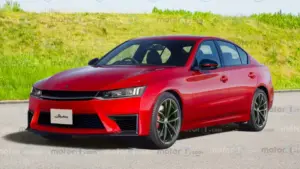
The most immediate change to the 2027 Hyundai Bayon is its visual identity. If the previous model was somewhat conservative in its styling, the new generation is anything but. The design appears to be a sophisticated blend of the latest Kona’s futuristic minimalism and the sharp, geometric "Parametric Dynamics" seen on the upcoming next-generation Elantra.
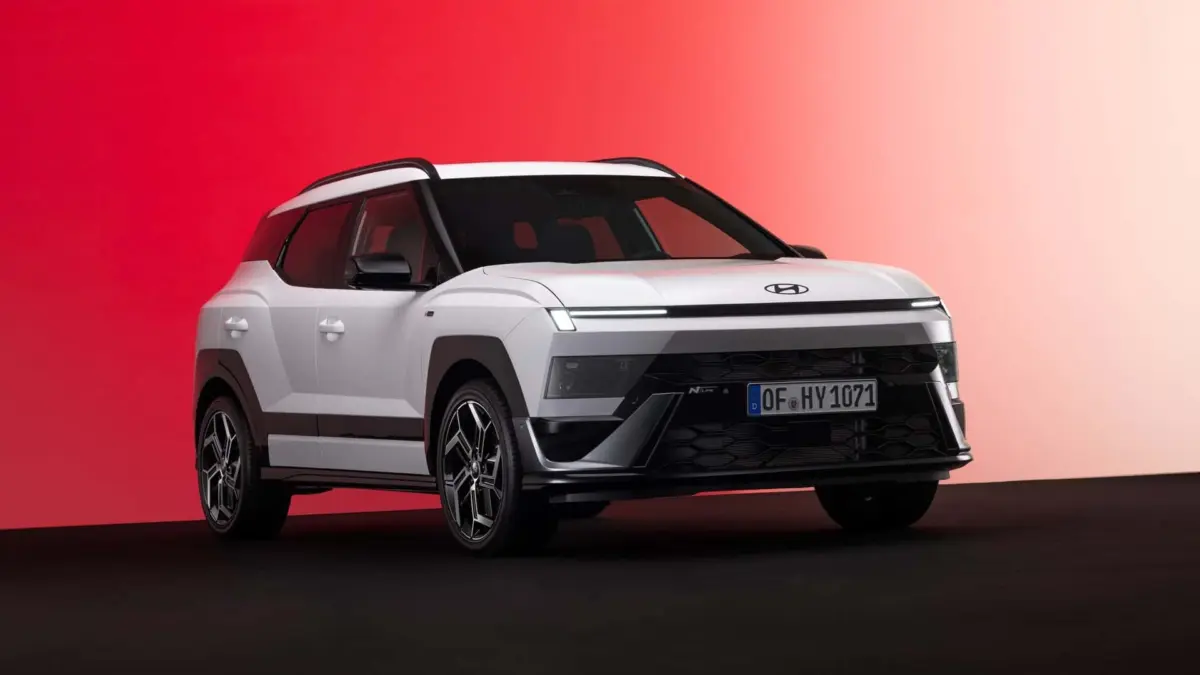
The front end is dominated by a full-width horizontal lighting signature, a "Seamless Horizon" lamp that has become a hallmark of Hyundai’s modern identity. Below this light bar, the primary illumination is handled by projection LED headlights equipped with static bending lights, designed to improve visibility while cornering—a premium feature for a vehicle in this class.
Moving to the side profile, the Bayon features sharper creases and more pronounced fenders that give it a planted, athletic stance. Chunky body cladding runs along the wheel arches and side sills, emphasizing its crossover credentials. Despite its more rugged look, the vehicle remains distinctly urban, maintaining a compact silhouette that is essential for navigating narrow European corridors. The rear echoes the front’s modernism, featuring an angular skid plate and a lighting treatment that wraps around the tail, reinforcing the car’s increased width.
In terms of physical growth, the new Bayon is noticeably larger. It now measures 4,245 millimeters (167.1 inches) in length and 1,810 mm (71.3 inches) in width. This represents an increase of 65 mm (2.6 inches) in length and 35 mm (1.4 inches) in width compared to the outgoing model. The wheelbase has been set at 2,600 mm (102.4 inches), providing a stable foundation that promises improved interior room and highway stability. Ground clearance remains a variable factor, depending on the specific powertrain chosen and the wheel size, which can range up to 18 inches.
The New Hyundai Bayon Gets The N Line Treatment
For buyers seeking a more emotive and sporty appearance, Hyundai is offering the N Line trim from the moment of launch. The N Line has become a successful sub-brand for Hyundai, allowing customers to enjoy the aggressive styling of the high-performance "N" cars without the higher running costs of a full-bore performance engine.