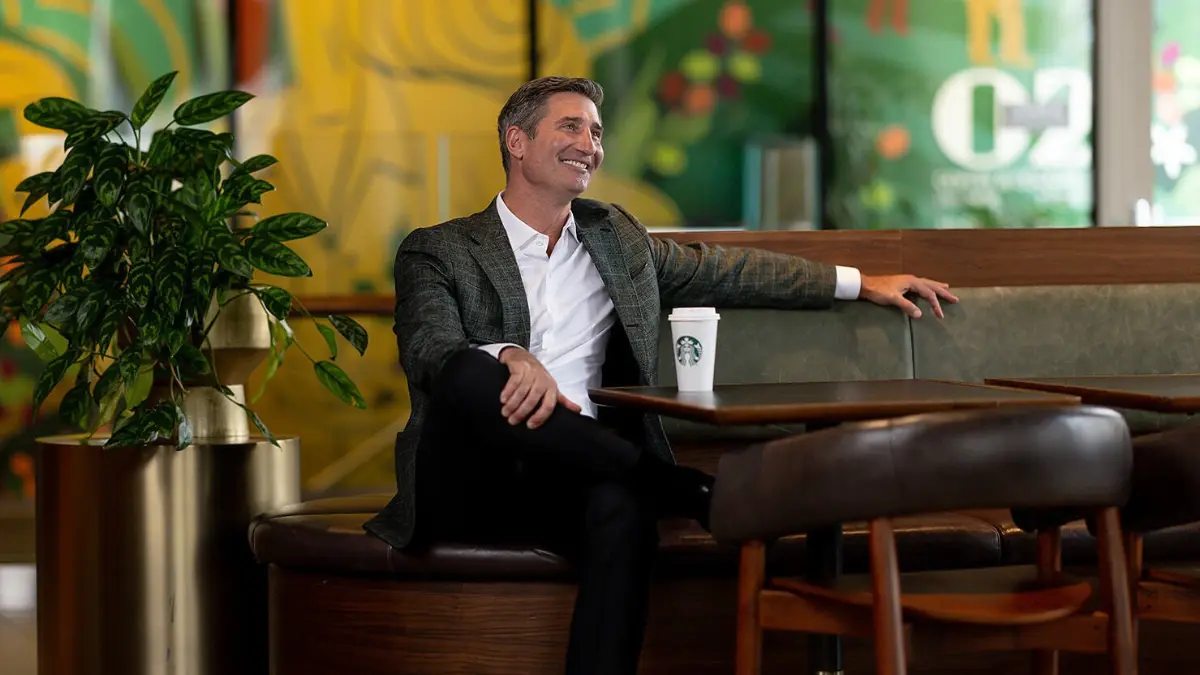
In the high-stakes world of global retail and quick-service dining, few leadership transitions have been watched as closely as Brian Niccol’s move to the helm of Starbucks. The former Chipotle Mexican Grill executive, credited with one of the most successful turnarounds in modern corporate history, now faces the daunting task of reinvigorating a brand that has become a victim of its own ubiquity. While much of the recent market speculation has centered on aggressive expansion and even the possibility of high-profile acquisitions, Niccol is focusing his early efforts on a fundamental operational challenge: the persistent struggle to capture the afternoon consumer.
In a wide-ranging discussion with ADWEEK for its October cover story, conducted on September 17, Niccol was remarkably candid about the current state of the Starbucks menu and the specific areas where the company is falling short of its potential. While he steered clear of commenting on swirling reports that Starbucks had explored a potential takeover of Chipotle—a move some analysts believe would be a massive operational hurdle for the coffee giant—he was vocal about his primary mission. For Niccol, the path to a revitalized Starbucks runs directly through the food program, which he intends to make "category-defining."
The centerpiece of this strategy involves addressing a long-standing imbalance in Starbucks’ daily sales cycle. The company has long been the undisputed king of the morning commute, a period when its caffeine-driven ecosystem functions with high efficiency. However, as the clock ticks past midday, the momentum often stalls. "We’re pretty darn good in the morning, but we have to be much better in the afternoon," Niccol told ADWEEK. This admission highlights a strategic pivot for the company, as it seeks to build a second sales peak after 2 p.m., a goal that has eluded the brand for years despite various attempts at menu diversification.
To understand the magnitude of this challenge, one must look at the historical context of Starbucks’ relationship with food. For decades, the company has grappled with its identity as either a "third place" for community gathering or a high-throughput beverage factory. While beverages like the Pumpkin Spice Latte and various Cold Brew innovations drive massive traffic, the food offerings have often been viewed as secondary—a "grab-and-go" necessity rather than a destination in their own right. Niccol’s vision of a "category-defining" food program suggests a shift away from the supplementary role of snacks and toward a more substantial, quality-focused culinary identity that can compete with dedicated lunch and mid-afternoon dining options.
The pursuit of a second sales peak is not merely about increasing the number of transactions; it is about changing the consumer’s perception of what Starbucks represents in the later hours of the day. In the morning, the customer is typically focused on speed, reliability, and the functional necessity of caffeine. In the afternoon, however, consumer behavior shifts toward indulgence, socialization, or a more substantial meal to bridge the gap between lunch and dinner. By improving the afternoon food selection, Starbucks aims to give customers a reason to visit when the morning coffee rush has subsided.