In the modern automotive landscape, few trends have proven as resilient or as profitable as the European consumer’s obsession with the crossover. From tight city streets to winding coastal roads, the demand for vehicles that offer an elevated seating position, rugged aesthetics, and hatchback-like footprint remains at an all-time high. It is within this competitive environment that Hyundai has unveiled the second generation of the Bayon, a vehicle that reinforces the brand’s commitment to the B-SUV segment even as its sibling, the Kona, moves further upmarket.
When the first-generation Bayon arrived, it was positioned as the entry-level SUV for the European market, sitting just below the Kona. However, as the Kona grew in size and price to accommodate electric powertrains and more premium features, a gap widened at the base of Hyundai’s crossover portfolio. The 2027 Bayon steps into this space with newfound confidence, growing in almost every physical dimension and adopting a design language that is significantly more assertive than its predecessor.
A More Aggressive Aesthetic: The "Robocop" Evolution
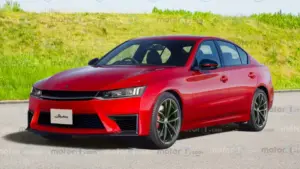
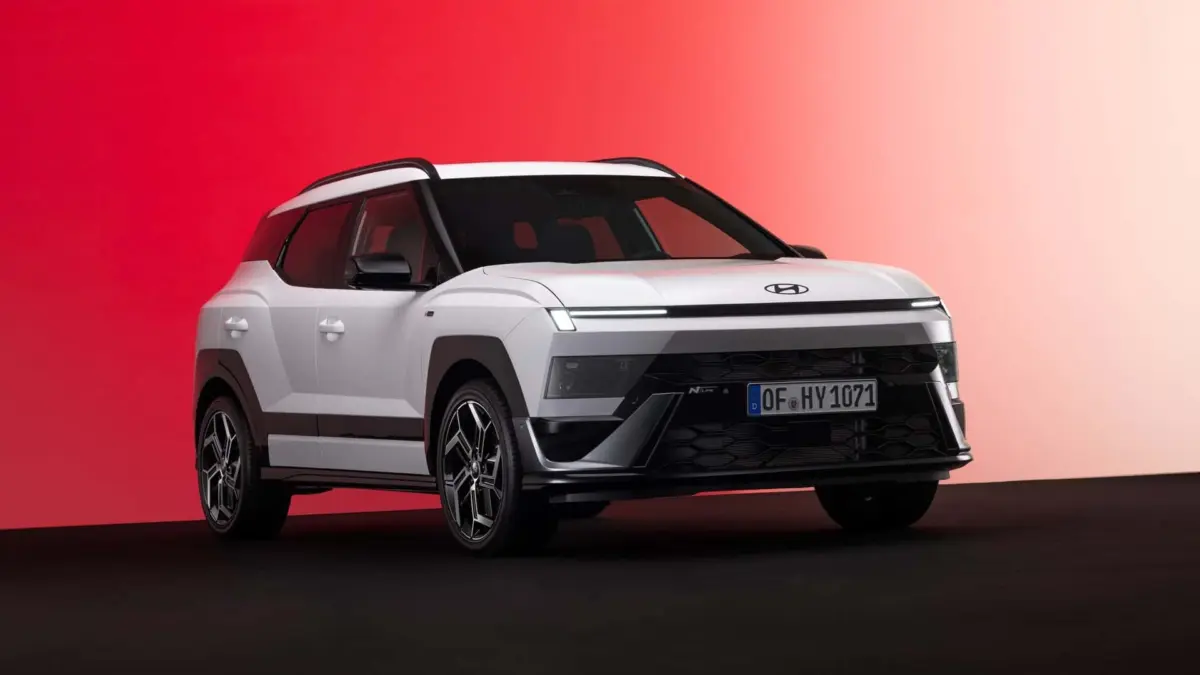
The most immediate change to the 2027 Hyundai Bayon is its visual identity. If the previous model was somewhat conservative in its styling, the new generation is anything but. The design appears to be a sophisticated blend of the latest Kona’s futuristic minimalism and the sharp, geometric "Parametric Dynamics" seen on the upcoming next-generation Elantra.
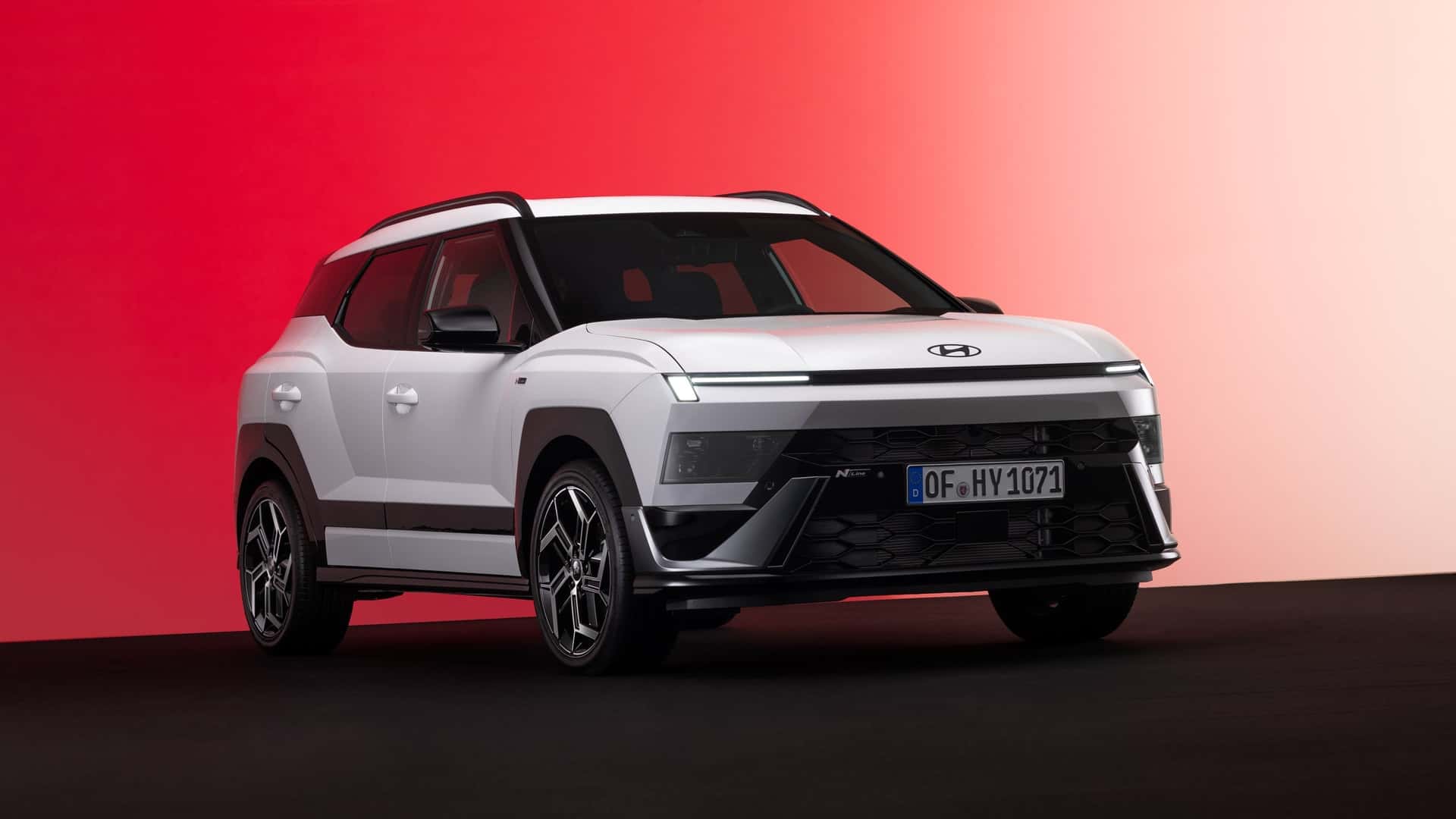
The front end is dominated by a full-width horizontal lighting signature, a "Seamless Horizon" lamp that has become a hallmark of Hyundai’s modern identity. Below this light bar, the primary illumination is handled by projection LED headlights equipped with static bending lights, designed to improve visibility while cornering—a premium feature for a vehicle in this class.
Moving to the side profile, the Bayon features sharper creases and more pronounced fenders that give it a planted, athletic stance. Chunky body cladding runs along the wheel arches and side sills, emphasizing its crossover credentials. Despite its more rugged look, the vehicle remains distinctly urban, maintaining a compact silhouette that is essential for navigating narrow European corridors. The rear echoes the front’s modernism, featuring an angular skid plate and a lighting treatment that wraps around the tail, reinforcing the car’s increased width.
In terms of physical growth, the new Bayon is noticeably larger. It now measures 4,245 millimeters (167.1 inches) in length and 1,810 mm (71.3 inches) in width. This represents an increase of 65 mm (2.6 inches) in length and 35 mm (1.4 inches) in width compared to the outgoing model. The wheelbase has been set at 2,600 mm (102.4 inches), providing a stable foundation that promises improved interior room and highway stability. Ground clearance remains a variable factor, depending on the specific powertrain chosen and the wheel size, which can range up to 18 inches.
The New Hyundai Bayon Gets The N Line Treatment
For buyers seeking a more emotive and sporty appearance, Hyundai is offering the N Line trim from the moment of launch. The N Line has become a successful sub-brand for Hyundai, allowing customers to enjoy the aggressive styling of the high-performance "N" cars without the higher running costs of a full-bore performance engine.
The Bayon N Line distinguishes itself with several model-specific touches. It rides on dedicated 18-inch alloy wheels and features technical mesh details in the grille. The exterior is further enhanced with high-gloss black cladding and a bespoke rear diffuser that incorporates twin exhaust outlets, giving the small crossover a much punchier look from the rear.
The sporty theme continues inside the cabin. The N Line trim is outfitted with cloth and suede seats featuring contrasting red accents and stitching. These details extend to the steering wheel and gear selector, creating a cohesive environment that feels significantly more premium than the standard entry-level fare. Beyond the N Line, buyers of all trims can personalize their Bayon with a variety of exterior finishes, including solid, metallic, pearl, and matte options, as well as a two-tone roof for a more contemporary look.
Major Tech Upgrade, But With Plenty Of Buttons
The interior of the 2027 Bayon has undergone a total transformation, moving away from the utilitarian feel of the previous generation toward a high-tech, driver-centric layout. Depending on the chosen specification, the dashboard is dominated by a curved, panoramic display that houses a 12.3-inch digital instrument cluster and a matching 12.3-inch infotainment touchscreen.
While many manufacturers are moving toward a "screen-only" philosophy, Hyundai has opted for a more ergonomic approach. The center console, while appearing somewhat unorthodox with its vertical air vents, retains a healthy array of physical buttons. This decision is likely a response to customer feedback, as physical controls for climate and basic audio functions are often preferred for their ease of use while driving.
Despite its position at the entry point of the crossover lineup, the Bayon is packed with technology that was, until recently, reserved for luxury segments. Connectivity is a core focus, with wireless Apple CarPlay and Android Auto included as standard. The vehicle also offers wireless phone charging and "Digital Key" functionality, allowing owners to lock, unlock, and start their car using a smartphone or smartwatch.
Comfort has also been prioritized. The options list includes heated and ventilated front seats, heated rear seats, and even reclining rear seatbacks—a rarity in the B-SUV segment. Rear passengers also benefit from dedicated air vents, ensuring that the compact cabin remains comfortable for all occupants. For audiophiles, a premium Bose sound system is available, while an opening panoramic sunroof helps the interior feel more spacious and airy.
Practicality, a cornerstone of the original Bayon’s appeal, remains intact. The internal-combustion versions provide a generous 440 liters (15.5 cubic feet) of luggage capacity, supplemented by additional storage beneath the cargo floor. The new hybrid model, however, sees a slight reduction in space to 397 liters (14.0 cubic feet) to make room for the battery pack and hybrid hardware.
The 2027 Hyundai Bayon Gets Gas And Hybrid Power
Under the hood, the 2027 Bayon offers a range of powertrains designed to balance efficiency with sufficient pep for urban and suburban driving. At launch, the primary offering is a turbocharged 1.0-liter three-cylinder gasoline engine. This unit is available in two states of tune: a 90-horsepower entry-level version and a more potent 115-horsepower variant.
Enthusiasts of traditional driving will be pleased to note that a six-speed manual transmission remains available on certain models, though a seven-speed dual-clutch automatic (DCT) is expected to be the more popular choice. Performance figures are modest but appropriate for the segment; the 115-hp model can reach a top speed of 112 mph (180 km/h), while the 90-hp version tops out at 106 mph (171 km/h).
The most significant mechanical update, however, is the introduction of a full-hybrid (HEV) powertrain. While the previous Bayon utilized a 48-volt mild-hybrid system, the 2027 model steps up to a "closed" hybrid setup. This system pairs a 1.6-liter four-cylinder gasoline engine with an electric motor and a six-speed dual-clutch transmission.
With a combined output of 136 horsepower, the hybrid Bayon becomes the most powerful member of the family. It also introduces more sophisticated driving dynamics, such as adaptive regenerative braking. Drivers can use steering-wheel-mounted paddles to adjust the level of energy recuperation, allowing for a driving experience that can mimic the "one-pedal" feel of an electric vehicle in heavy traffic.
Market Positioning and Future Outlook
The arrival of the new Bayon marks an interesting moment for Hyundai’s European strategy. By making the Bayon larger, more tech-heavy, and more stylish, Hyundai is essentially offering a "Kona Lite." This raises the question of whether the Bayon might cannibalize sales from the Kona, which has traditionally been the brand’s heavy hitter in the small SUV space.
However, Hyundai appears to be betting that the market is large enough for both. The Kona has moved into a more premium, "all-electric first" territory, while the Bayon remains a more accessible, combustion-focused alternative that doesn’t feel like a compromise. The addition of a full hybrid powertrain is a crucial move, as European emissions regulations continue to tighten and consumers look for ways to reduce fuel costs without committing to a full EV.
As of now, Hyundai has not released specific pricing or exact delivery dates for the various European markets. However, the formula for the 2027 Bayon is clear: it offers a "Robocop" inspired design, a sophisticated and button-rich interior, a comprehensive suite of driver-assistance systems, and a more efficient hybrid future. In a segment where competition is fierce, Hyundai’s latest offering seems well-equipped to maintain its foothold and perhaps even steal some limelight from its larger siblings.