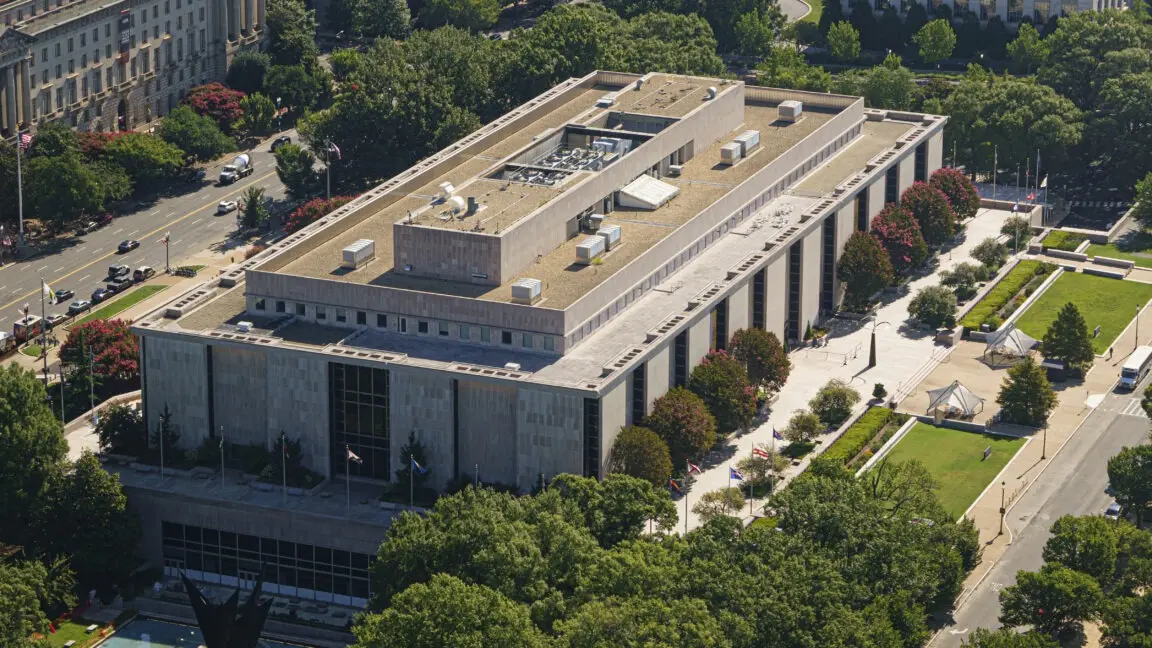
In November 2021, the Smithsonian’s National Museum of American History opened a small exhibit titled “The Electric Dr. Franklin.” Designed to examine Benjamin Franklin’s seminal contributions to electrical science, the display included an explicit historical caveat: prior to becoming an abolitionist, Franklin had held enslaved people in his household. “Benjamin Franklin’s remarkable scientific accomplishments were, in part, enabled by slavery,” one panel declared. The display further speculated that Franklin may have involved enslaved individuals in his dangerous research, noting that while Franklin wrote of administering shocks to family and friends, he rarely identified specific assistants, leaving open the possibility that indentured servants and enslaved household members were used as well.
Though the physical exhibit closed in 2025, its online text became a central flashpoint in an escalating political assault against the nation’s premier cultural institution. On July 4, timed to coincide with the 250th anniversary of the Declaration of Independence, the White House released a blistering 162-page report accusing the Smithsonian of falling victim to an “ideological capture.” The document charged that the institution had drifted away from straightforward historical scholarship in favor of an “extreme political activism that seeks to transform our country.”
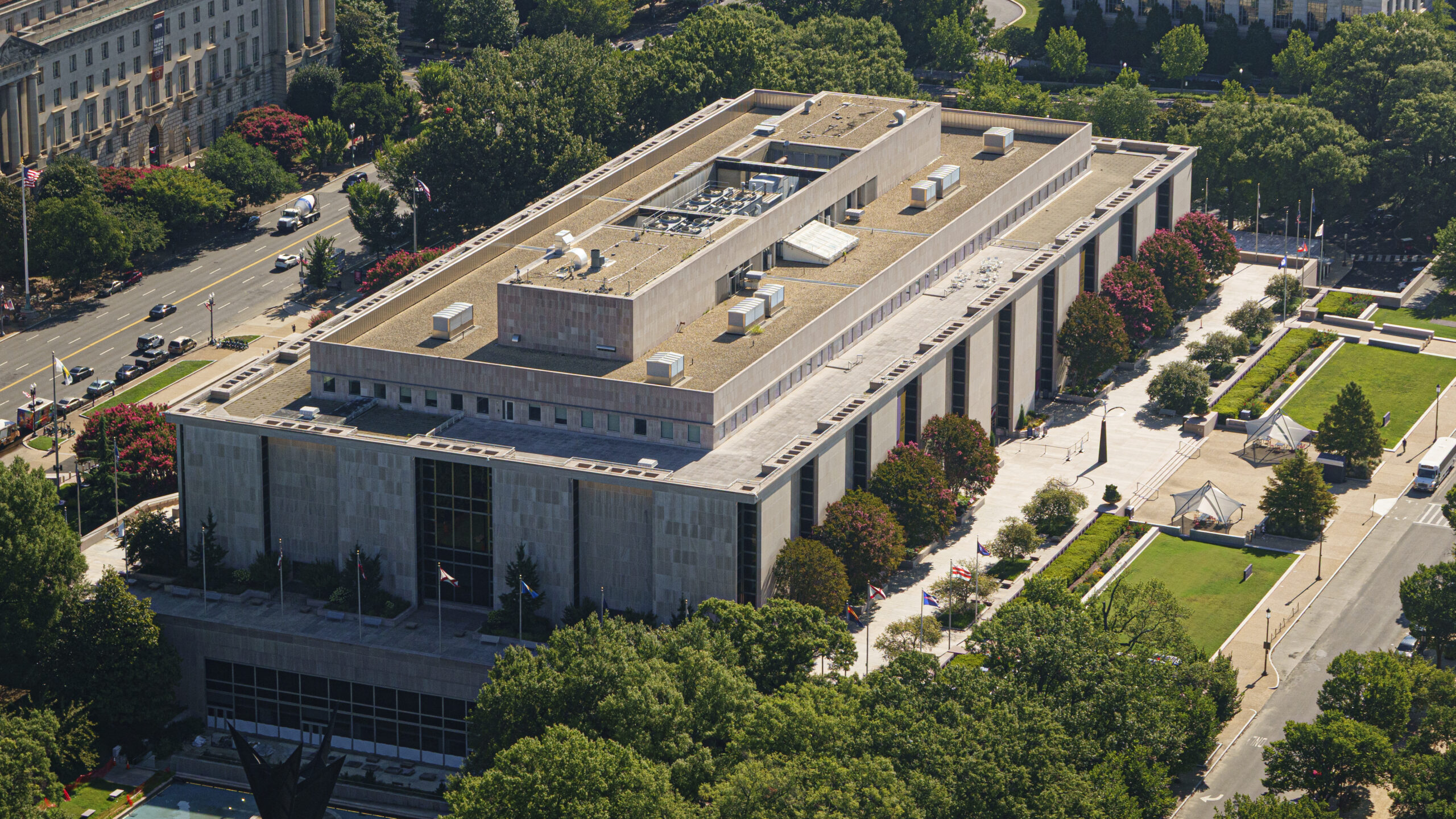
The fallout was swift and severe. Following months of escalating threats, executive orders, and contentious congressional hearings, Smithsonian Secretary Lonnie Bunch—the first African American to lead the institution—announced his resignation on September 8 at age 73, plainly acknowledging, “It has been stressful.”
The confrontation marks an unprecedented crisis for the Smithsonian Institution. For decades, the complex of 21 museums—drawing some 15 million visitors annually—operated largely above the partisan fray. Apart from high-profile squabbles such as the 1995 controversy over the National Air and Space Museum’s planned exhibition of the Enola Gay, the institution enjoyed robust bipartisan backing as the custodian of the American story. Today, that institutional independence is severely threatened.
The campaign against the Smithsonian gained momentum in March 2025 when President Donald Trump signed an executive order alleging the institution had embraced a “divisive, race-centered ideology.” The executive order directed Vice President J.D. Vance to purge improper ideology from the institution. Two months later, Trump announced he was firing Kim Sajet, director of the National Portrait Gallery, criticizing her as a supporter of diversity, equity, and inclusion initiatives. Although the presidency lacks direct legal authority to remove museum directors, Sajet stepped down to protect the institution.
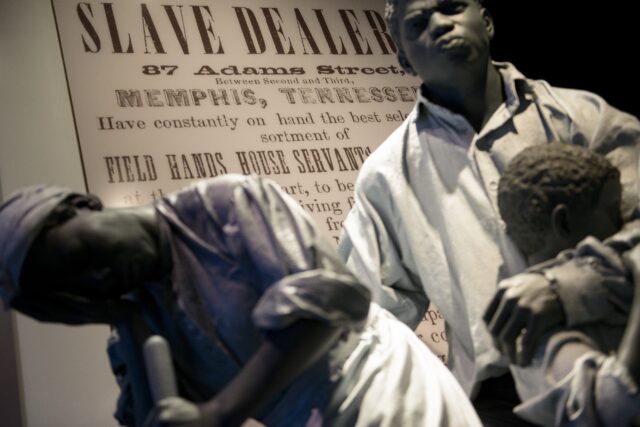
Tensions crested in late July when two House committees held back-to-back hearings focusing on the White House report. Lawmakers subjected National Museum of American History director Anthea Hartig to intense questioning regarding specific displays. Beyond the Franklin exhibit, critics singled out “Girlhood (It’s Complicated),” which featured diary entries from a six-year-old girl reflecting on bodily changes and gender identity, as well as an exhibition on LGBTQ+ history that included a two-piece chrome and rubber crotch harness designed for sadomasochistic sex. Republican members also condemned the museum’s use of the “Museums as a Site for Social Action Toolkit,” a training manual that characterizes concepts like "politeness" as elements of white supremacy culture.