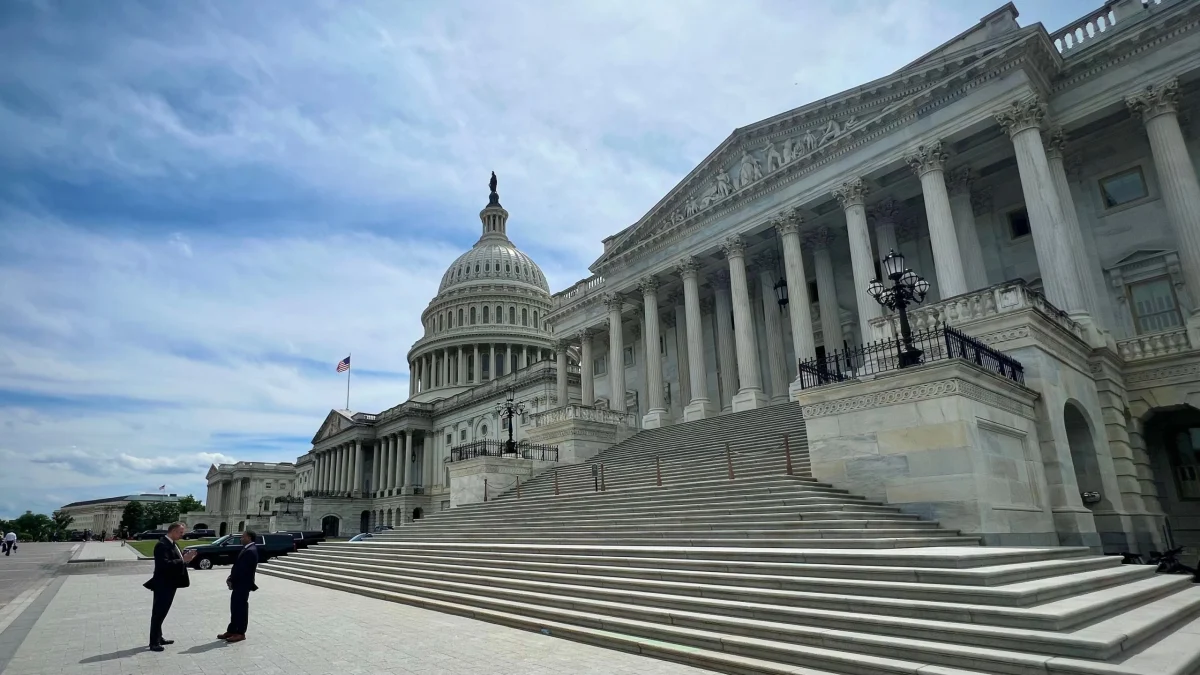
WASHINGTON — The halls of the U.S. Capitol have fallen silent as lawmakers depart for the final recess ahead of the November 3 midterm elections. While the physical offices in Washington may be empty, the political machinery is accelerating into its highest gear. For the cryptocurrency industry, the next thirty days represent a critical period of anticipation and strategic positioning, as the results of the 2026 midterms will dictate the legislative and regulatory trajectory of digital assets for years to come.
With the balance of power in both the House of Representatives and the Senate currently on a knife-edge, the industry is closely monitoring polling data and prediction markets. The outcome will determine which party holds the gavels of key committees, who controls the federal budget for regulators like the Securities and Exchange Commission (SEC), and whether the legislative momentum for crypto-specific frameworks will stall or find a new, albeit different, path forward.
30 Days Out: The Political Landscape and the Narrative of Change
As of early October, the narrative surrounding the 2026 midterms has shifted significantly. Just months ago, many analysts predicted a comfortable path for Republicans to maintain or expand their influence. However, as of Friday, October 2, 2026, a different picture is emerging. Consensus polling, such as the data aggregated by 270towin, suggests that Democrats are currently on an upswing, with a high probability of flipping the House of Representatives.
The Senate remains the ultimate "tossup." While some traditional polls show a statistical dead heat in key battleground states, prediction markets—which the crypto industry often views as a more reactive and real-time sentiment gauge—are leaning more decisively. On platforms like Kalshi and Polymarket, bettors are increasingly wagering on a "blue wave" scenario where Democrats seize control of both chambers of Congress.
This potential shift in leadership comes at a volatile time for the digital asset sector. The industry is still reeling from the collapse of the Clarity Act last month, a piece of legislation that was the product of months of intense bipartisan negotiation. The failure of that bill to cross the finish line has left a vacuum in federal policy, leaving the industry to wonder if the next Congress will seek to revive those efforts or pivot toward a more restrictive approach.
The stakes of this election cannot be overstated. The makeup of the next Congress will shape the oversight of every major financial regulator. Agencies such as the SEC, the Commodity Futures Trading Commission (CFTC), the Office of the Comptroller of the Currency (OCC), and the Treasury Department are all in the midst of various rulemaking efforts. A Democrat-controlled Congress would likely provide a tailwind for the SEC’s current enforcement-heavy posture, while a Republican-controlled legislature would likely push for more "pro-innovation" mandates and demand greater accountability for what many in the industry describe as "regulation by enforcement."