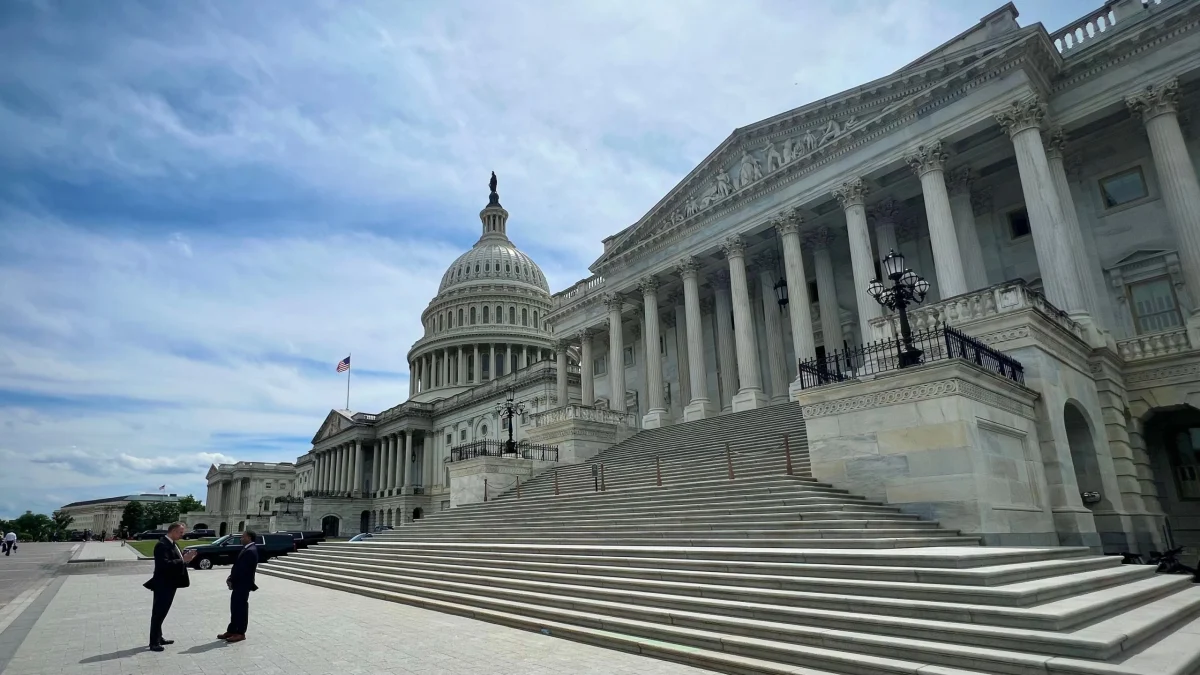
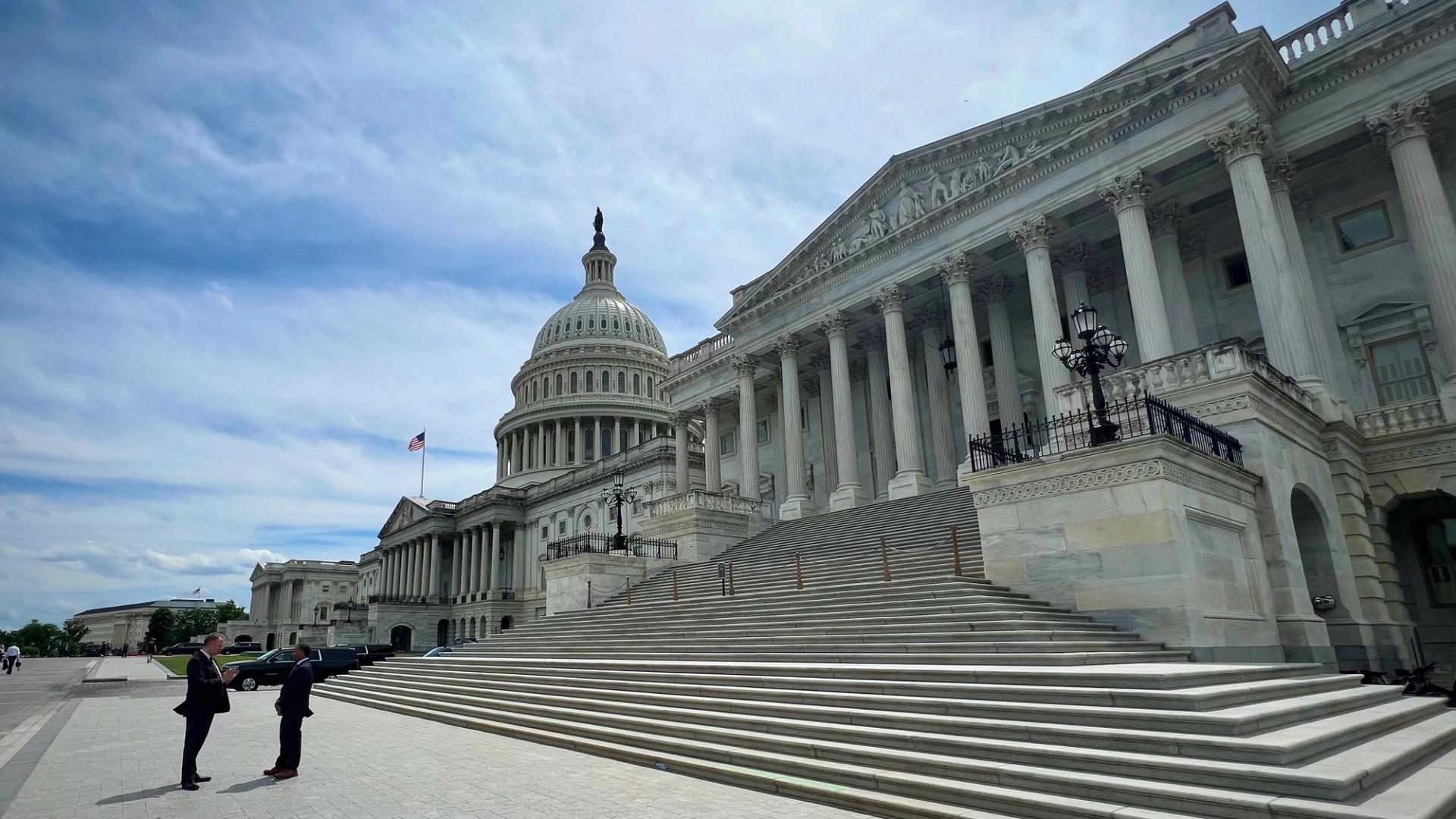
WASHINGTON — The halls of the U.S. Capitol have fallen silent as lawmakers depart for the final recess ahead of the November 3 midterm elections. While the physical offices in Washington may be empty, the political machinery is accelerating into its highest gear. For the cryptocurrency industry, the next thirty days represent a critical period of anticipation and strategic positioning, as the results of the 2026 midterms will dictate the legislative and regulatory trajectory of digital assets for years to come.
With the balance of power in both the House of Representatives and the Senate currently on a knife-edge, the industry is closely monitoring polling data and prediction markets. The outcome will determine which party holds the gavels of key committees, who controls the federal budget for regulators like the Securities and Exchange Commission (SEC), and whether the legislative momentum for crypto-specific frameworks will stall or find a new, albeit different, path forward.
30 Days Out: The Political Landscape and the Narrative of Change
As of early October, the narrative surrounding the 2026 midterms has shifted significantly. Just months ago, many analysts predicted a comfortable path for Republicans to maintain or expand their influence. However, as of Friday, October 2, 2026, a different picture is emerging. Consensus polling, such as the data aggregated by 270towin, suggests that Democrats are currently on an upswing, with a high probability of flipping the House of Representatives.
The Senate remains the ultimate "tossup." While some traditional polls show a statistical dead heat in key battleground states, prediction markets—which the crypto industry often views as a more reactive and real-time sentiment gauge—are leaning more decisively. On platforms like Kalshi and Polymarket, bettors are increasingly wagering on a "blue wave" scenario where Democrats seize control of both chambers of Congress.
This potential shift in leadership comes at a volatile time for the digital asset sector. The industry is still reeling from the collapse of the Clarity Act last month, a piece of legislation that was the product of months of intense bipartisan negotiation. The failure of that bill to cross the finish line has left a vacuum in federal policy, leaving the industry to wonder if the next Congress will seek to revive those efforts or pivot toward a more restrictive approach.
The stakes of this election cannot be overstated. The makeup of the next Congress will shape the oversight of every major financial regulator. Agencies such as the SEC, the Commodity Futures Trading Commission (CFTC), the Office of the Comptroller of the Currency (OCC), and the Treasury Department are all in the midst of various rulemaking efforts. A Democrat-controlled Congress would likely provide a tailwind for the SEC’s current enforcement-heavy posture, while a Republican-controlled legislature would likely push for more "pro-innovation" mandates and demand greater accountability for what many in the industry describe as "regulation by enforcement."
Beyond oversight, the legislative calendar for 2027 is already taking shape. While a comprehensive market structure bill remains a possibility, the most immediate movement is occurring in the realm of taxation. In a rare show of bipartisanship, the House Ways and Means Committee passed a crypto tax bill last month. This was followed closely by Senator Steve Daines, who introduced a similar measure in the Senate just last week. These developments suggest that regardless of the election’s outcome, tax clarity remains a high priority for lawmakers, though the specific nuances of those taxes could change depending on which party holds the majority.
The Looming Threat of Investigations and Subpoenas
One of the most significant concerns currently circulating through the boardrooms of major crypto firms is the prospect of a Democratic-led House turning its investigative powers toward the industry. There is a growing sense of unease that a new majority would use its subpoena power to scrutinize crypto companies that were closely involved with the administration of Donald Trump.
Given the former president’s public-facing crypto business ties and his vocal support for the industry during the campaign cycle, Democratic lawmakers have expressed concerns regarding potential conflicts of interest and the influence of digital asset firms on executive policy. If the House flips, the chairs of the Financial Services and Oversight committees will have the authority to launch deep-dive investigations into these relationships. For an industry that has spent years trying to shed a reputation for opacity, the prospect of aggressive, politically charged congressional hearings represents a significant "headline risk" that could impact market stability and corporate strategy well into next year.
Furthermore, the "power of the purse" remains a potent tool. Congress is responsible for approving the budgets of the very regulators that oversee the crypto markets. A shift in party control could lead to a reallocation of resources—either boosting the enforcement divisions of the SEC to crack down on "unregistered securities" or, conversely, funding more staff at the CFTC to facilitate a shift toward a commodity-based regulatory model.
Industry Involvement and the Cost of Influence
Despite the high stakes, the crypto industry’s direct financial involvement in the closing weeks of the 2026 cycle has been notably targeted rather than broad-based. The industry appears to be moving away from a "spray and pray" approach to political donations, opting instead for surgical strikes against specific candidates perceived as existential threats to the sector’s growth.
At the center of this strategy is the Fairshake Super PAC, which has become one of the most well-funded political action committees in the country. Backed by a coalition of major industry players, Fairshake recently announced a $30 million expenditure specifically targeting former Senator Sherrod Brown. Brown, a long-time skeptic of digital assets and a powerful voice on the Senate Banking Committee, has been a primary focal point for industry opposition.
Supporting this effort is the Digital Freedom Fund, primarily funded by Gemini founders Cameron and Tyler Winklevoss. The fund recently committed $3 million to the effort against Brown, reinforcing the industry’s desire to remove key legislative hurdles. However, the window for further influence is closing. Fairshake representatives recently indicated that they have no further expenditures to announce at this time.
The hesitation to commit more capital in the final 30 days may be a matter of economics as much as strategy. As the election nears, the cost of television and digital advertising in swing states and key districts skyrockets. Last-minute ad buys are notoriously expensive and often get lost in the "noise" of a saturated media environment. For the crypto PACs, the $33 million already committed to the Ohio race may be the extent of their "all-in" bets for this cycle.
Looking Ahead to November 3
As lawmakers head to their home districts to meet with constituents and make their final pitches to voters, the crypto industry is left in a state of watchful waiting. The next month will be defined by internal preparations for every possible permutation of the 119th Congress.
If the polling holds and Democrats take the House, the industry will likely face a period of intense scrutiny and a shift toward more rigid consumer protection frameworks. If Republicans manage to hold their ground or secure the Senate, the push for a tailored market structure bill and more lenient regulatory oversight will likely regain momentum.
For now, the focus remains on the ground game in states like Ohio and the fluctuating numbers on prediction markets. In the world of crypto, where volatility is the only constant, the industry is finding that the political landscape of Washington is becoming just as unpredictable as the markets it seeks to regulate. The silence in the Capitol today is merely the calm before a transformative political storm that will break on November 3.