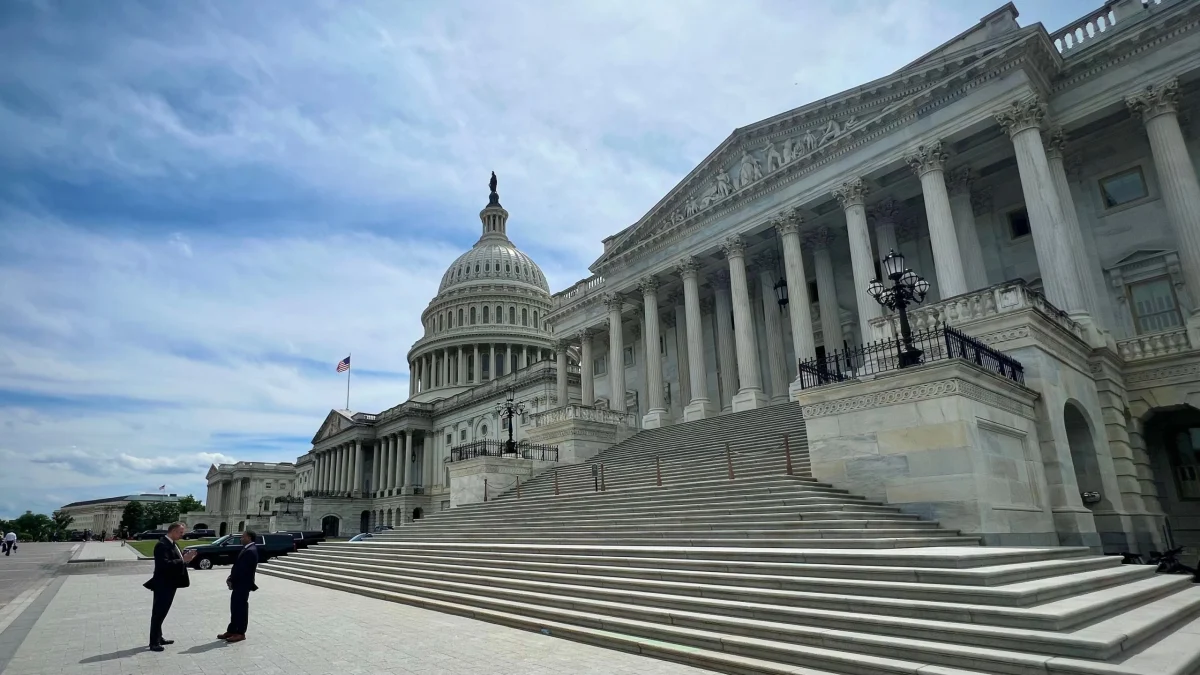
Beyond oversight, the legislative calendar for 2027 is already taking shape. While a comprehensive market structure bill remains a possibility, the most immediate movement is occurring in the realm of taxation. In a rare show of bipartisanship, the House Ways and Means Committee passed a crypto tax bill last month. This was followed closely by Senator Steve Daines, who introduced a similar measure in the Senate just last week. These developments suggest that regardless of the election’s outcome, tax clarity remains a high priority for lawmakers, though the specific nuances of those taxes could change depending on which party holds the majority.
The Looming Threat of Investigations and Subpoenas
One of the most significant concerns currently circulating through the boardrooms of major crypto firms is the prospect of a Democratic-led House turning its investigative powers toward the industry. There is a growing sense of unease that a new majority would use its subpoena power to scrutinize crypto companies that were closely involved with the administration of Donald Trump.
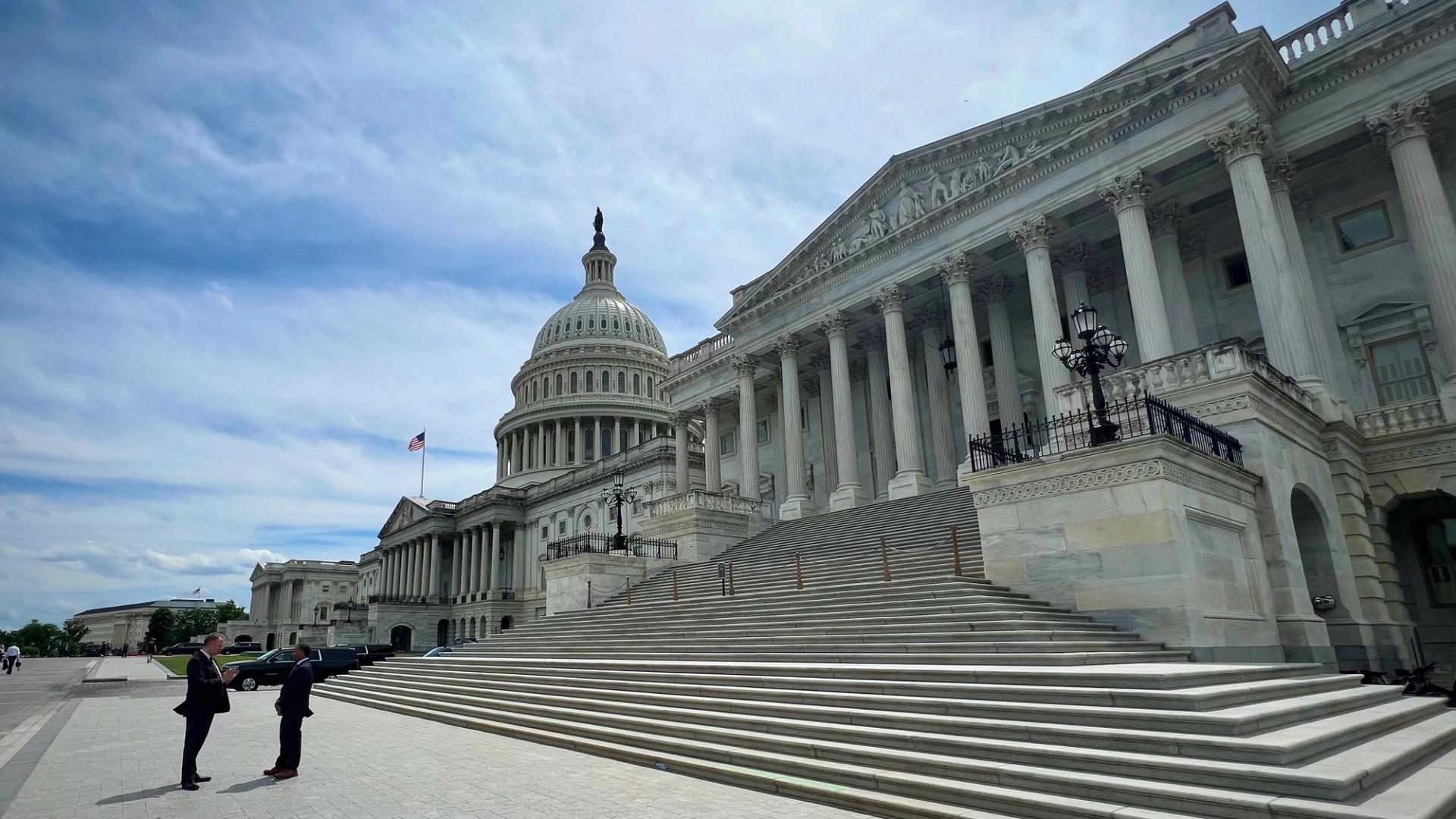
Given the former president’s public-facing crypto business ties and his vocal support for the industry during the campaign cycle, Democratic lawmakers have expressed concerns regarding potential conflicts of interest and the influence of digital asset firms on executive policy. If the House flips, the chairs of the Financial Services and Oversight committees will have the authority to launch deep-dive investigations into these relationships. For an industry that has spent years trying to shed a reputation for opacity, the prospect of aggressive, politically charged congressional hearings represents a significant "headline risk" that could impact market stability and corporate strategy well into next year.
Furthermore, the "power of the purse" remains a potent tool. Congress is responsible for approving the budgets of the very regulators that oversee the crypto markets. A shift in party control could lead to a reallocation of resources—either boosting the enforcement divisions of the SEC to crack down on "unregistered securities" or, conversely, funding more staff at the CFTC to facilitate a shift toward a commodity-based regulatory model.
Industry Involvement and the Cost of Influence
Despite the high stakes, the crypto industry’s direct financial involvement in the closing weeks of the 2026 cycle has been notably targeted rather than broad-based. The industry appears to be moving away from a "spray and pray" approach to political donations, opting instead for surgical strikes against specific candidates perceived as existential threats to the sector’s growth.