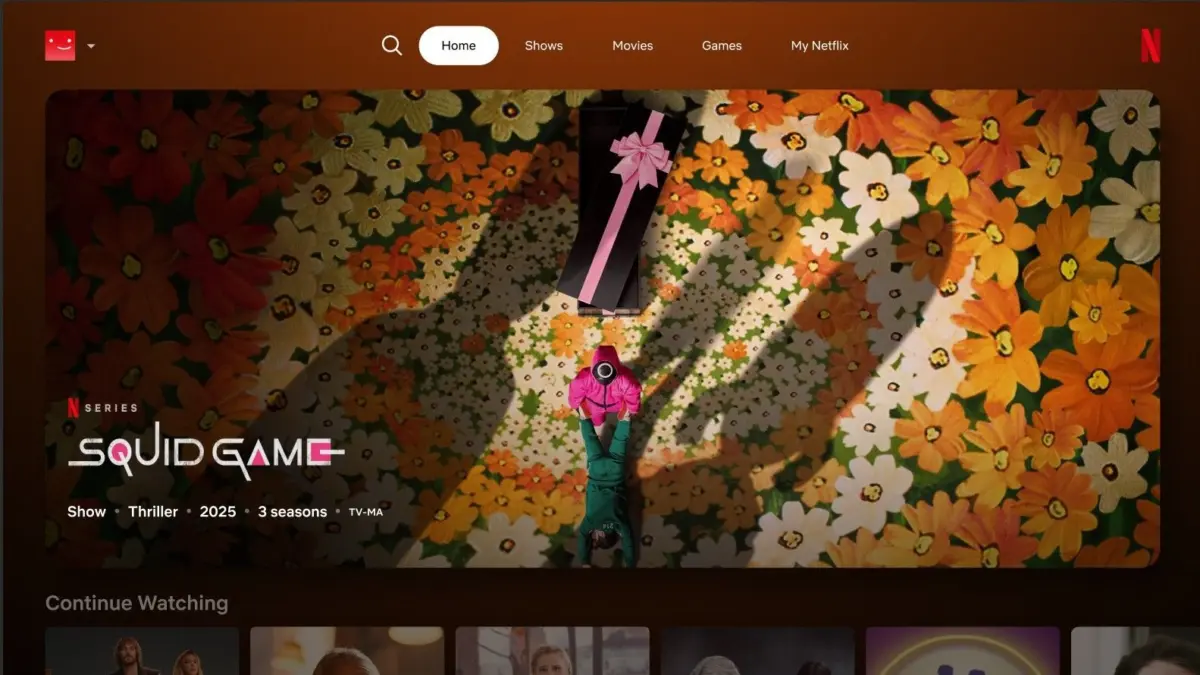
For those who were part of the first wave of the digital revolution, the year 2012 remains a landmark era. It was a time when the "cord-cutting" movement felt like a genuine liberation from the shackles of traditional media. In the United Kingdom, a monthly subscription to Netflix cost a mere £5.99. For the price of a couple of high-street coffees, subscribers gained access to a vast, burgeoning library of films and television series, all delivered without a single commercial break, without the need for a long-term contract, and without the unsightly satellite dish bolted to the side of the house. It was a period of unbridled optimism where the "future of television" had finally arrived, promising a cheaper, cleaner, and more user-centric way to consume entertainment.
Fast forward to the present day, and that utopian vision has been replaced by a much more expensive and cluttered reality. The landscape of 2026 is one defined by "subscription fatigue," aggressive price hikes, and the steady encroachment of the very advertisements we once paid to escape. Following the most recent round of price increases in the UK, Netflix’s cheapest ad-free tier now sits at £13.99 per month, while the Premium tier—necessary for those wanting the highest visual fidelity—has climbed to a staggering £20.99. In little more than a decade, the cost of the "premium" streaming experience has nearly quadrupled, leaving many consumers wondering when the value proposition soured.
While Netflix has frequently been the primary target of consumer frustration regarding price volatility, Disney+ has recently taken a step that suggests the entire industry is moving toward a more restrictive future. Last month, Disney updated its UK subscriber agreement with language that has raised eyebrows across the tech and entertainment sectors. The new terms state that all subscription tiers, including those previously marketed as "ad-free," may now include "promotional content," sponsorships, and "advertisements before or after playback."
Disney has been quick to reassure its "Premium" and "Standard" ad-free subscribers that they will not suddenly see traditional, mid-movie commercial interruptions. However, the linguistic shift in the legal fine print is telling. By reserving the right to include sponsorships and promotional material, Disney is blurring the lines between a paid, premium experience and a commercial-supported one. For many industry observers, the trajectory is clear: the industry is gradually reintroducing the advertising model, albeit under the guise of "content promotion" and "brand partnerships," until the distinction between streaming and traditional broadcast television becomes negligible.
How did we get here?
To understand how we reached this point, one must look back at the strategic "pivot to profit" that occurred across the streaming industry over the last few years. It was not long ago that the idea of advertisements on a paid streaming service was considered anathema to the business model. The primary selling point of Netflix and its rivals was the absence of the "interruptive" experience.
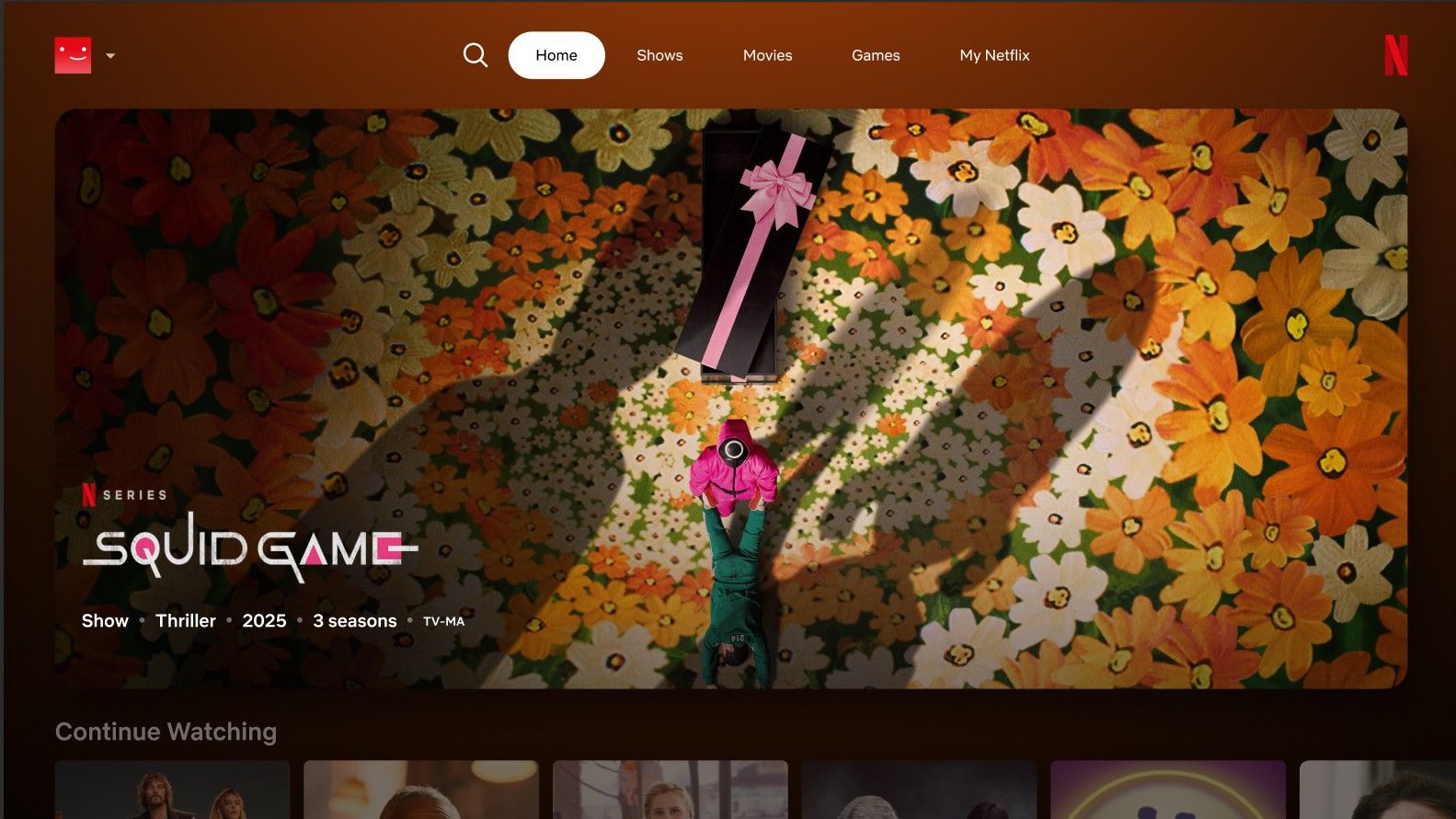
The shift began in earnest in November 2022, when Netflix launched its first ad-supported tier in the UK for £4.99 a month. At the time, the company framed this as a move toward "consumer choice," pitching it as a budget-friendly option for those hit by the cost-of-living crisis. However, the "choice" soon became more coerced than optional. By 2023, Netflix had removed its cheapest ad-free "Basic" plan for new subscribers, effectively forcing users to choose between a low-cost plan with commercials or a significantly more expensive mid-tier plan. The entry price for an ad-free existence jumped overnight.