The transition from a casual hobbyist to a dedicated photographer often hinges on a single, daunting realization: the camera body is merely the foundation of a much larger architectural project. For those entering the world of interchangeable-lens systems, the sheer volume of choices can be paralyzing. Whether a photographer is building their first kit from scratch or an experienced professional is looking to pivot into a new genre, the financial and technical stakes are high. However, the modern secondary market has fundamentally shifted this landscape. By leveraging high-quality used gear, photographers can now access flagship features and professional-grade glass that might otherwise remain out of reach.
Building a photography system is less about chasing the highest specifications and more about aligning technical capabilities with creative intent. The body determines the speed, resolution, and autofocus reliability at a photographer’s disposal, but the lenses ultimately dictate the perspective, the relationship with the subject, and the aesthetic character of the final image. As the industry matures into the mirrorless era, the availability of gear from the last six years on platforms like MPB provides a unique "sweet spot" for buyers—modern features like eye-tracking autofocus and in-body image stabilization are now widely available at a fraction of their original launch prices.
The Foundation: Building an Affordable First Kit
For the beginner, the first purchase is more than just a tool; it is an entry into an ecosystem. Choosing a brand often means committing to a lens mount that will define a photographer’s growth for years to come. While it is possible to switch systems later, the most efficient path involves selecting a mount with a robust roadmap of both entry-level and professional optics.

The APS-C mirrorless market has become the primary staging ground for new talent. These sensors offer a balance of portability and image quality that far exceeds smartphone capabilities while keeping costs manageable. By starting with a used APS-C body, beginners can allocate more of their budget toward lenses—the components that typically hold their value longer and have a more profound impact on the learning process.
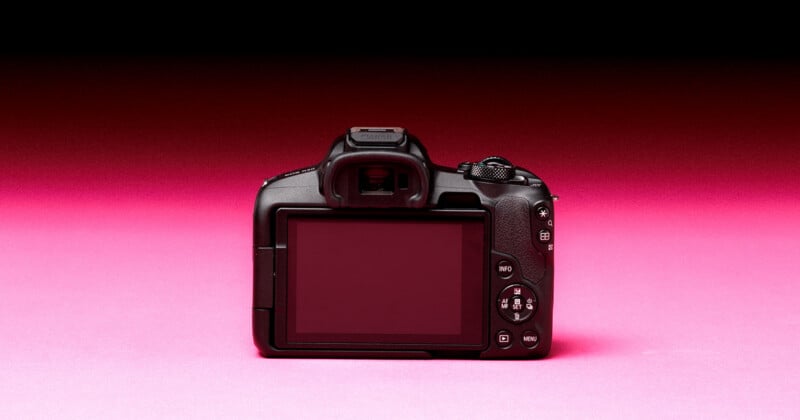
The Canon EOS R50, introduced in 2023, represents the modern entry point. Paired with the RF-S 18-45mm and the RF-S 55-210mm, it provides a comprehensive focal range that allows a novice to experiment with everything from wide-angle landscapes to compressed telephoto sports shots. Similarly, the Sony a6400 remains a powerhouse in the used market. Though it is not the newest in Sony’s lineup, its access to the vast E-mount library makes it a strategic choice. When combined with the versatile E 18-135mm f/3.5-5.6 OSS and the E 70-350mm G OSS, it offers a dual-lens solution that covers almost every conceivable beginner scenario.
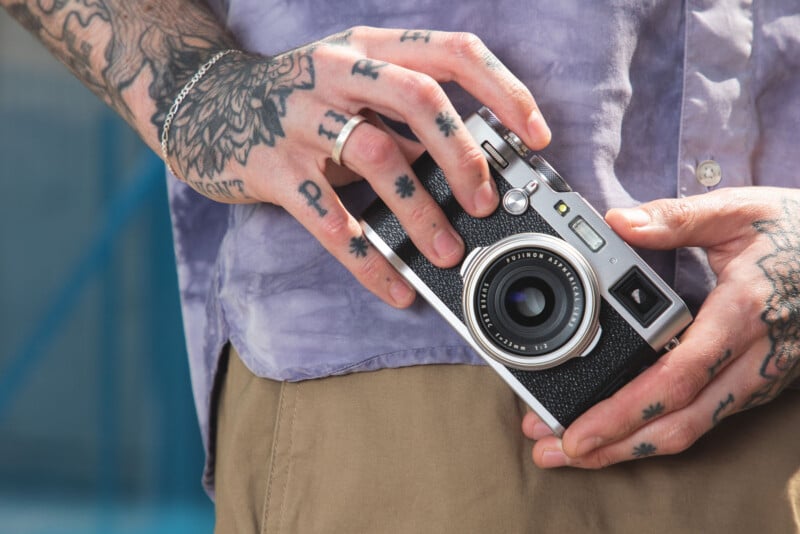
Fujifilm and Nikon offer different paths for the early-stage photographer. The Fujifilm X-S20 is a hybrid marvel, appealing to those who want to balance still photography with high-quality video. Its pairing with the XF 16-50mm and XF 70-300mm lenses provides a professional feel in a compact form factor. Meanwhile, the Nikon Z50 II encourages a more intentional approach. By pairing it with a NIKKOR Z DX 12-28mm for wide-angle work and a 24mm f/1.7 prime, beginners are forced to think more critically about composition and light, a move that often accelerates creative development.
The Technical Frontier: Nature and Wildlife Photography
Wildlife photography is perhaps the most demanding genre in terms of hardware. Success often depends on a system’s ability to track erratic subjects at great distances, often in challenging lighting conditions. In this arena, the lens is the primary driver of success, but the camera body must be fast enough to keep up.
The Canon EOS R5 Mark II is a prime example of high-performance gear that has become more accessible through the used market. Its high resolution allows for significant cropping—a common necessity when a subject won’t stay close. Paired with the RF 100-500mm for versatility and the RF 200-800mm for extreme reach, it creates a formidable kit for birders and wildlife enthusiasts.