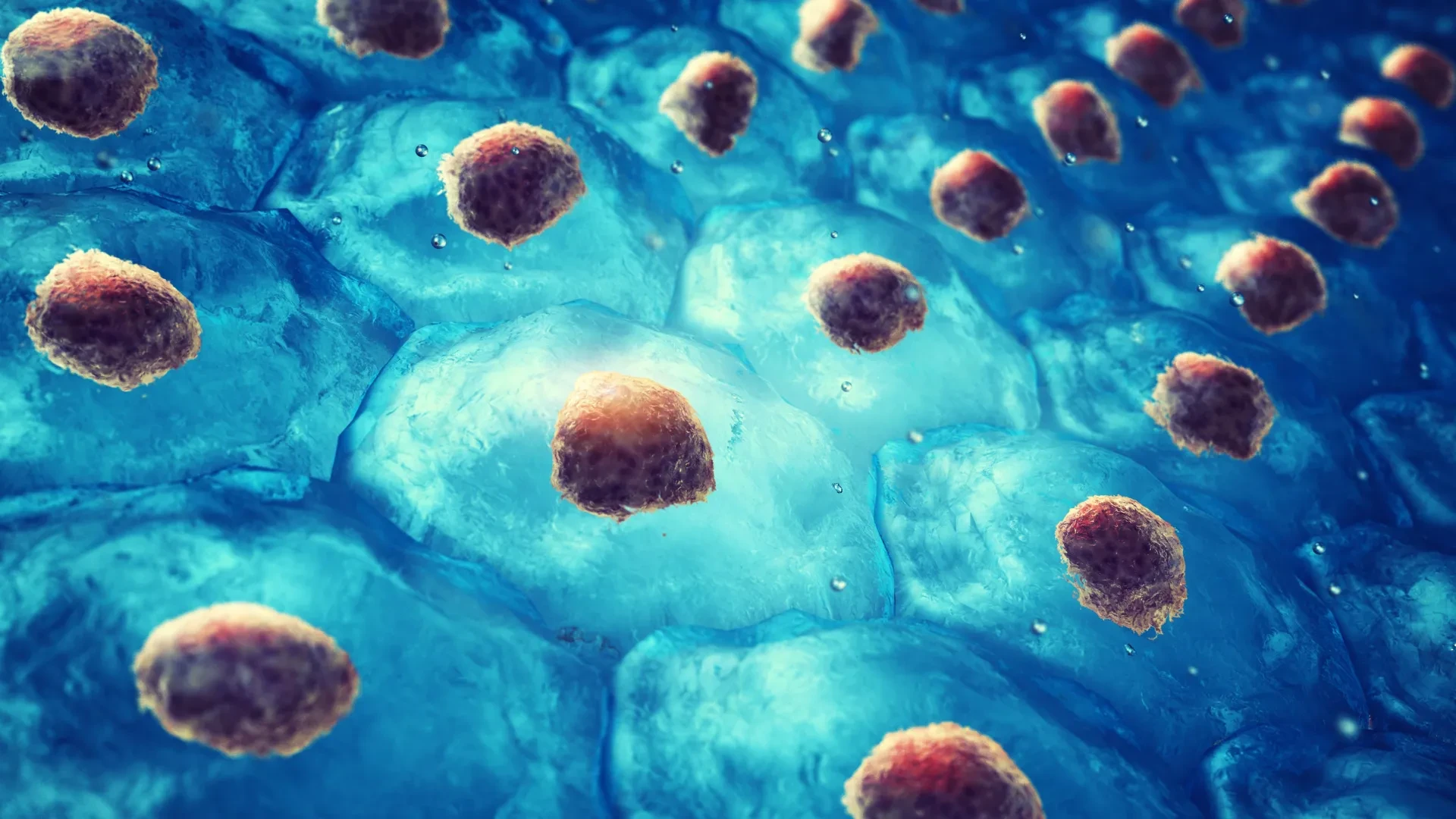
The process of necrosis, a form of cell death once regarded merely as an inevitable and messy end to biological function, may actually represent one of the most significant frontiers in modern medicine. According to a landmark study published in the journal Nature Oncogene, understanding and intervening in the mechanisms of necrosis could offer a transformative path toward altering the course of human aging, treating chronic diseases, and even overcoming the biological hurdles of long-duration space travel.
The research is the result of an extensive international collaboration involving clinicians and scientists from some of the world’s leading institutions, including University College London (UCL), the Cambridge-based biotech firm LinkGevity, and the European Space Agency (ESA). Their findings challenge long-standing views in biology by arguing that necrosis is not just a passive byproduct of injury or disease, but a primary driver of systemic decline that can, in theory, be paused or even stopped.
For decades, the scientific community has focused heavily on "programmed" cell death, known as apoptosis. This is a highly regulated and beneficial process where cells essentially "commit suicide" for the greater good of the organism, allowing tissues to refresh and maintain health without causing collateral damage. Necrosis, by contrast, is "unprogrammed" or accidental cell death. It occurs when cells die unexpectedly due to external stressors such as infection, injury, or severe disease. Because it was seen as an uncontrolled accident, it was often dismissed as an endpoint rather than a process that could be therapeutically managed.
Dr. Keith Siew, a study author from the UCL Centre for Kidney & Bladder Health, suggests that the lack of focus on necrosis may stem from a fundamental human aversion to the topic of mortality. He notes that while people are comfortable discussing health and vitality, the actual physiology of death remains poorly understood. Dr. Siew points out that the transition from cellular death to systemic death is a matter of scale: if enough cells undergo necrosis, tissues fail; if tissues fail, the organism dies. The core of their research asks a provocative question: what would happen to the trajectory of aging and disease if we could intervene at the very moment a cell begins this catastrophic collapse?
The study brings together diverse evidence from cancer biology, regenerative medicine, and nephrology to present necrosis as a "critical point of convergence." Dr. Carina Kern, the lead author of the study and CEO of LinkGevity, describes necrosis as a "last frontier" in medical science. LinkGevity, which operates out of the Babraham Research Campus and participates in the NASA Space-Health program, is at the forefront of identifying common biological threads that link aging with acute disease. Dr. Kern argues that necrosis is a hidden mechanism through which degeneration spreads through the body, making it a prime target for a new generation of medical interventions.
At the molecular heart of this process lies calcium. In a healthy state, calcium is a vital resource that acts as a signaling molecule, effectively telling a cell which functions to activate or deactivate. To maintain this control, the body keeps calcium levels strictly regulated, with concentrations typically 10,000 to 100,000 times higher outside the cell than inside. This massive gradient is essential for cellular life, but it also creates a state of high tension.