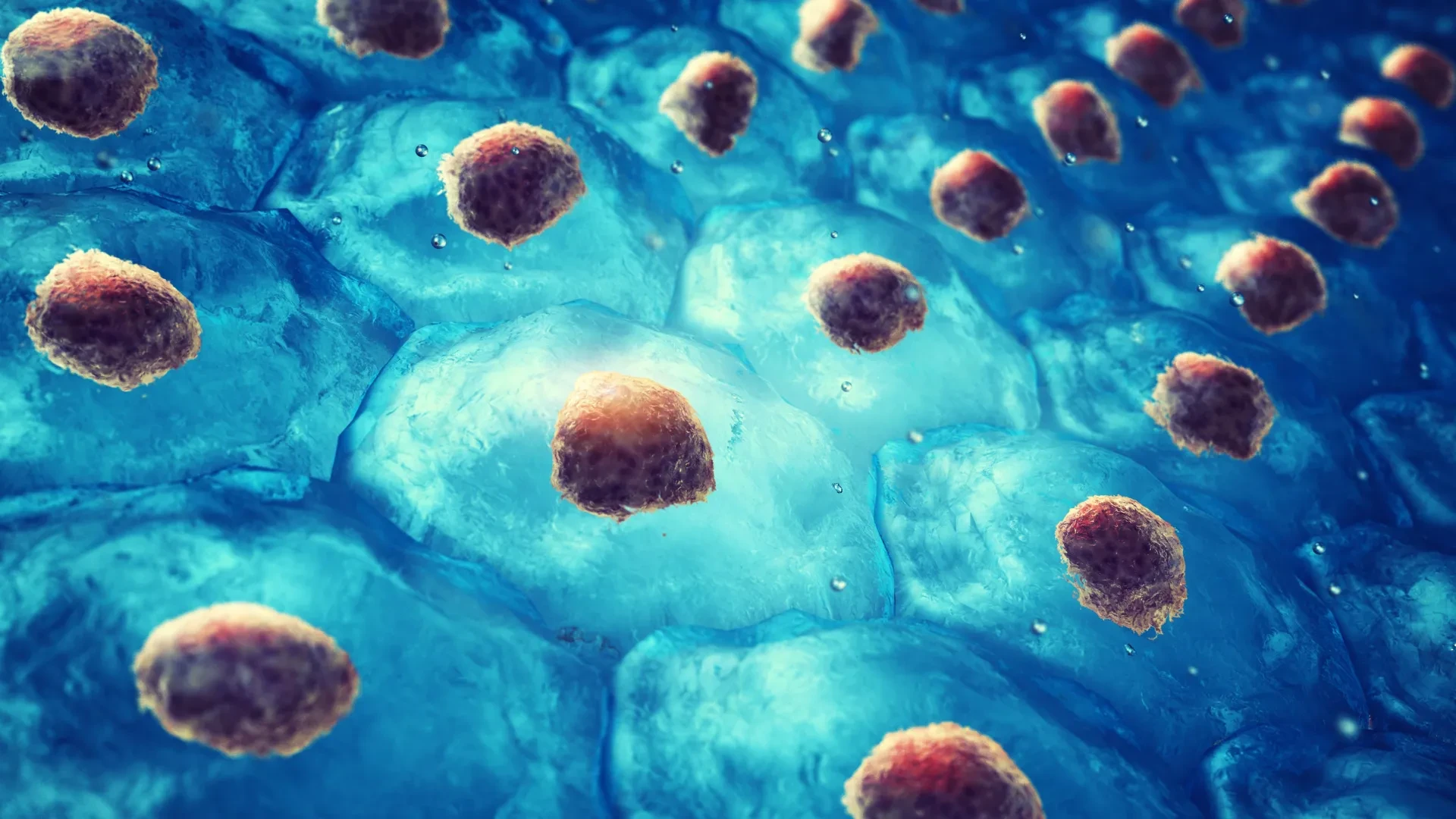
Professor Damian Bailey, an author of the paper from the University of South Wales and Chair of the European Space Agency (ESA) Life Sciences Working Group, emphasizes that targeting necrosis could be the key to pushing the frontiers of exploration. He notes that the same factors causing degeneration on Earth are simply amplified in the harsh environment of space. By solving the problem of necrosis to help astronauts, scientists are simultaneously developing tools to combat the frailty of aging for those on the ground.
The potential for regeneration is the ultimate goal of this line of research. Dr. Kern explains that in many age-related diseases affecting the lungs, liver, brain, and heart, the progression of the illness is fueled by these relentless cascades of cell death. These cascades are often accompanied by impaired healing, leading to permanent scarring (fibrosis) and chronic inflammation. However, the researchers believe that if necrosis can be prevented, even temporarily, these destructive cycles can be shut down at their source.
By stopping the "toxic spill" of necrosis, the body’s normal physiological processes and healthy cell division could be allowed to resume. This would not only stop the spread of damage but could potentially open the door for the body to regenerate damaged tissues—a feat currently considered impossible for many chronic conditions.
The collaborative nature of this research reflects the scale of the challenge. The paper brought together experts from the UCL Division of Medicine, the Mayo Clinic, the Harvard Medical School-affiliated Brigham and Women’s Hospital, the MRC Laboratory of Molecular Biology, and the NASA Space-Health program. By bridging the gap between basic cell biology and the practicalities of space medicine and clinical practice, the team has provided a new framework for understanding why we age and how we might slow that process down.
As medicine moves toward more targeted and preventative strategies, the study suggests that the "physiology of death" may hold the secrets to a longer, healthier life. By viewing necrosis as a manageable biological event rather than an inevitable catastrophe, scientists are beginning to map out a future where the "snowball effect" of aging can be interrupted, offering hope for treating everything from Alzheimer’s and heart disease to the unique challenges of the stars.