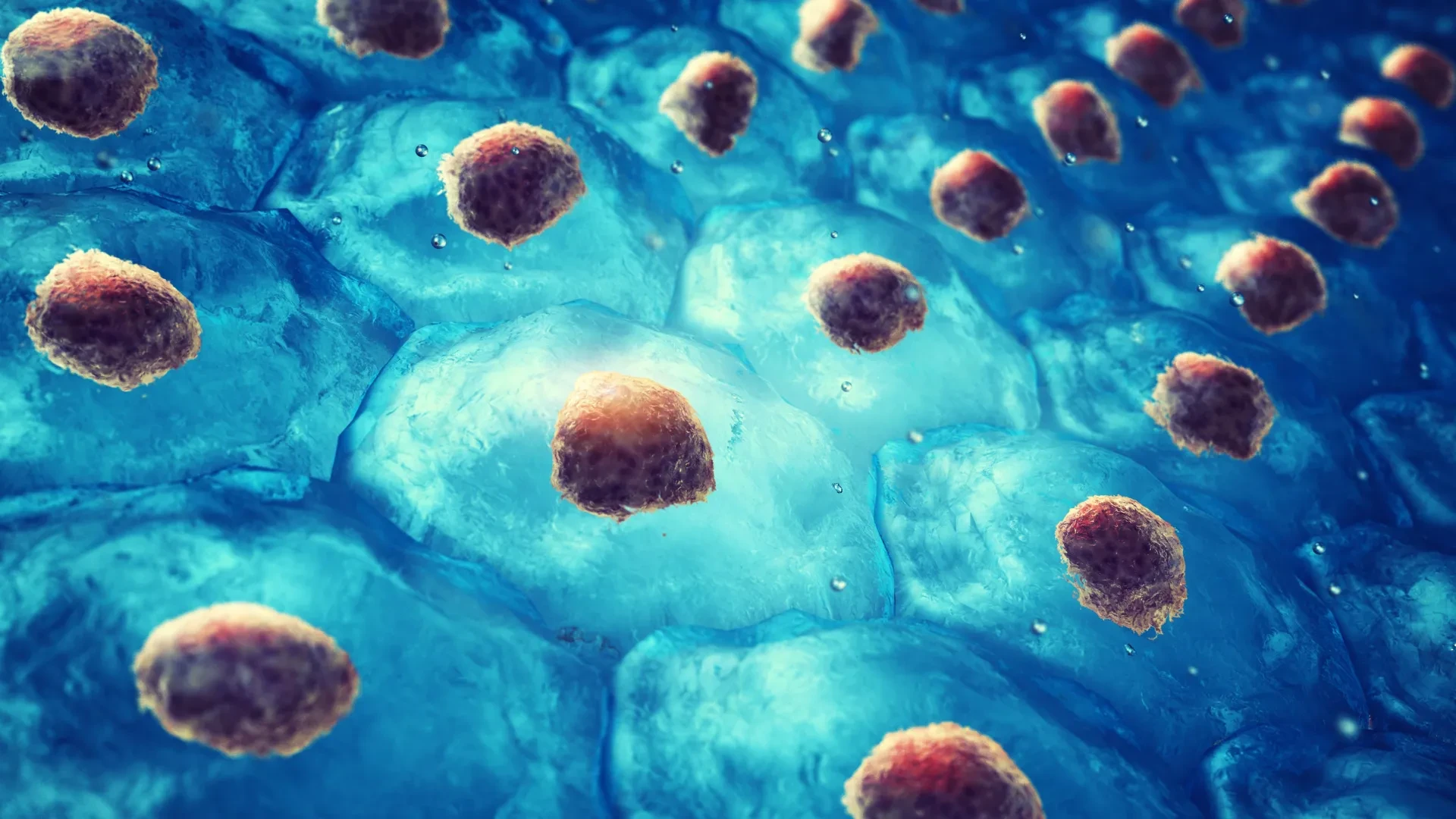
When a cell is subjected to extreme stress—such as a lack of oxygen or a viral assault—this finely tuned balance can fail. When the cell membrane is compromised, calcium floods the interior like an electrical short circuit. This sudden influx pushes the cell into a state of total chaos. Unlike the orderly dismantling seen in programmed death, a necrotic cell essentially ruptures. As it bursts, it spills its internal contents, including toxic molecules and inflammatory signals, into the surrounding environment.
This "toxic spill" is where necrosis shifts from a localized event to a systemic problem. Dr. Siew colorfully describes this by noting that when cells die via necrosis, it is rarely a "peaceful process for the neighbors." The spilled contents trigger a chain reaction, sparking widespread inflammation in the surrounding tissue and hindering the body’s natural repair mechanisms. This creates a snowball effect: one necrotic cell causes stress in its neighbors, which may then undergo necrosis themselves, leading to a cycle of degeneration that eventually manifests as frailty and chronic age-related conditions.
The implications of this cycle are perhaps most visible in the kidneys. The study highlights that necrosis has a devastating and often underappreciated impact on renal health. Nearly half of all individuals develop some degree of kidney disease by the age of 75 as a natural part of the aging process. This decline is often the result of various stressors—oxidative stress, toxins, or inflammation—all of which eventually funnel into the same pathway: necrosis.
In the context of the kidney, necrosis initiates a positive feedback loop that can quickly spiral out of control, leading to total organ failure and the need for dialysis or transplantation. Dr. Siew explains that while it may be impossible to stop every individual stressor that affects the kidneys, intervening at the point of necrosis could effectively halt the progression of the disease regardless of the initial cause. By stopping the "short circuit" before the cell ruptures, clinicians could theoretically preserve organ function and extend the period of healthy life.
Beyond the terrestrial challenges of aging and organ failure, the study’s findings have profound implications for the future of humanity in space. Astronauts living in low-gravity environments and exposed to cosmic radiation experience a form of "accelerated aging." Their bones lose density, their muscles atrophy, and their organs—particularly the kidneys—decline at a much faster rate than they would on Earth.
A 2024 study involving Dr. Siew previously identified the human kidney as the "ultimate bottleneck" for long-duration space missions, such as a crewed journey to Mars. The radiation and microgravity of deep space accelerate the necrotic cascades that lead to kidney dysfunction. If humans are to become a multi-planetary species, finding a way to interrupt this process is essential.